
Inadequate Support for Children with Tourette Syndrome in the United States

Photo by Pexels
Viewpoints published by Ballard Brief are not necessarily endorsed by BYU or The Church of Jesus Christ of Latter-day Saints.

By Matt Reall
Published Fall 2026
Special thanks to Becca Linford for editing and research contributions.
Summary+

Photo from Unsplash
Tourette syndrome is a neurological disorder characterized by involuntary tics and is frequently accompanied by comorbidities like ADHD, anxiety, and sleep disorders.1 Despite children’s complex health care, educational, and social needs, many do not receive adequate support. Limited professional knowledge, difficulties coordinating care for co-occurring conditions, and stigma reinforced by inaccurate media portrayals can delay diagnosis, restrict access to appropriate services, and contribute to misunderstanding at school. As a result of inadequate support, children with Tourette syndrome face profound challenges, including social isolation, bullying, and academic difficulties. The emotional toll is particularly severe, with 33% of children with Tourette syndrome having engaged in self-harmIntentional self-inflicted injury (e.g., cutting, burning) to cope with emotional distress. due to low self-esteem and poor peer acceptance.2 While peer-education initiatives, such as the Tourette Association of America's Youth Ambassador program, show promise in reducing the stigma around Tourette syndrome, their impact is limited by inconsistent school support and unequal access to resources.3 To meaningfully improve outcomes, comprehensive strategies—including earlier diagnosis, teacher training, and anti-bullying policies—must be implemented alongside public awareness campaigns to foster greater understanding and inclusion for children with Tourette syndrome.
Double-click to edit...
Key Takeaways+
- Nearly 1 in 100 people in the US have Tourette syndrome.4
- Approximately 50% of children with Tourette syndrome symptoms go undiagnosed, and diagnosis can take up to six years.5
- Children with Tourette syndrome or chronic tic disordersNeurological conditions characterized by sudden, repetitive, nonrhythmic movements or vocalizations. were approximately four times more likely to die by suicide as members of the general population.6
- Peer educationA process where individuals from a specific community or group share information and experiences with others who have similar social backgrounds or life experiences. It aims to promote positive health outcomes and behavior changes among peers. programs reduce bullying by 30% when implemented effectively.7
Key Terms+
Behavioral disorder—A term that refers to patterns of behavior that are socially disruptive, cause discomfort to others, or significantly impede individual functioning.8
Comprehensive Behavioral Intervention for Tics—A therapeutic approach combining habit reversal training and psychoeducation to manage tic severity.9
Comorbidity—The coexistence of two or more medical conditions in a patient, which may be unrelated or share causal mechanisms.10
Coprolalia—A vocal tic involving involuntary use of obscene or socially inappropriate language, most commonly associated with Tourette syndrome.11
Deep brain stimulation—A surgical treatment in which implanted electrodes deliver electrical impulses to targeted areas of the brain.12
Dopamine dysregulation—A disruption in dopamine signaling that affects movement, motivation, and other neurological functions.13
Individualized Education Program—A specialized plan for US public school students with disabilities, outlining tailored educational supports and services (e.g., speech therapy, accommodations).14
Peer education—A process where individuals from a specific community or group share information and experiences with others who have similar social backgrounds or life experiences. It aims to promote positive health outcomes and behavior changes among peers.15
Self-harm—Intentional self-inflicted injury (e.g., cutting, burning) to cope with emotional distress.16
Tic disorders—Neurological conditions characterized by sudden, repetitive, nonrhythmic movements or vocalizations.17
Tics—Sudden, rapid, involuntary muscle movements (motor tics) or vocalizations (vocal tics). Motor tics may include blinking or head jerking, while vocal tics include throat clearing or shouting.18
Context
Q: What is Tourette syndrome?
A: Tourette syndrome is a neurological disorder characterized by sudden, involuntary movements or sounds known as ticsSudden, rapid, involuntary muscle movements (motor tics) or vocalizations (vocal tics). Motor tics may include blinking or head jerking, while vocal tics include throat clearing or shouting..19 Tic severity ranges from mild to severe, and tics can be disabling in some cases.20 Tourette syndrome is a genetic condition, although other biological factors, such as prenatal complications (e.g., low birth weight or maternal smoking), may contribute to the development of Tourette syndrome.21
Tics are the hallmark symptom of Tourette syndrome.22 Tics are repeated, rapid body movements or vocalizations.23 Tics involving muscular movement are considered motor ticsSudden, rapid, involuntary muscle movements (motor tics) or vocalizations (vocal tics). Motor tics may include blinking or head jerking, while vocal tics include throat clearing or shouting., while those involving sounds are known as vocal tics.24 According to a 2014 study, motor tics are five times more common than vocal tics for children with Tourette syndrome.25 Tics can also be classified as simple or complex. Simple tics are brief, involve few muscle groups, and may include eye blinking, nose twitching, facial grimacing, throat clearing, sniffing, or humming.26 Complex tics are coordinated movements involving multiple muscle groups. Examples of this type of tic are touching other people or things, twirling, jumping, and uttering words or phrases out of context.27 Tics are not synonymous with Tourette syndrome; rather, tics are one of its defining symptoms. An analogous distinction is the difference between having a cough and having pneumonia. Having a cough does not necessarily mean a person has pneumonia, but a cough can be a symptom of pneumonia. Similarly, experiencing tics does not necessarily indicate that an individual has Tourette syndrome, although tics are a hallmark symptom of the disorder.
Like many neurological disorders, Tourette syndrome varies substantially among patients.28 A 2022 Johns Hopkins study found that 97% of patients experienced changes in tic severity over time.29 Tic patterns can change over time through the emergence of new motor or vocal ticsSudden, rapid, involuntary muscle movements (motor tics) or vocalizations (vocal tics). Motor tics may include blinking or head jerking, while vocal tics include throat clearing or shouting..30 Environmental and internal pressures—such as fatigue, anxiety, social stress, and possible social media exposure—can intensify tic severity and undermine effective treatment efforts.31 The variability of symptom severity makes Tourette syndrome a particularly nuanced and challenging condition to categorize, as it requires personalized and adaptable approaches to treatment and management.32
Q: Who is affected by Tourette syndrome?
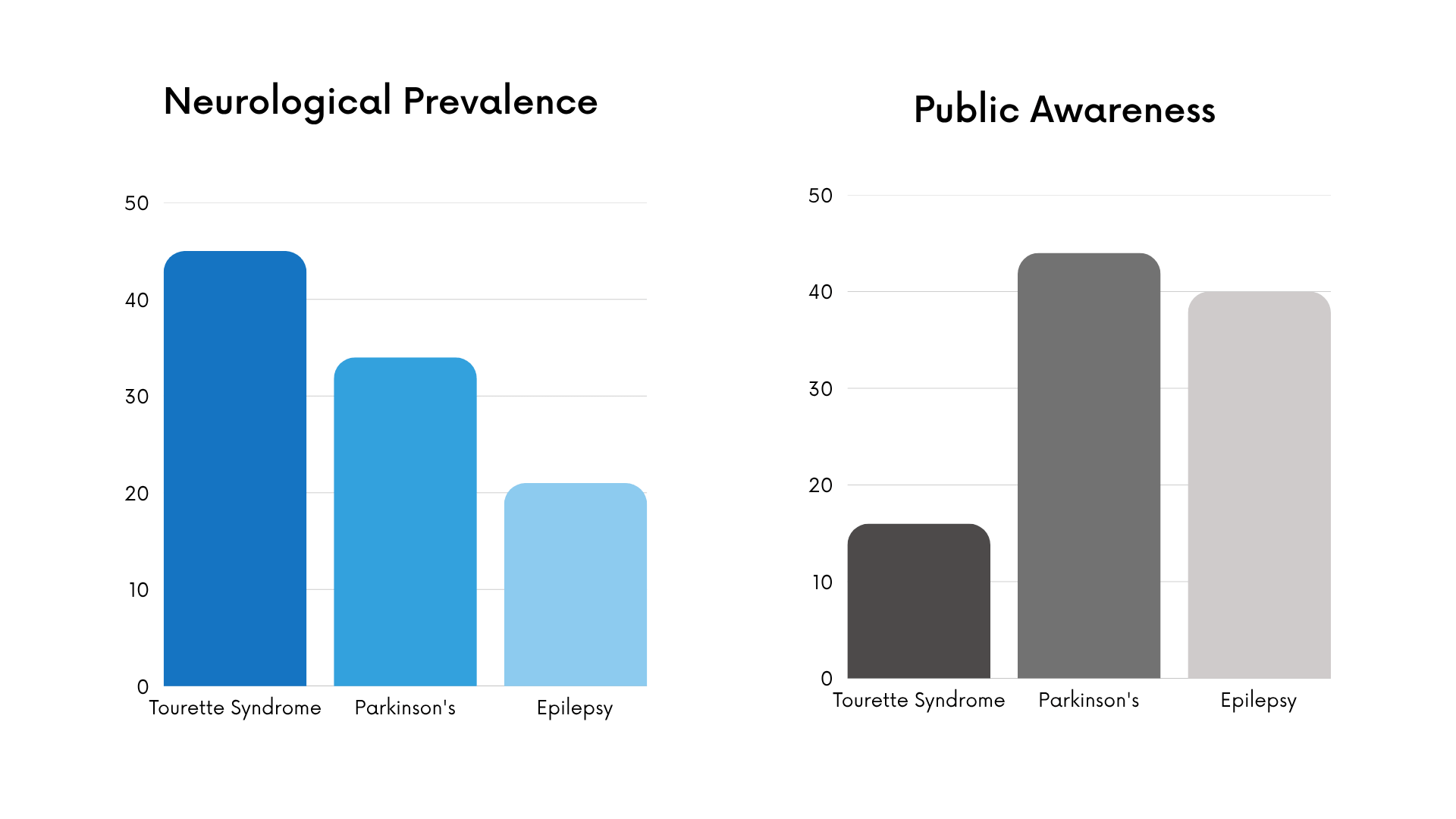
A: According to the American Brain Foundation, Tourette syndrome affects roughly one in every 100 people in the United States, with current research suggesting that 200,000 individuals in America have the most severe type of Tourette syndrome.33 Tourette syndrome affects people of all ages, but typically manifests in early childhood or adolescence.34 While as many as one in five children have ticsSudden, rapid, involuntary muscle movements (motor tics) or vocalizations (vocal tics). Motor tics may include blinking or head jerking, while vocal tics include throat clearing or shouting., a 2016 study indicates that about 0.6% of children ages three to seventeen have a diagnosable case of Tourette syndrome.35 Tourette syndrome symptoms generally peak in childhood and decline with age, with less than 5% of individuals diagnosed in youth continuing to exhibit mild to significant tic severity in adulthood.36
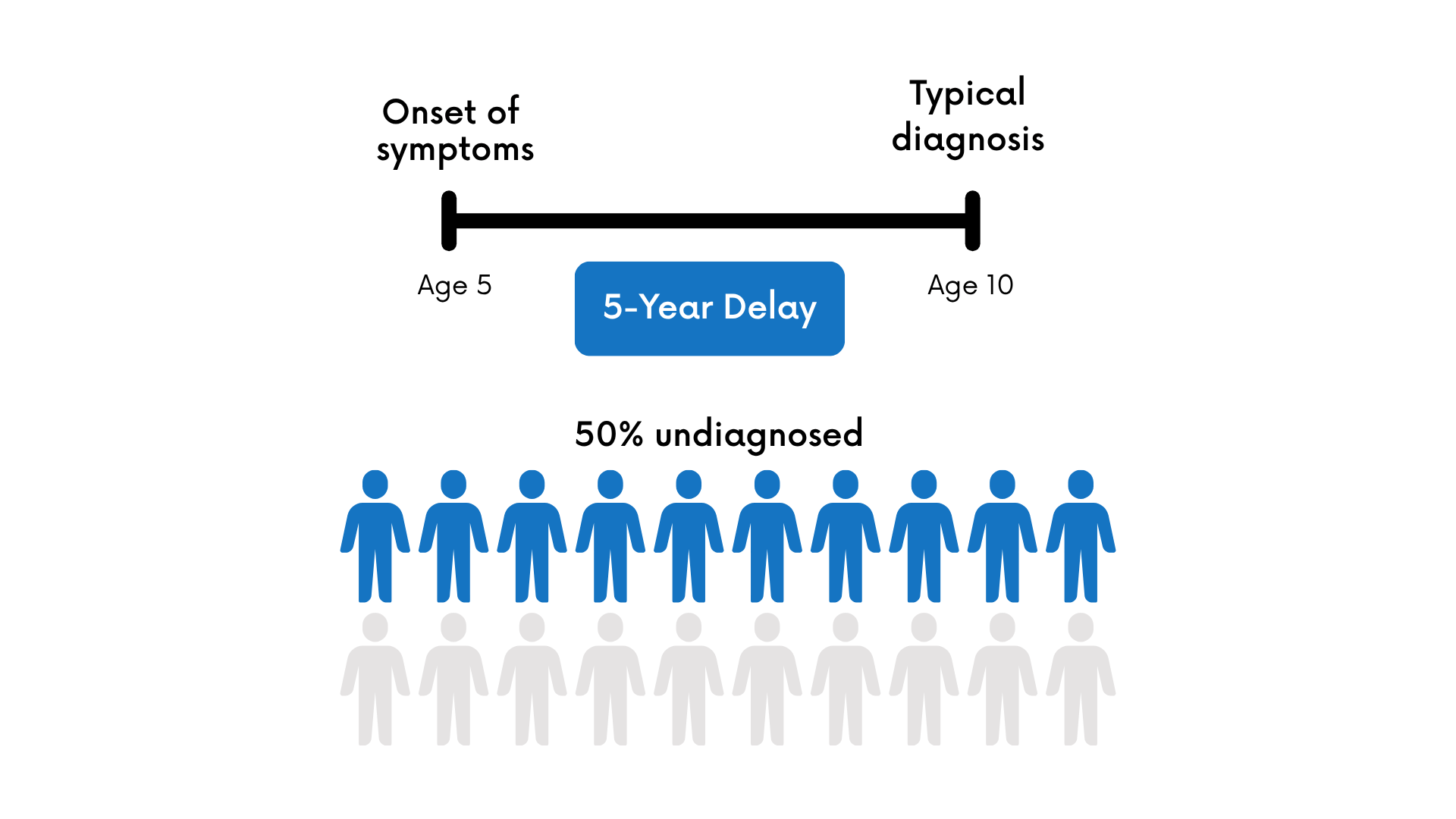
The Tourette Association of America and the US Centers for Disease Control report that, as of July 2025, roughly 50% of school-aged children with Tourette syndrome go undiagnosed.37 The Department of Health and Human Services reports that the most common age range of diagnosis is between four and twelve years, although receiving a proper diagnosis can often be challenging.38 For example, receiving a proper Tourette syndrome diagnosis requires a physician to observe tic behavior, and patients may exhibit certain motor and vocal ticsSudden, rapid, involuntary muscle movements (motor tics) or vocalizations (vocal tics). Motor tics may include blinking or head jerking, while vocal tics include throat clearing or shouting. only in private.39
Research from the Tourette Association of America states that Tourette syndrome affects all ethnic groups equally but is three times more common in males than in females.40 This gender disparity is linked to the increased production of dopamine receptors in boys during puberty. This developmental difference is significant because dopamine regulates movement and behavior, and disruptions in these signaling pathways are associated with the ticsSudden, rapid, involuntary muscle movements (motor tics) or vocalizations (vocal tics). Motor tics may include blinking or head jerking, while vocal tics include throat clearing or shouting. characteristic of Tourette syndrome.41 Girls do not have the same production level of dopamine receptors during puberty, and therefore are less sensitive to dopamine signals. As a result, experiencing tics and other Tourette syndrome symptoms is less likely.42
Q: How has the treatment of Tourette syndrome changed over time?
A: Medical understanding and treatment of Tourette syndrome have changed substantially since the disorder was first described in 1885.43 For example, Tourette syndrome is now understood to be more common and to encompass a broader range of severity than previously believed.44 This change is due to the increasing amount of research conducted on Tourette syndrome, with 80 peer-reviewed papers published in 2011 as compared to 151 papers in 2021.45 Over the last century, researchers have classified Tourette syndrome as both a psychiatric disease (relating to mental illness) and a neurological disease (relating to the nervous system).46 This duality has led to varying treatment methodologies over time, as health care providers have introduced both medicinal and behavioral therapies for children with Tourette syndrome. One major shift in the treatment of Tourette syndrome occurred in 1965, when haloperidol, a medication that blocks dopamine receptors in the brain, was found to alleviate ticsSudden, rapid, involuntary muscle movements (motor tics) or vocalizations (vocal tics). Motor tics may include blinking or head jerking, while vocal tics include throat clearing or shouting. in a young adult patient.47 This landmark discovery shifted the focus from psychoanalytic approaches to pharmacological treatments, such as dopamine-blocking medications, for people with Tourette syndrome.48
Drs. Arthur and Elaine Shapiro pioneered the first treatment plan for people with Tourette syndrome and were instrumental in increasing understanding of the disorder and its previous treatment flaws. Together, the couple founded the Tourette Association of America in 1972, a national organization that supports patients and families, performs research, and raises community awareness for Tourette syndrome.49
Q: How is Tourette syndrome treated?
A: Not all individuals with Tourette syndrome need treatment.50 An article published in the Journal of Psychosomatic Research in 2009 reports that approximately 75% of children with mild Tourette syndrome see a decline in tic severity by adulthood, with 37% becoming tic-free.51 This reduction commonly occurs as part of the disorder’s natural progression. However, no medicinal or behavioral cure exists for Tourette syndrome, making treatment important for the 44% of children with Tourette syndrome who have moderate to severe ticsSudden, rapid, involuntary muscle movements (motor tics) or vocalizations (vocal tics). Motor tics may include blinking or head jerking, while vocal tics include throat clearing or shouting..52 Patients with Tourette syndrome have access to a range of treatment options, such as medication, behavioral therapies like awareness training and competing response techniques, and innovative approaches including deep brain stimulationA surgical treatment in which implanted electrodes deliver electrical impulses to targeted areas of the brain..53 A 2021 study found that deep brain stimulation reduced tic severity by up to 80% in one year, offering potential relief for individuals with severe symptoms that are resistant to traditional therapies.54 Each treatment option has benefits and risks, such as side effects from medications and the invasiveness of surgical procedures, which the patient, the legal guardian (if under 18), and the health care provider must carefully consider.55
The first line of treatment for children with Tourette syndrome is typically a type of behavioral treatment called Comprehensive Behavioral Intervention for TicsA therapeutic approach combining habit reversal training and psychoeducation to manage tic severity. (CBIT).56 One component of CBIT is habit-reversal training, which teaches patients to recognize an impending tic and perform a competing response that is incompatible with the tic.57
Medications that affect dopamine signaling are also used to reduce tic severity.58 These medications, such as haloperidol, pimozide, and aripiprazole, are antipsychotic drugs that affect dopamine signaling and can reduce tic severity.59 While these medications reduce ticsSudden, rapid, involuntary muscle movements (motor tics) or vocalizations (vocal tics). Motor tics may include blinking or head jerking, while vocal tics include throat clearing or shouting. by 60%, the medications are also associated with a range of side effects that may limit their suitability for some individuals.60 In a study conducted by the University of Calgary published in 2010, 73 children with Tourette syndrome who required antipsychotic drug treatment were followed for an average of 39.6 months.61 By the study’s conclusion, participants exhibited side effects such as elevated fat levels, abnormal body mass index percentiles, and, in rare cases, the development of additional neurological disorders such as tardive dyskinesia—a condition characterized by repetitive, involuntary movements, including facial grimaces and other motor symptoms.62
Contributing Factors
Limited knowledge and awareness
Limited knowledge of Tourette syndrome among health care providers can delay diagnosis and prevent children from receiving appropriate treatment, accommodations, and social support.63 In a 2025 study of 1,755 US child-serving health care providers, 31.4% identified insufficient knowledge as a barrier to evaluating, identifying, or diagnosing tic disordersNeurological conditions characterized by sudden, repetitive, nonrhythmic movements or vocalizations..64 Similarly, a 2023 study published in the Journal of Developmental & Behavioral Pediatrics found that 63% of caregivers experienced difficulty finding a health care provider knowledgeable about tic disorders, making limited access to knowledgeable providers the most commonly reported barrier to care.65 Limited provider knowledge can prolong the barriers families encounter while seeking care.66
A 2018 survey conducted by the Tourette Association of America discovered that the majority of children suffering from Tourette syndrome obtained a diagnosis within two years of symptoms becoming apparent; however, some patients did not receive a diagnosis for up to six years.67 As such, the lack of general knowledge about Tourette syndrome not only perpetuates misconceptions, but can leave children without a diagnosis.68 In a 2025 US study, 61.7% of child-serving health care providers answered at least one of four Tourette syndrome knowledge questions incorrectly.69 Without an accurate understanding of diagnostic criteria, providers overlook symptoms, misclassify tic disordersNeurological conditions characterized by sudden, repetitive, nonrhythmic movements or vocalizations., or delay appropriate referrals.70
Knowledge gaps can continue to restrict support after a tic disorder is identified. In the same study, one in five providers reported that they did not know anyone to whom they could refer patients for behavioral therapy for tic disordersNeurological conditions characterized by sudden, repetitive, nonrhythmic movements or vocalizations., and 61.9% of the providers indicated that they knew an appropriate referral option.71 A 2024 systematic review found that families seeking care for ticsSudden, rapid, involuntary muscle movements (motor tics) or vocalizations (vocal tics). Motor tics may include blinking or head jerking, while vocal tics include throat clearing or shouting. consulted three health care providers on average while 13% consulted six or more.72 These findings show that limited professional knowledge affects more than recognition: inadequate knowledge of available treatments and referral pathways can also make evidence-based care more difficult for families to access.
Comorbidities
Tourette syndrome symptoms can create complex health care, behavioral, and educational needs for children with the disorder. This difficulty increases when paired with a comorbidityThe coexistence of two or more medical conditions in a patient, which may be unrelated or share causal mechanisms.—a medical condition that exists alongside a primary diagnosis.73 Because the type and severity of these needs vary among children, effective support requires individualized assistance and coordination among health care providers, mental health professionals, families, and schools.74
Comorbidities are common among children with Tourette syndrome; according to a 2019 study, about 90% of patients with Tourette syndrome have a comorbidityThe coexistence of two or more medical conditions in a patient, which may be unrelated or share causal mechanisms. diagnosis.75 Comorbidities include attention-deficit/hyperactivity disorder (ADHD), obsessive-compulsive disorder (OCD), anxiety, learning disorders, behavioral disordersA term that refers to patterns of behavior that are socially disruptive, cause discomfort to others, or significantly impede individual functioning., and sleep disorders.76 Roughly 60% of children with Tourette syndrome have ADHD, 40% have OCD, 25% have major depressive disorder, and 18% have anxiety.77 A 2014 study published in the journal Pediatric Neurology reported that 64% of patients with Tourette syndrome had a sleep disorder.78 A separate 2022 study found that children with Tourette syndrome were ten times more likely to wake at night than the average child, two times more likely to experience sleep anxiety, four times more likely to have trouble falling asleep, and nearly three times more likely to resist bedtime.79 Behavioral conditions are also common among children with Tourette syndrome. Nearly 30% of children with Tourette syndrome have a mood disorder, which can include eating or substance abuse disorders.80 The US Centers for Disease Control corroborates this statistic, reporting that 34% of children with Tourette syndrome have behavioral problems, such as oppositional defiant disorder or conduct disorder.81 Living with more than one condition leads to complicated clinical management and can exacerbate the symptoms of Tourette syndrome.82
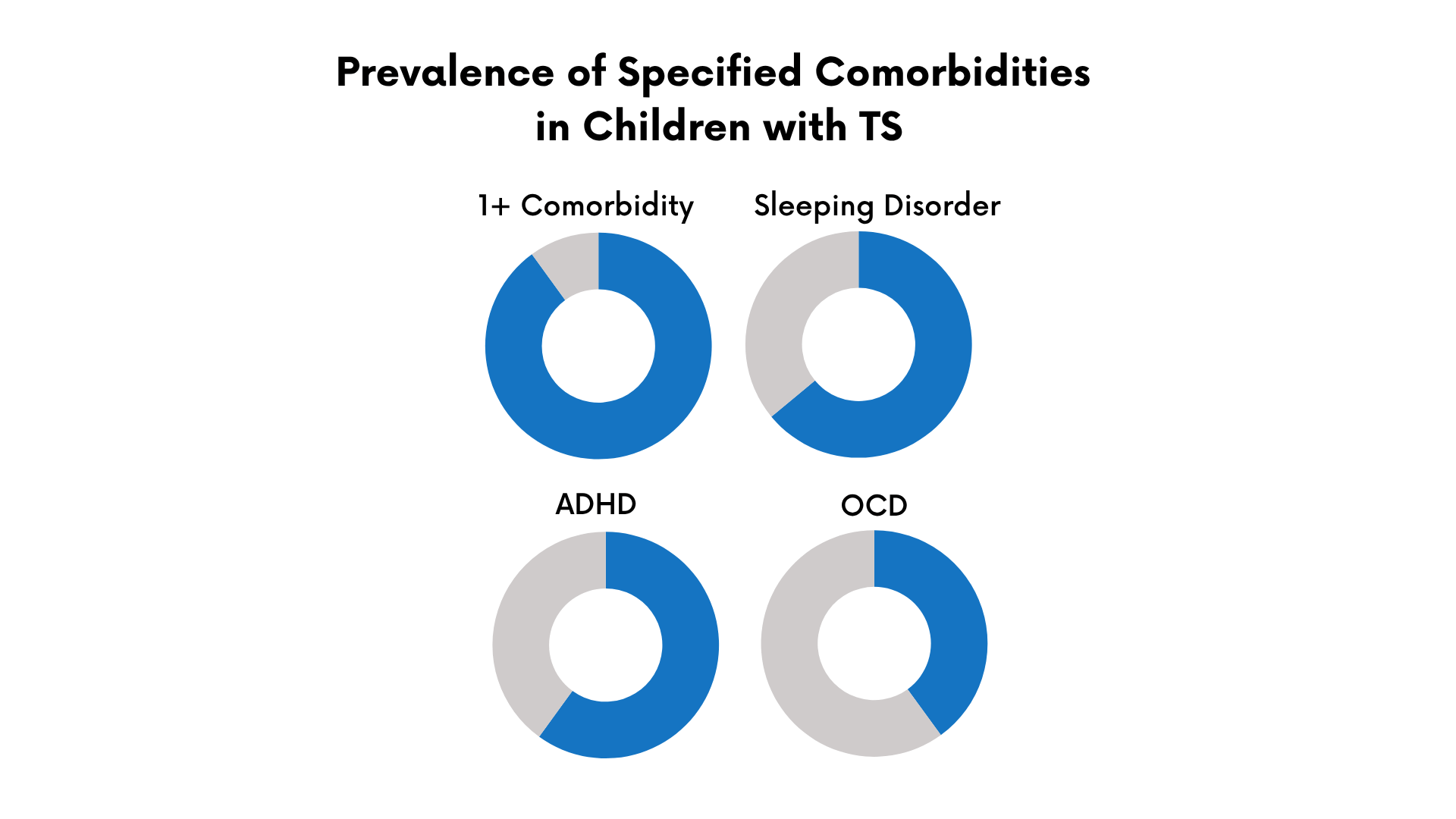

Photo from Unsplash
These conditions create needs that extend beyond tic management, requiring professionals to distinguish among ticsSudden, rapid, involuntary muscle movements (motor tics) or vocalizations (vocal tics). Motor tics may include blinking or head jerking, while vocal tics include throat clearing or shouting., attention difficulties, compulsions, anxiety, behavioral symptoms, and learning needs. Support focused primarily on visible tics may therefore overlook other conditions affecting a child’s daily functioning. Children with Tourette syndrome do not consistently receive treatment or assistance coordinating their care.83
Overlapping symptoms of Tourette syndrome and common co-occurring conditions can also complicate diagnosis and delay access to treatment and support. Symptoms of common comorbid disorders, like ADHD and OCD, tend to have an earlier onset of symptoms than Tourette syndrome symptoms, with the median age of onset being 3 years and 5.5 years, respectively.84 Because ADHD and OCD symptoms may appear before recognizable ticsSudden, rapid, involuntary muscle movements (motor tics) or vocalizations (vocal tics). Motor tics may include blinking or head jerking, while vocal tics include throat clearing or shouting., early Tourette syndrome symptoms are often overlooked or attributed to another condition. One study found that the median time from first symptom to Tourette syndrome diagnosis was 5.3 years.85 This delay in diagnosis postpones access to Tourette syndrome-specific treatment, information, referrals, and school accommodations.
National data reveal substantial gaps between the complex needs of children with Tourette syndrome and the support families receive. Although 87% of US children with Tourette syndrome had at least one co-occurring neurobehavioral condition, approximately half received treatment or counseling from a mental health professional during the previous year.86 The gap was even more pronounced among children who needed care coordination: 37% of children with Tourette syndrome received sufficient help managing care across providers, compared with 66% of children without Tourette syndrome.87 In other words, children with Tourette syndrome were almost half as likely to receive effective care coordination despite frequently having needs involving multiple conditions and professionals.88
Coordination among several cross-disciplinary professionals is not only logistically difficult, but causes financial strain for families seeking treatment for Tourette syndrome. A 2022 analysis compared medical expenditures for children with different mental disorders and children with the same disorders alongside Tourette syndrome. Children with ADHD spent an average of $4,548 per year on medical expenses, but children with ADHD and comorbid Tourette syndrome spent an average of $5,711, a difference of $1,163 a year.89 Similarly, a 2023 survey found that 56% of families with a child with both ADHD and Tourette syndrome faced financial and occupational difficulties due to their child’s disorder, compared with 35% of families affected by Tourette syndrome alone and 42% of families affected by ADHD alone.90 Families reported forgoing treatment, downsizing their homes, or changing jobs because of these financial demands.91 A 2026 impact report by the Tourette Association of America revealed that 28% of parents or guardians of children with Tourette Syndrome struggled to pay for the counseling, tutoring, and appointments their child needed to succeed.92 These costs can prevent families from obtaining or continuing the range of services needed to address Tourette syndrome and its co-occurring conditions.
Inaccurate Media Portrayals
Inaccurate media portrayals reinforce misconceptions about Tourette syndrome, which can shape how health care providers, educators, and peers respond to affected children.93 One of the most pervasive misconceptions perpetuated by popular media is that all children with Tourette syndrome have coprolalia—ticsSudden, rapid, involuntary muscle movements (motor tics) or vocalizations (vocal tics). Motor tics may include blinking or head jerking, while vocal tics include throat clearing or shouting. that involve using profanity uncontrollably.94 As an example of this misconception, in a 1997 episode of South Park, Eric Cartman pretends to have Tourette syndrome to avoid punishment for cursing whenever he wants.95 A peer-reviewed study reviewing 37 fictional television and film portrayals found that of the programs that had a character with or imitating Tourette syndrome, 73% displayed the characteristics of coprolalia.96 These displays of coprolalia exaggerate the condition, as coprolalia affects 16.9% of children with Tourette syndrome.97 Similarly, a 2022 review studying the relationship between social media and Tourette syndrome shared that characters with Tourette syndrome are frequently used for comedic effect, often by exaggerating swearing tics or inappropriate outbursts.98 Such portrayals reinforce the misconception that Tourette syndrome primarily involves uncontrollable profanity.
The overrepresentation of coprolalia can affect whether Tourette syndrome symptoms are accurately recognized and validated. In a 2022 survey of medical students and primary care physicians in Riyadh, 52.8% correctly recognized that coprolalia occurs in a minority of Tourette syndrome cases.99 When symptoms or ticsSudden, rapid, involuntary muscle movements (motor tics) or vocalizations (vocal tics). Motor tics may include blinking or head jerking, while vocal tics include throat clearing or shouting. of children do not involve profanity, parents are told by health care professionals that their child will grow out of these behaviors, delaying getting the specialized help the individual needs.100 Some individuals with Tourette syndrome avoid seeking support from health care professionals due to fear that without coprolalia symptoms, their other tics will be invalidated and ignored.101 A 2025 systematic review found that children and adolescents without coprolalia reported that other people sometimes questioned their Tourette syndrome diagnosis because their tics did not involve swearing. In another study included in the review, 11 parents explained that media misconceptions prevented others from recognizing the full range of Tourette syndrome symptoms and made their children’s diagnoses more difficult to accept.102 Because media portrayals have caused many to believe that coprolalia is the main symptom of the condition, the emotional and physical strain caused by Tourette syndrome is often overlooked, making individuals feel discouraged with their health care experiences.103 These findings indicate that children whose symptoms do not match popular portrayals may have their diagnoses questioned or feel misunderstood.

Photo from Unsplash
This inaccurate media portrayal of Tourette syndrome extends beyond the 1997 South Park episode and is not limited to coprolalia. In the same study of 37 television episodes, shorts, television movies, and feature-length films, children depicted with Tourette syndrome were generally portrayed as unpopular and as struggling to find love.104 Additionally, 43% of portrayals depicted Tourette syndrome as negatively affecting interpersonal relationships, 35% depicted negative school experiences, and 22% depicted negative family dynamics.105 None of the reviewed films portrayed positive school experiences for children with Tourette syndrome.106 Similarly, research has found that Tourette syndrome is often portrayed as being far more violent than it is and that ticsSudden, rapid, involuntary muscle movements (motor tics) or vocalizations (vocal tics). Motor tics may include blinking or head jerking, while vocal tics include throat clearing or shouting. are shown being context-specific.107 In reality, tics are involuntary, vary among individuals, and can change in type or severity over time.108 When the media repeatedly reinforces the idea that children with Tourette syndrome are socially undesirable, attention-seeking, destructive, or destined for negative experiences, it can discourage them from embracing their identity and seeking supportive communities.109
Consequences
Social Isolation
Inadequate peer support and understanding can leave children with Tourette syndrome socially isolated. One study found that 81% of individuals experienced some kind of social difficulty related to having ticsSudden, rapid, involuntary muscle movements (motor tics) or vocalizations (vocal tics). Motor tics may include blinking or head jerking, while vocal tics include throat clearing or shouting..110 A study of children in Florida with Tourette syndrome found 26% of children with tic disordersNeurological conditions characterized by sudden, repetitive, nonrhythmic movements or vocalizations. reported significant loneliness compared with 10% of children without Tourette syndrome.111 According to a longitudinal study, children who reported higher levels of loneliness at age seven were 32% more likely to show depressive symptoms than children with lower levels of loneliness. By age 15, this risk increased substantially, with adolescents experiencing high loneliness being 105% more likely to exhibit depressive symptoms.112 Although the longitudinal study was not specific to Tourette syndrome, the findings illustrate the broader mental health risks associated with persistent childhood loneliness.
Inadequate peer support and understanding can leave children with Tourette syndrome socially isolated. One study found that 81% of individuals experienced some kind of social difficulty related to having tics.110 A study of children in Florida with Tourette syndrome found 26% of children with tic disordersNeurological conditions characterized by sudden, repetitive, nonrhythmic movements or vocalizations. reported significant loneliness compared with 10% of children without Tourette syndrome.111 According to a longitudinal study, children who reported higher levels of loneliness at age seven were 32% more likely to show depressive symptoms than children with lower levels of loneliness. By age 15, this risk increased substantially, with adolescents experiencing high loneliness being 105% more likely to exhibit depressive symptoms.112 Although the longitudinal study was not specific to Tourette syndrome, the findings illustrate the broader mental health risks associated with persistent childhood loneliness.
Social isolation can also make it difficult for adolescents with Tourette syndrome to form new relationships.113 In interviews with adolescents with Tourette syndrome aged 14–16, one common theme was that, despite having a few supportive friendships, meeting new people and expanding their social circles were continuing challenges.114 Another study of adolescents with Tourette syndrome produced similar results. These children believed their ticsSudden, rapid, involuntary muscle movements (motor tics) or vocalizations (vocal tics). Motor tics may include blinking or head jerking, while vocal tics include throat clearing or shouting. were socially unacceptable to their peers, contributing to feelings of loneliness and social isolation.115 Although quantitative data on the extent to which Tourette syndrome contributes to feelings of isolation among children are limited, numerous qualitative studies suggest that children with Tourette syndrome often fear rejection, leading them to self-isolate and experience poorer quality of life and adverse mental health outcomes.116
Adolescents with Tourette syndrome frequently face social stigma and discrimination due to visible tics or involuntary noises—behaviors often misinterpreted as intentional or odd.117 Research conducted by the Baylor College of Medicine found that around 50% of children feel as though they have been stigmatized because they have Tourette syndrome.118 Approximately 50% of children with Tourette syndrome experience impaired social function, and these children often feel like they are not socially accepted.119 In addition to this impaired social function, a 2016 study found that 27% of participants with Tourette syndrome had difficulties making friends, and an additional 20% experienced extreme discomfort in their social life.120 Visible ticsSudden, rapid, involuntary muscle movements (motor tics) or vocalizations (vocal tics). Motor tics may include blinking or head jerking, while vocal tics include throat clearing or shouting. often draw unwanted attention and contribute to feelings of social exclusion.121 These problems can continue into adulthood; the University of Oxford found that over 75% of patients with Tourette syndrome reported experiencing discrimination in education, and 54% reported discriminatory actions against them in the workplace.122
Academic Difficulties
Without appropriate accommodations and informed assistance, Tourette syndrome symptoms and co-occurring conditions can interfere with children’s academic performance.123 Children with Tourette syndrome experience lower completion rates throughout all ages of schooling.124 For example, a long-term 2022 study of 276 participants found that 80% of children with Tourette syndrome passed lower secondary school, compared with 98% of children without Tourette syndrome. Similarly, 65% of children with Tourette syndrome passed high school, compared with 74% of children without Tourette syndrome.125 Many students struggle with their academic performance due to difficulty concentrating, additional learning disorders, and lower self-esteem. Several factors contribute to reduced academic performance, including attention disruptions caused by involuntary tics, comorbid learning disorders that affect task completion and output, and cognitive overload resulting from efforts to suppress tics rather than focus on instruction.126
Students with Tourette syndrome often struggle with focus due to involuntary ticsSudden, rapid, involuntary muscle movements (motor tics) or vocalizations (vocal tics). Motor tics may include blinking or head jerking, while vocal tics include throat clearing or shouting. and competing sensory or cognitive demands.127 Difficulty sustaining attention limits children’s ability to engage with lessons, complete homework, and retain information over time. Without targeted support, these challenges can directly impact academic performance. A nationally representative study of children with Tourette syndrome reported that 90% of children with the disorder had an Individualized Education Plan, indicating that the school believed each child with Tourette syndrome needed extra assistance with their learning.128 As an 11-year-old shared in a 2016 interview when asked about how his Tourette syndrome affects his ability to focus, “the tics sort of put me off…and I can’t look at the board for long, ‘cause I keep getting a tic and I can’t look at it.”129 A 13-year-old in the same interview expressed frustration with having to suppress his tics instead of focusing on the lesson and task at hand.130 These accounts illustrate how tics and tic suppression can compete with classroom demands and make concentration more difficult.131
Learning disorders are another common factor behind the academic struggles of children with Tourette syndrome.132 A 2025 study concluded that 28% of children with Tourette syndrome have a learning disorder, compared with 7.5% of children without Tourette syndrome who deal with learning and thinking disorders.133 These learning disorders lead to mistakes, reduced output, difficulty completing homework, and underperformance on testing.134 Learning disorders, attention difficulties, and competing demands on attention create substantial barriers to academic success.
Poor Self-Esteem and Self-Harm
Bullying, exclusion, and repeated misunderstanding can damage the self-esteem and psychological well-being of children with Tourette syndrome. Children with Tourette syndrome often have lower self-esteem than children without the disorder.135 Low self-esteem can have serious impacts on various aspects of an individual’s life, including the development of mental health disorders.136 A 2014 study found that children with Tourette syndrome are 6.5 times more likely to have lower self-esteem than adolescents without Tourette syndrome.137 Low self-esteem among children with Tourette syndrome is frequently linked to feelings of social exclusion or a lack of belonging in school and community environments, in addition to factors such as poor academic performance, bullying, stressful life events, and chronic medical conditions.138
Research highlights the significant impact of Tourette syndrome on self-esteem, with studies revealing stark disparities between affected children and their peers. Researchers found that 65% of children with Tourette syndrome have a moderate or low self-esteem level.139 In contrast, 26% of the control group, those without Tourrette Syndrome, reported moderate self-esteem, and no children categorized their self-esteem as ‘low’.140 This increased impact of children’s negative self-perception is particularly concerning, as a child’s view of themselves is linked to emotional and cognitive development, along with future behavior patterns.141 A 2010 study conducted by Dartmouth Medical School found a strong association between low self-esteem and rebellious behavior, sensation seeking, and decreased school performance.142
Low self-esteem among children with Tourette syndrome is also associated with poorer mental health outcomes.143 In a 2022 report, the Tourette Association of America stated that 70% of children experienced bullying directly because they have Tourette syndrome.144 Consistent bullying is known to cause a variety of negative consequences, including decreased self-esteem and self-harmIntentional self-inflicted injury (e.g., cutting, burning) to cope with emotional distress..145 The challenges faced by children with Tourette syndrome are often overlooked, as the focus tends to be on their visible symptoms rather than the emotional and psychological toll of living with a condition that is frequently misunderstood or stigmatized.
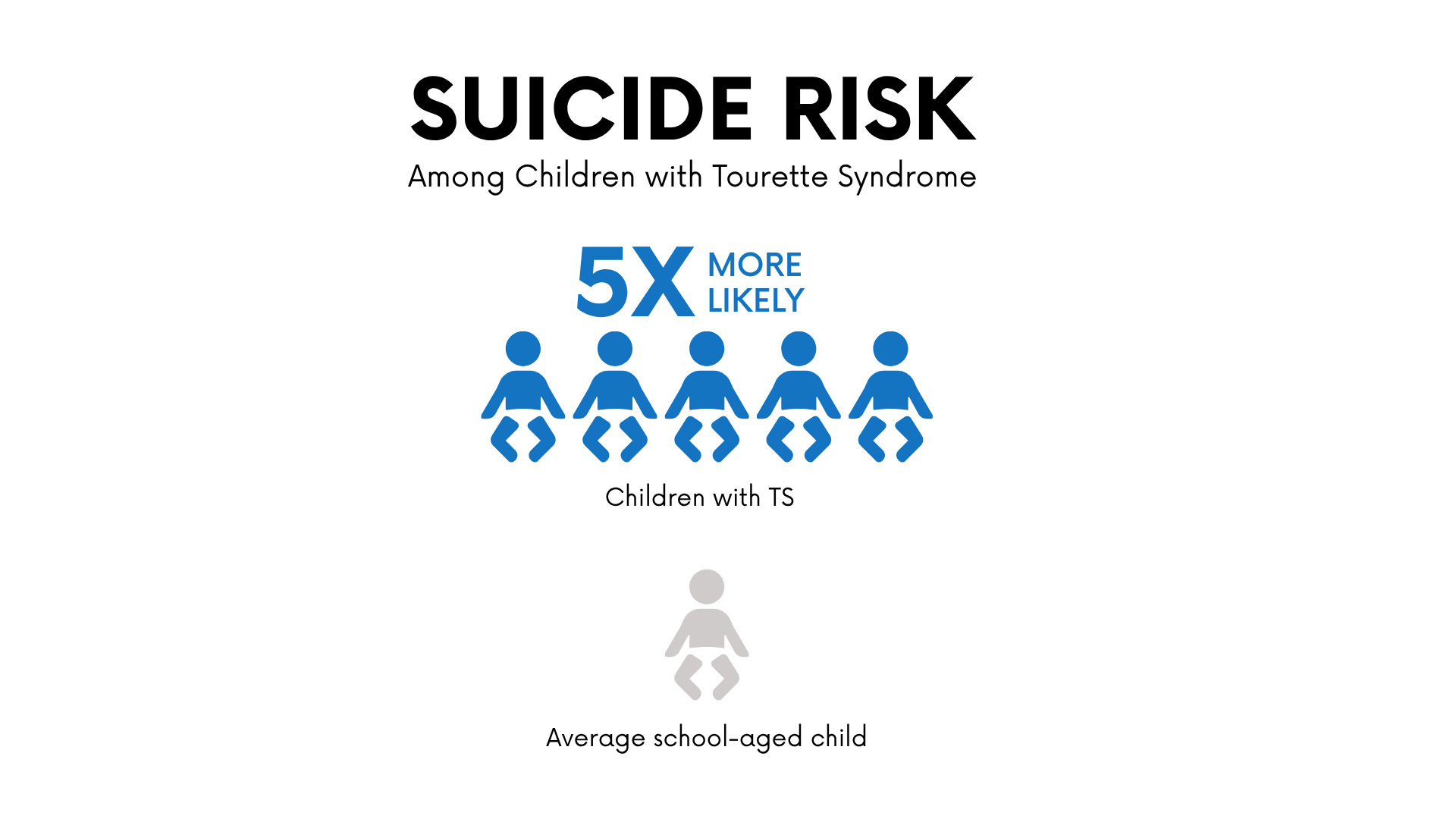
Children with Tourette syndrome also experience elevated rates of suicidal ideation and self-harm.146 In 2022, the Tourette Association of America released an ‘Impact Survey’ based on responses from nearly 1,200 individuals with Tourette syndrome or their guardians. Among the findings, 23% of children with the disorder reported having experienced suicidal ideation in their lifetime.147 This rate of suicidal ideation is significantly higher than the average among children and youth, which stands at 14%.148 Low self-esteem in children with Tourette syndrome is associated not only with mental and emotional challenges but also with physical self-harmIntentional self-inflicted injury (e.g., cutting, burning) to cope with emotional distress., representing an area of concern. In the above-mentioned 2022 Impact Survey by the Tourettes Association of America, 33% of children with Tourette syndrome reported their participation in self-harm behaviors.149 As with suicidal ideation, the prevalence of self-harm is higher among children with Tourette syndrome than among their peers without Tourette syndrome, for whom rates range from 8% to 17%.150 Self-harm is associated with an increased risk of suicidal thoughts and behavior. A 2017 study of nearly 8,000 patients with tic disordersNeurological conditions characterized by sudden, repetitive, nonrhythmic movements or vocalizations. found that people with Tourette syndrome or other chronic tic disorders are four times more likely to die by suicide than the general population.151 These findings indicate that inadequate emotional support may have consequences extending beyond children’s immediate social experiences, including lower self-esteem, self-harm, and suicidal ideation.
Practices
Peer-Education
Peer educationA process where individuals from a specific community or group share information and experiences with others who have similar social backgrounds or life experiences. It aims to promote positive health outcomes and behavior changes among peers. can reduce misconceptions that contribute to stigma, bullying, and social exclusion among children with Tourette syndrome.152 One of the most effective methods for increasing awareness, and thereby reducing stigma and bullying of children with Tourette syndrome, is peer-led education, where presentations are delivered by individuals with lived experience.153 The Tourette Association of America offers these types of advocacy resources, such as its Youth Ambassador Program, which trains young people with Tourette syndrome (or those with close ties to the disorder) to share their stories in schools, camps, and community events around the nation.154
Impact
A 2020 study published in the Journal of School Health shows the impact of increased peer awareness. This study found that anti-bullying curriculum helped to decrease verbal and physical violence in the long term by nearly 30%.155 Although the study did not examine Tourette syndrome-specific education, its findings demonstrate the broader potential of school-based education to reduce bullying. In a 2007 study of elementary school children in the Washington, DC area, 179 children from six schools received a presentation on Tourette syndrome. The children were then tested to see their knowledge of Tourette syndrome, attitude towards children with disabilities, and behavior around children with Tourette syndrome. In all three categories, the children given the presentation on Tourette syndrome presented more favorable views and actions towards children with Tourette syndrome than children with no exposure to Tourette syndrome education.156 Research consistently illustrates that an increased understanding of others' experiences reduces insensitive behavior among youth—a pattern that holds true both in general adolescent studies and specifically in Tourette syndrome awareness initiatives.157
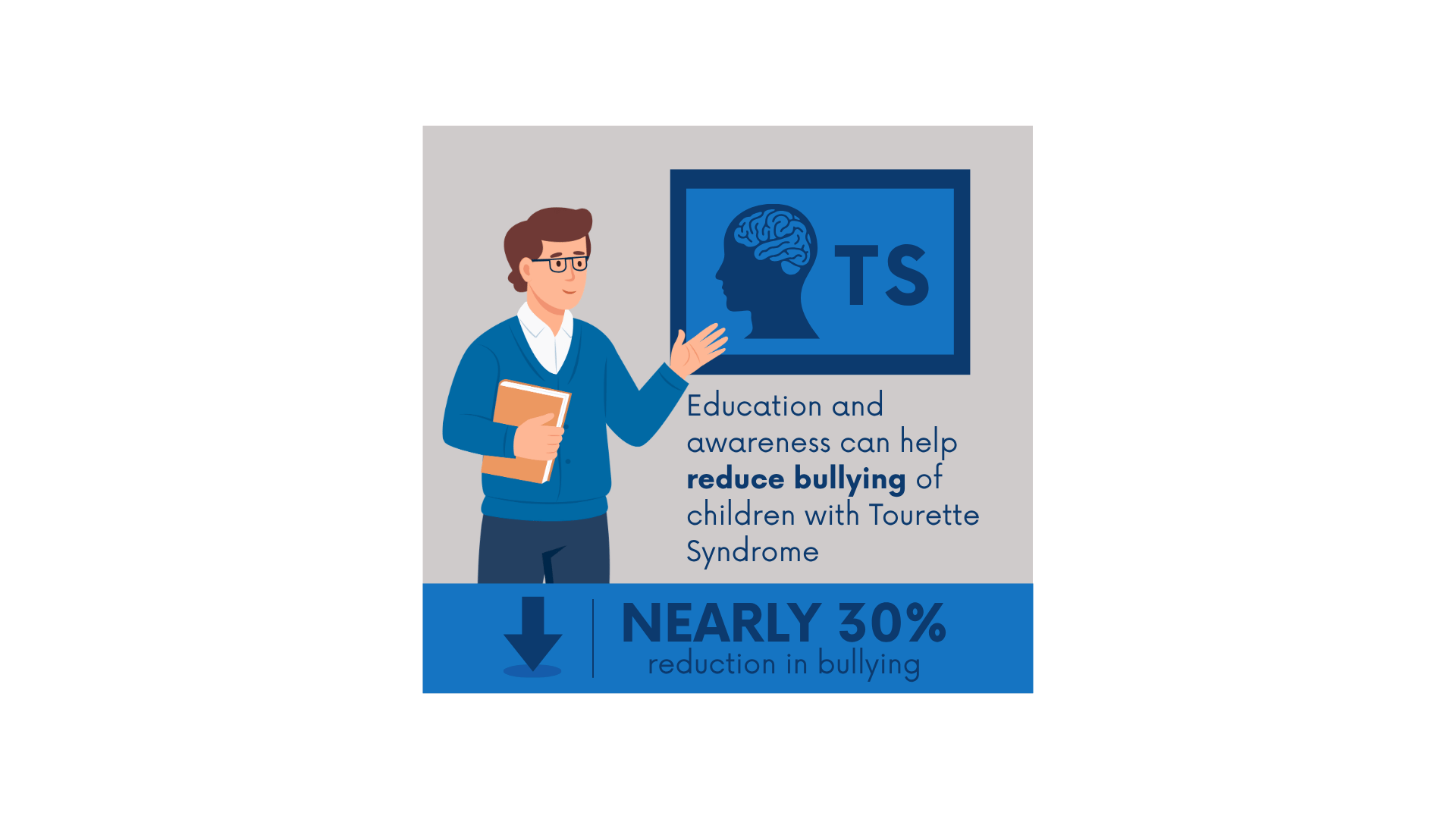
Peer educationA process where individuals from a specific community or group share information and experiences with others who have similar social backgrounds or life experiences. It aims to promote positive health outcomes and behavior changes among peers. also provides children with Tourette syndrome relief and an improved perception of themselves.158 Dr. Helen Walisever, a clinical psychologist and recipient of the 2012 Distinguished Educator Award from the National Tourette Syndrome Association, shares that these presentations often help children with Tourette syndrome to feel less self-conscious, more confident around their peers, and have reduced social anxiety.159
Gaps
Despite the social benefits of peer-education programs for children with Tourette syndrome, several limitations hinder their widespread effectiveness. First, the Tourette Association of America lacks public data tracking to measure the direct impact of presentations on bullying rates or long-term behavioral changes in schools. While external studies support peer education’s general efficacy, program-specific outcomes, such as reductions in Tourette syndrome-related bullying incidents, remain mostly anecdotal. Second, accessibility gaps persist. Rural communities may have especially limited access to both knowledgeable health care providers and trained peer ambassadors. Montana, Wyoming, North Dakota, South Dakota, Nevada, and New Mexico have only 12 medical specialists combined. These states have limited access to Tourette Association of America Ambassadors who can lead peer-education presentations.160 Third, volunteer peer-education presents its own set of challenges, with follow-up and adult support often being led by untrained teachers and administrators.161 Without structured implementation guidelines to reinforce the messages from these presentations, educators frequently lack the tools to sustain meaningful behavioral changes in their classrooms.162 Finally, peer educationA process where individuals from a specific community or group share information and experiences with others who have similar social backgrounds or life experiences. It aims to promote positive health outcomes and behavior changes among peers. alone cannot address structural barriers—such as inadequate teacher training or a lack of Individualized Education ProgramA specialized plan for US public school students with disabilities, outlining tailored educational supports and services (e.g., speech therapy, accommodations). enforcement—that perpetuate exclusion for children with Tourette syndrome. Without addressing these gaps, peer-led initiatives' potential to create lasting, equitable change remains limited.