
Infectious Disease in the Democratic Republic of the Congo
Photo from Unsplash
Viewpoints published by Ballard Brief are not necessarily endorsed by BYU or The Church of Jesus Christ of Latter-day Saints.

By Christian Barker
Published Fall 2026
Special thanks to Eva Scorup for editing and research contributions.
Summary+
Communicable infectious diseases are the leading causes of death and disability in the Democratic Republic of the Congo (DRC). High levels of air pollution, weak WASH infrastructure, and close contact with infected animals heighten exposure to infectious pathogens in the DRC. Once exposed, individuals are vulnerable to disease progression as a result of high rates of malnutrition and limited access to health care services. Infectious diseases not only affect people’s health but also hinder economic growth and pose a substantial risk of global transmission of the diseases. Expanding access to vaccines is a cost-effective strategy to reduce the incidence and severity of infectious diseases in the DRC.
Key Takeaways+
- Infectious diseases are the top-three causes of death in the DRC. 1
- The DRC experiences the highest levels of water pollution in Africa, and only 12% of the DRC’s population has access to safely managed drinking water, increasing exposure to the germs that cause infectious diseases. 2
- Malnutrition inhibits the immune system’s ability to fight infectious disease, making it the number-one risk factor for death and disability in the DRC. 3
- Ongoing conflict in the eastern DRC exacerbates the limited access to health care experienced throughout the country. 4
- Infectious diseases reduce the productivity of the workforce, decreasing individual earnings and stunting economic growth locally and nationally. 5
- Vaccination decreases the risk of contracting an infectious disease and does not contribute to antimicrobial resistance; therefore, vaccination is a cost-effective and sustainable intervention. 6
Key Terms+
Communicable diseases—Often used synonymously with the term infectious diseases, communicable diseases are illnesses that spread between people or from animals to people.7 All communicable diseases are infectious, but not all infectious diseases are communicable because not all infectious diseases are spread from people to people or from animals to people.8
Disability-adjusted life years (DALYs)—The sum of the number of years of full health lost and the number of years of life lost because of a disease. One DALY represents the loss of one full year of health or one full year of premature death. Because DALYs include loss of full health as well as early death, DALYs provide a more complete picture of a disease’s impact on people. 9
Endemic disease—A disease that has a constant presence at predictable levels in a particular region. 10 Contrast with epidemic.
Epidemic—A disease outbreak in which cases increase quickly in a particular region. 11 Contrast with endemic.
Fecal-oral route—A common pathway by which infectious diseases are transmitted. This method of transmission involves the spread of pathogens from the feces of an individual to the mouth and digestive system of another individual. This transmission occurs regularly through contaminated hands, water, and food. 12
HIV/AIDS—Human immunodeficiency virus (HIV) is a virus that targets the immune system in infected individuals, limiting their ability to recognize and fight off other pathogens. If HIV severely weakens the immune system, the condition is called acquired immunodeficiency syndrome (AIDS). 13
Improved water source—A source of water that is safer and cleaner than water taken directly from a river, lake, pond, stream, canal, unprotected dug well, or unprotected spring. 14
Incidence—The number of new cases of a disease that begin during a certain period. Incidence is often expressed as a rate (e.g., number of new cases per 1,000 individuals).15 Contrast with prevalence.
Infectious diseases—Illnesses caused by pathogenic microbes, including bacteria, viruses, parasites, and fungi.16 Most infectious diseases are considered communicable; some, such as tetanus, are not. 17
Malaria—A tropical disease caused by parasites primarily spread by mosquitoes but also transmitted by blood transfusions and needle-sharing. Symptoms can include fever, headache, fatigue, difficulty breathing, seizures, impaired consciousness, convulsions, bloody urine, jaundice, and abnormal bleeding. 18
Malnutrition—Imbalance, deficiency, or excess in an individual’s diet. Both undernutrition and overnutrition are considered forms of malnutrition. 19
Morbidity—The state of having or displaying symptoms of a disease; often estimated using prevalence and incidence.20
Mortality rate—The number of deaths (usually per 1,000 people) resulting from a specific cause, such as a disease.21
Neglected tropical diseases—Infectious diseases that have historically received disproportionately less attention and funding to address than have other infectious diseases and that thrive in lower-income settings.22
Noncommunicable diseases—Diseases that do not spread from person to person and that usually result from an individual’s genetics, physiology, behaviors, and environment. Common noncommunicable diseases include heart disease, stroke, cancers, chronic respiratory diseases, and metabolic diseases such as diabetes.23
Outbreak—An unexpected increase in the number of cases of a disease.24
Particulate matter—Pollution made up of solid particles and liquid droplets suspended in the air, including smoke, dust, and certain chemicals.25
Pathogens—Organisms, including bacteria, viruses, fungi, and parasites, that cause illness in their hosts. 26 Commonly, pathogens are referred to simply as germs. 27
Prevalence—The number of total cases of a disease present during a certain period. Prevalence is often expressed as a rate (e.g., number of people with diabetes per 1,000 population in 2025). 28Contrast with incidence.
Tuberculosis—A serious infection caused by the bacteria Mycobacterium tuberculosis that primarily affects the lungs. Symptoms include having a fever, coughing up blood or mucus, experiencing chest pain, and losing considerable weight. 29
Vaccination—Vaccination exposes the immune system to a pathogen’s unique molecular signatures, prompting the body to prepare to attack the pathogen before exposure occurs.30
Vector-borne diseases—Infectious diseases spread by ticks, snails, and insects such as mosquitoes, certain flies, lice, and fleas.31
Water, sanitation, and hygiene (WASH)—A term commonly used in global development. Water refers to safe drinking water.32 Sanitation refers to infrastructure and services such as sewage and waste removal. Hygiene regards human behaviors related to cleanliness.33
Zoonotic disease—An infectious disease transmitted between animals and humans.34
Context
Q: What are infectious diseases, and how do they spread?
A: Infectious diseases occur when pathogenic microbes, or germs, infect an individual. Most infectious diseases are communicable, meaning they are passed from one person to another.35 Some infectious diseases, such as tetanus, are noncommunicable.36 An infectious disease can be classified by the type of pathogen that causes the disease and the way it is transmitted.37 Types of pathogens include bacteria, viruses, fungi, and parasites, including protozoa and helminths (parasitic worms).38
The way an infectious disease spreads is called its mode of transmission. Sometimes a single disease can be spread through multiple modes of transmission, which can broadly be classified as direct or indirect.39 Direct modes involve physical exposure to an infected host and include touching, kissing, having sexual contact, spreading through droplets (e.g., from coughing or sneezing), and transmitting from mother to fetus.40 Indirect modes involve some sort of intermediate between hosts.41 These intermediates include aerosols (particles that remain airborne longer than droplets expelled during a cough or sneeze), fomites (contaminated inanimate objects such as doorknobs and tables), insect vectors (e.g., mosquitoes and ticks), and consumable vehicles (contaminated food and water).42
Globally, communicable diseasesOften used synonymously with the term infectious diseases, communicable diseases are illnesses that spread between people or from animals to people.7 All communicable diseases are infectious, but not all infectious diseases are communicable because not all infectious diseases are spread from people to people or from animals to people.8 tend to be the main cause of death in lower-income countries, whereas noncommunicable diseasesDiseases that do not spread from person to person and that usually result from an individual’s genetics, physiology, behaviors, and environment. Common noncommunicable diseases include heart disease, stroke, cancers, chronic respiratory diseases, and metabolic diseases such as diabetes.23 are the primary cause in higher-income countries.43 However, the impact of infectious diseases on any population can fluctuate rapidly. For example, in 2019, 7.61 million people worldwide died as a result of infectious diseases, whereas in 2021, during the COVID-19 pandemic, 14.8 million people died because of infectious diseases.44 Because infectious diseases are volatile, they require a rapid response along with appropriate preventative measures
Q: Which infectious diseases are most prevalent in the DRC?
A: The DRC has a wide range of infectious diseases—far more than can be addressed in this brief. The major infectious diseases affecting the country can be loosely classified by mode of transmission, as presented in the following subsections. It should be noted that many diseases fall into multiple categories.
Vector-Borne and Zoonotic Diseases
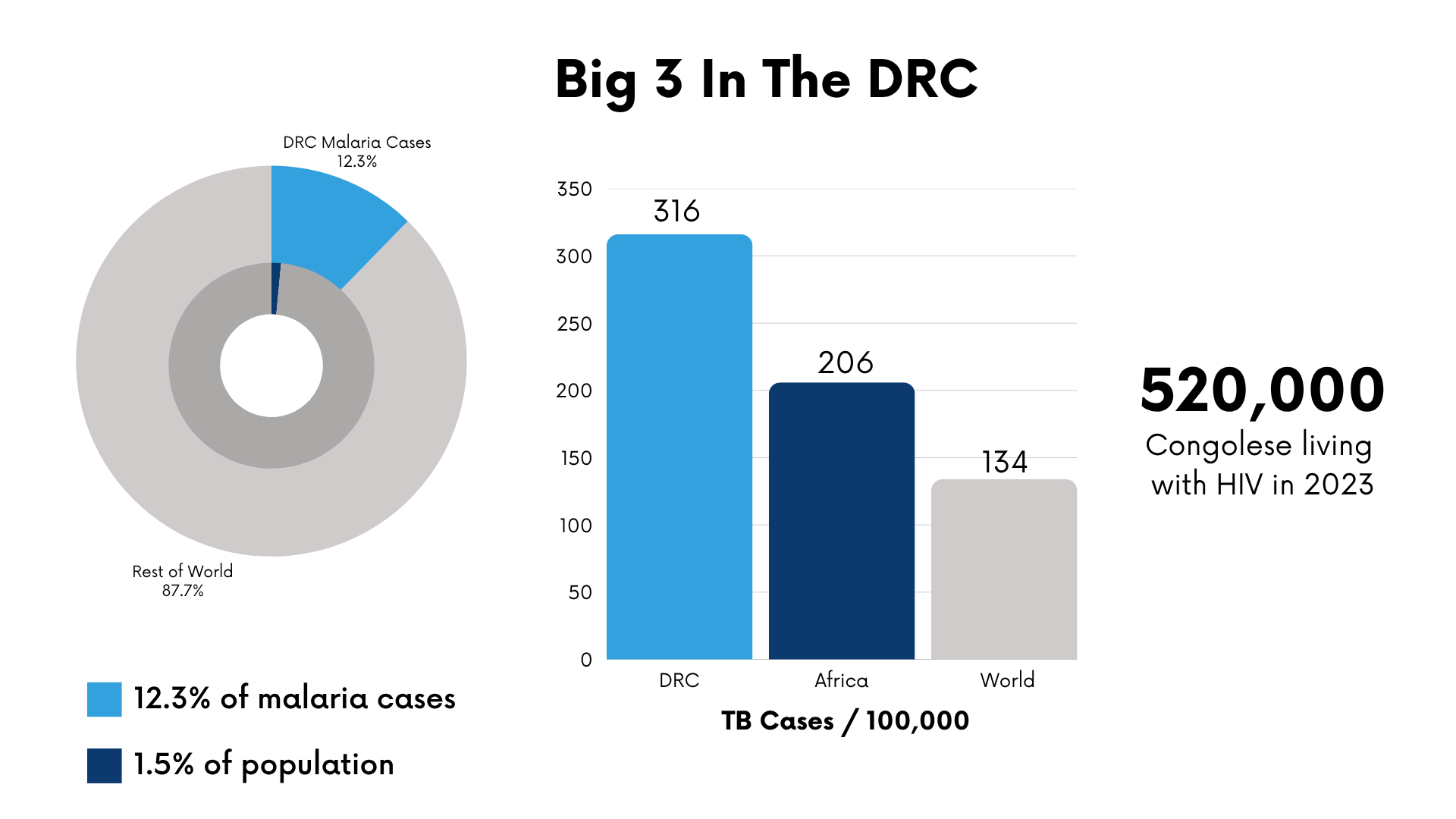
The DRC has a high prevalence of vector-borne and zoonotic diseasesAn infectious disease transmitted between animals and humans.34>,45 examples of which include malariaA tropical disease caused by parasites primarily spread by mosquitoes but also transmitted by blood transfusions and needle-sharing. Symptoms can include fever, headache, fatigue, difficulty breathing, seizures, impaired consciousness, convulsions, bloody urine, jaundice, and abnormal bleeding.18, dengue hemorrhagic fever, chikungunya, plague, rabies, mpox, hantavirus infection, trypanosomiasis, leishmaniasis, Crimean-Congo hemorrhagic fever, marburg virus infection, and yellow fever.46 The most common of these diseases is malaria, which is also one of the world’s Big Three infectious diseases (along with tuberculosis and HIV/AIDSHuman immunodeficiency virus (HIV) is a virus that targets the immune system in infected individuals, limiting their ability to recognize and fight off other pathogens. If HIV severely weakens the immune system, the condition is called acquired immunodeficiency syndrome (AIDS).13). In 2021, the DRC had more than 30.5 million malaria cases, accounting for 12.3% of the global total and behind only Nigeria in the number of cases.47 From 2022 to 2023, malaria deaths in the DRC decreased, but the incidenceThe number of new cases of a disease that begin during a certain period. Incidence is often expressed as a rate (e.g., number of new cases per 1,000 individuals).15 Contrast with prevalence. of malaria increased.48 In 2023, the overall incidence rate of malaria in the DRC was 31%; the incidence rate was slightly higher (33%) among DRC children under five years old.49
Waterborne, Foodborne, and Airborne Diseases
Waterborne and foodborne diseases that are prevalent in the DRC include polio, cholera, typhoid fever, hepatitis A, and leptospirosis.50 Airborne diseases in the DRC include tuberculosisA serious infection caused by the bacteria Mycobacterium tuberculosis that primarily affects the lungs. Symptoms include having a fever, coughing up blood or mucus, experiencing chest pain, and losing considerable weight.29, measles, and COVID-19.51 Tuberculosis, another of the Big Three infectious diseasesIllnesses caused by pathogenic microbes, including bacteria, viruses, parasites, and fungi.16 Most infectious diseases are considered communicable; some, such as tetanus, are not.17, has long been a focus of public health surveillance in the DRC.52 Tuberculosis incidenceThe number of new cases of a disease that begin during a certain period. Incidence is often expressed as a rate (e.g., number of new cases per 1,000 individuals).15 Contrast with prevalence. in the DRC has declined slightly, from 327 to 316 cases per 100,000 individuals, since the early 2000s, but the incidence rate remains higher than both the global average (134 cases per 100,000 individuals) and the average across Africa (206 cases per 100,000 individuals).53 In 2023, the DRC reported over 350,000 new cases of tuberculosis, equating to a new case every 90 seconds.54
Blood-Borne and Sexually Transmitted Diseases
Several blood-borne and sexually transmitted diseases significantly contribute to morbidityThe state of having or displaying symptoms of a disease; often estimated using prevalence and incidence.20 and death in the DRC. Among the most prevalent of these diseases are hepatitis B, HIV, Ebola virus disease, and the closely-related Marburg virus disease.55 Both Ebola virus disease and Marburg virus disease cause substantial bleeding, known as hemorrhagic fever, presenting significant challenges in terms of containment and treatment. As of September 2025, the DRC has experienced 16 Ebola outbreaksAn unexpected increase in the number of cases of a disease.24, with one of the outbreaks resulting in 3,296 cases and 2,196 deaths.56
HIV, the last of the Big Three infectious diseasesIllnesses caused by pathogenic microbes, including bacteria, viruses, parasites, and fungi.16 Most infectious diseases are considered communicable; some, such as tetanus, are not.17, causes AIDS and is a common sexually transmitted virus in the DRC.57 In 2023, researchers estimated that over half a million adults in the DRC had HIV; further, more than 20,000 new infections are reported each year.58 HIV targets key cells in the body’s immune system, inhibiting the body’s ability to fight pathogenic microbes. As a result, individuals with HIV are more susceptible to infections and diseases than is the general population.59 Individuals who have reached the most severe stage of HIV have acquired AIDS. The most common infections that follow the contraction of AIDS include herpes simplex virus 1, salmonella, thrush, toxoplasmosis, and tuberculosisA serious infection caused by the bacteria Mycobacterium tuberculosis that primarily affects the lungs. Symptoms include having a fever, coughing up blood or mucus, experiencing chest pain, and losing considerable weight.29.60 Because HIV weakens the immune system, HIV is a global public health crisis.61
Neglected Tropical Diseases
The DRC is also the home to several neglected tropical diseasesInfectious diseases that have historically received disproportionately less attention and funding to address than have other infectious diseases and that thrive in lower-income settings.22.62 Neglected tropical diseases tend to affect lower-income countries with a predominantly tropical climate.63 These diseases include lesser-known conditions such as lymphatic filariasis, soil-transmitted helminthiasis, schistosomiasis, blinding trachoma, onchocerciasis, Buruli ulcers, fungal infections, foodborne worm infections, leishmaniasis, African trypanosomiasis, leprosy, rabies, mycetoma, taeniasis, and cysticercosis.64
Neglected tropical diseasesInfectious diseases that have historically received disproportionately less attention and funding to address than have other infectious diseases and that thrive in lower-income settings.22 vary in prevalence in the DRC but contribute significantly to the overall prevalence of infectious diseasesIllnesses caused by pathogenic microbes, including bacteria, viruses, parasites, and fungi.16 Most infectious diseases are considered communicable; some, such as tetanus, are not.17 in the country. In 2016, for example, 41% of the DRC’s population was at risk of onchocerciasis infection, and 65,000 individuals experienced blindness as a result of the infection.65 In 2017, 58% of school-aged children in two districts in the DRC had at least one active soil-transmitted parasitic worm infection.66 In 2022, over 3,000 new cases of leprosy were reported in the DRC, and 10% of the children were disabled by the disease at the time of diagnosis.67 The combined impact of neglected tropical diseases in the DRC is immense, and a 2021 study focusing on 15 common neglected tropical diseases reported 57,000 cases per 100,000 individuals.68 In 2023, researchers estimated that 57 million individuals in the DRC required treatment for a neglected tropical disease.69
Q: Who is most affected by infectious diseases in the DRC?
A: Susceptibility to infectious diseases varies by disease and a person’s age, pregnancy status, occupation, socioeconomic status, and geographic location. In general, young children are more susceptible to infectious diseasesIllnesses caused by pathogenic microbes, including bacteria, viruses, parasites, and fungi.16 Most infectious diseases are considered communicable; some, such as tetanus, are not.17 than other people are.70 For example, the 2024 outbreak of mpox disease in the DRC primarily affected children; 67% of reported cases and 83% of reported deaths were among children under the age of 15.71 One disease that children are less susceptible to is HIV/AIDSHuman immunodeficiency virus (HIV) is a virus that targets the immune system in infected individuals, limiting their ability to recognize and fight off other pathogens. If HIV severely weakens the immune system, the condition is called acquired immunodeficiency syndrome (AIDS).13; as of 2025, only 10% of the DRC’s approximately 600,000 HIV/AIDS cases were in children under the age of 15.72 Another group that is particularly affected by infectious diseases is the elderly. In a 2022 study, researchers recorded 5,401 cases of diarrheal disease among individuals over 70 years old, equating to a prevalenceThe number of total cases of a disease present during a certain period. Prevalence is often expressed as a rate (e.g., number of people with diabetes per 1,000 population in 2025).28 Contrast with incidence. rate higher than for any other age group.73 Other people who are at a heightened risk of infectious diseases include those with compromised immune systems, pregnant women, sex workers, and health care workers.74 For example, pregnant women are 3 times more likely than nonpregnant women to develop severe malariaA tropical disease caused by parasites primarily spread by mosquitoes but also transmitted by blood transfusions and needle-sharing. Symptoms can include fever, headache, fatigue, difficulty breathing, seizures, impaired consciousness, convulsions, bloody urine, jaundice, and abnormal bleeding.18.75 Female sex workers in the DRC are 6 times more likely to contract HIV than are other members of the general population.76 Health care workers are 21–32 times more likely to contract Ebola virus than other adults in the general population because of health care workers’ potential exposure to Ebola virus pathogens.77
Socioeconomic status is also correlated with a person’s risk of contracting an infectious disease. In general, the wealthy have better access to preventative factors, such as clean water and sanitation. For example, in the DRC, 89% of individuals in the richest quintile have access to basic water services (defined as water from an improved source that takes less than 30 minutes to collect); in contrast, only 18% in the poorest quintile have this access.78 Further, 28% of households in the richest quintile have access to private sanitation facilities, while only 10% of households in the poorest quintile do.79 As another example, 37% in the richest quintile have a handwashing facility with soap at home, whereas only 7% in the poorest quintile do.80 Because of these differences in access, diseases that spread through contaminated water, such as cholera, disproportionately affect the poor.81

Photo from Pexels
Additionally, people in both rural and urban areas of the DRC face challenges related to infectious diseasesIllnesses caused by pathogenic microbes, including bacteria, viruses, parasites, and fungi.16 Most infectious diseases are considered communicable; some, such as tetanus, are not.17, though the challenges differ in various ways. The majority (74%) of rural areas lack access to basic water resources, whereas only 21% of urban areas do, and the lack of water resources increases the chance of waterborne illness in rural areas. In terms of sanitation, 19% of individuals in rural areas defecate in the open (compared to 4% in urban areas), increasing the chance of individuals contracting infectious diseases that can be spread through fecal contamination.82 A 2021 study found that the prevalenceThe number of total cases of a disease present during a certain period. Prevalence is often expressed as a rate (e.g., number of people with diabetes per 1,000 population in 2025).28 Contrast with incidence. of malaria was significantly higher among all age groups of rural residents than among the corresponding age groups of urban residents. For example, the researchers estimated that almost 50% of rural 5-to-14-year-olds had malaria compared to 24% of urban 5-to-14-year-olds.83 In addition, the health care workforce is concentrated in urban areas, particularly Kinshasa, leaving rural areas with less access to care.84
In urban areas, people are in closer contact with one another, which increases the chances of direct transmission and the spread of waterborne and fecal-oral pathogens.85 Sexually transmitted infections are also more prevalent in urban areas, in which people are more likely to engage in higher-risk sexual behavior and to have a higher number of sex partners.86 However, living in a rural area is not as protective against HIV now as it was prior to 2013, in part because of the migration of people from urban areas to rural areas.87 People in urban areas are also at a higher risk of mosquito-transmitted diseases.88 The prevalenceThe number of total cases of a disease present during a certain period. Prevalence is often expressed as a rate (e.g., number of people with diabetes per 1,000 population in 2025).28 Contrast with incidence. of infectious diseases in urban centers is in part the result of rapid population growth that outpaces urban planning and infrastructure development to support sanitation, waste removal, safe drinking water, and adequate food.89 Rapid population growth is particularly evident in Kinshasa; this city’s population has increased 4.3%–4.4% per year since 1999 and was home to 17.8 million people in 2025.90 Kinshasa is expected to become Africa’s largest city by 2030, with an estimated 30 million people.91 As a result of rapid growth, over 90% of Kinshasa’s population, as well as 75% of people in other urban centers in the DRC, lack well-planned and serviced neighborhoods.92 A 2024 study compared two neighboring communities in Kinshasa, one with established waste collection services and a clean water supply and the other without these resources. The study results showed that the community without these resources had significantly higher rates of malariaA tropical disease caused by parasites primarily spread by mosquitoes but also transmitted by blood transfusions and needle-sharing. Symptoms can include fever, headache, fatigue, difficulty breathing, seizures, impaired consciousness, convulsions, bloody urine, jaundice, and abnormal bleeding.18 (97.2% versus 92.6%) and typhoid (91.3% versus 77.4%).93
Contributing Factors
Air Pollution
Air pollution in the DRC facilitates the spread of infectious diseasesIllnesses caused by pathogenic microbes, including bacteria, viruses, parasites, and fungi.16 Most infectious diseases are considered communicable; some, such as tetanus, are not.17. The DRC is the most polluted country in Africa: In 2022, the country’s average fine particulate matterPollution made up of solid particles and liquid droplets suspended in the air, including smoke, dust, and certain chemicals.25 concentration was 34.7 ug/m3 (6.9 times higher than World Health Organization [WHO] guidelines).94 Mining and mineral processing contribute significantly to air pollution in the DRC, and indoor pollution is also severe, as 9 out of 10 people rely on wood biomass for cooking. Using wood biomass for cooking often leads to dangerous levels of indoor pollution.95
Air pollution both facilitates infection and weakens an infected person’s immune system. For example, pollution allows virus particles to remain suspended in the air for extended periods and transports pathogens into the body.96 In urban settings, pollution has also been shown to enhance the adhesion of certain bacteria to the cells of the airway.97 Once an infection has begun, pollution impairs the body’s ability to fight the infection because of increased oxidative stress, chronic inflammation, cell mutation, and general immunosuppression; as a result, infections become more severe.98 For example, a long-term increase in fine particulate matterPollution made up of solid particles and liquid droplets suspended in the air, including smoke, dust, and certain chemicals.25 by just 1 ug/m3 increases the mortality rateThe number of deaths (usually per 1,000 people) resulting from a specific cause, such as a disease.21 of COVID-19 by 15%.99
Worldwide, nearly 30% of deaths resulting from infectious diseasesIllnesses caused by pathogenic microbes, including bacteria, viruses, parasites, and fungi.16 Most infectious diseases are considered communicable; some, such as tetanus, are not.17 can be traced back to air pollution.100 For instance, air pollution increases rates of respiratory infection after short-term exposure to particulate matterPollution made up of solid particles and liquid droplets suspended in the air, including smoke, dust, and certain chemicals.25; heightens the risk of tuberculosis; and increases the mortality rate of pneumonia, influenza, and acute lower respiratory infections associated with nitrogen dioxide and black carbon. In 2019 in Kinshasa, over 30% of deaths resulting from acute lower respiratory tract infections were attributed to fine particulate matter.101 A study conducted in the eastern DRC city of Bukavu found that an increase in the time exposed to carbon monoxide while cooking correlated with a 36% increase in the risk of tuberculosisA serious infection caused by the bacteria Mycobacterium tuberculosis that primarily affects the lungs. Symptoms include having a fever, coughing up blood or mucus, experiencing chest pain, and losing considerable weight.29 among individuals with HIV.102 Air pollution even increases the risk of diseases that do not originate in the respiratory tract, such as dengue. One reason may be that pollution encourages people to stay indoors, where the mosquitoes that carry dengue and other infectious diseasesIllnesses caused by pathogenic microbes, including bacteria, viruses, parasites, and fungi.16 Most infectious diseases are considered communicable; some, such as tetanus, are not.17 prefer to breed.103
Animal Contact
Many infectious diseasesIllnesses caused by pathogenic microbes, including bacteria, viruses, parasites, and fungi.16 Most infectious diseases are considered communicable; some, such as tetanus, are not.17 are spread through contact with animals.104 Globally, more than 60% of all known infectious diseases and 75% of emerging infectious diseases originate from animals, resulting in an estimated 2.5 billion cases of illness and 2.7 million deaths each year.105 The DRC is considered a global hotspot of zoonotic diseases because of its rich biodiversity and residents’ extensive contact with animals. Zoonotic diseasesAn infectious disease transmitted between animals and humans.34> in the DRC include Ebola virus disease, mpox, HIV/AIDSHuman immunodeficiency virus (HIV) is a virus that targets the immune system in infected individuals, limiting their ability to recognize and fight off other pathogensOrganisms, including bacteria, viruses, fungi, and parasites, that cause illness in their hosts.26 Commonly, pathogens are referred to simply as germs.27. If HIV severely weakens the immune system, the condition is called acquired immunodeficiency syndrome (AIDS).13, and rabies.106 A genetic sequencing study found that roughly 95 % of mpox cases in the DRC from 2018 to 2024 were transmitted from animals to humans.107 Individuals can become infected with diseases through being bit by infected animals, coming into contact with infected animals’ bodily fluids and excrement, and eating meat from infected animals.108 In a 2007 survey conducted in the Sankuru province of the DRC, 91% of respondents reported contact with rodents in the month preceding the survey, 78% reported contact with nonhuman primates, and 32% reported contact with bats.109 The majority of contact occurred through butchering, skinning, cooking, and eating the animals.110 Most (80%) of the meat consumed by people in the Congo Basin (which most of the DRC is in) comes from wild animals, which can be a significant source of infectious diseases. However, in a survey of bushmeat hunters, butchers, and vendors in Kinshasa, no respondents reported believing that wild animals can spread diseases to humans.111 Because of this incorrect understanding, people in the DRC are less likely to take necessary precautions when coming into contact with animals and are at a greater risk of contracting infectious diseases from animals.
WASH Infrastructure
The persistence of infectious diseases in the DRC is partly the result of factors related to water, sanitation, and hygiene, collectively known as WASHA term commonly used in global development. Water refers to safe drinking water.32 Sanitation refers to infrastructure and services such as sewage and waste removal. Hygiene regards human behaviors related to cleanliness.33 factors. Individuals are better able to avoid infectious diseasesIllnesses caused by pathogenic microbes, including bacteria, viruses, parasites, and fungi.16 Most infectious diseases are considered communicable; some, such as tetanus, are not.17 when they have access to clean water, have a sanitary waste removal infrastructure , and practice hygienic behaviors.112 In the DRC, inadequate WASH factors ranked as the third leading risk factor for death and disability in 2011 and 2021, primarily because inadequate WASH factors lead to infectious diseases.113 In 2022, researchers estimated that 54,000 individuals in the DRC die each year because of insufficient WASH infrastructure.114
Inadequate WASHA term commonly used in global development. Water refers to safe drinking water.32 Sanitation refers to infrastructure and services such as sewage and waste removal. Hygiene regards human behaviors related to cleanliness.33 directly contributes to the spread of infectious diseasesIllnesses caused by pathogenic microbes, including bacteria, viruses, parasites, and fungi.16 Most infectious diseases are considered communicable; some, such as tetanus, are not.17.115 Worldwide from 1990 to 2019, deficiencies in WASH infrastructure contributed to 52%–55% of all global deaths.116 In particular, WASH factors contribute to the transmission of gastrointestinal diseases spread through the fecal-oral routeA common pathway by which infectious diseases are transmitted. This method of transmission involves the spread of pathogensOrganisms, including bacteria, viruses, fungi, and parasites, that cause illness in their hosts.26 Commonly, pathogens are referred to simply as germs.27 from the feces of an individual to the mouth and digestive system of another individual. This transmission occurs regularly through contaminated hands, water, and food.12, such as diarrheal diseases. When an individual is sick with a diarrheal disease in an area with poor WASH infrastructure, the individual’s excrement is likely to reenter the water supply, enabling the pathogens to quickly infect other individuals who use the water for drinking, farming, bathing, or cooking.117 Improving WASH factors is associated with a decrease in the number of deaths from diarrheal diseases, a decrease in the incidenceThe number of new cases of a disease that begin during a certain period. Incidence is often expressed as a rate (e.g., number of new cases per 1,000 individuals).15 Contrast with prevalence. of neglected tropical diseasesInfectious diseases that have historically received disproportionately less attention and funding to address than have other infectious diseases and that thrive in lower-income settings.22 such as trachoma, helminths, and schistosomiasis, and a 50% decrease in acute respiratory illnesses in young children.118
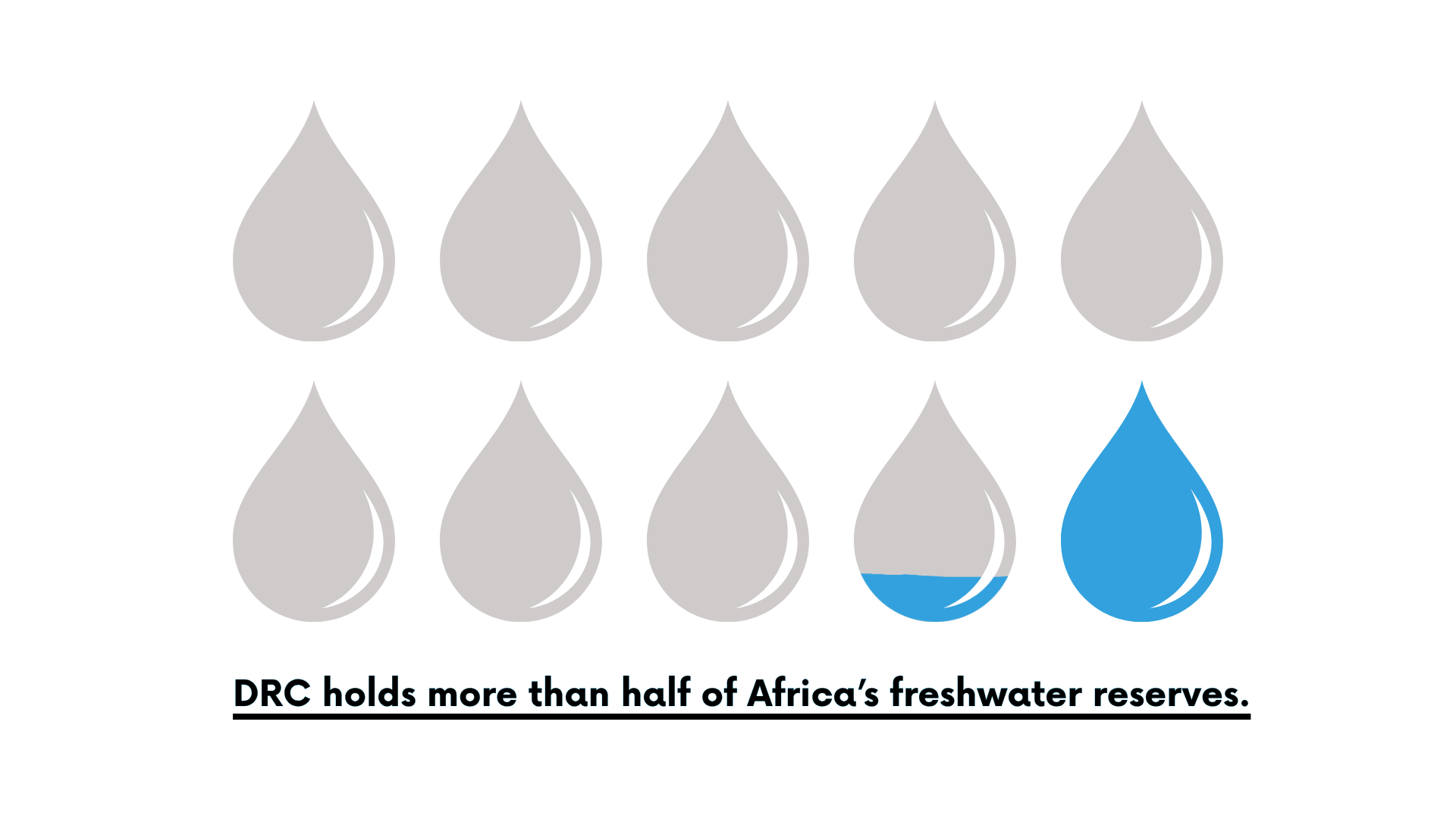
The DRC lacks key WASHA term commonly used in global development. Water refers to safe drinking water.32 Sanitation refers to infrastructure and services such as sewage and waste removal. Hygiene regards human behaviors related to cleanliness.33 infrastructure to prevent the spread of infectious diseasesIllnesses caused by pathogenic microbes, including bacteria, viruses, parasites, and fungi.16 Most infectious diseases are considered communicable; some, such as tetanus, are not.17. Though the country possesses over half of Africa’s freshwater reserves, 48% of the DRC’s population lacks access to safe water sources. In 2022, 12% of people living in the DRC used safely managed drinking water services, compared to 73% of people worldwide.119 Additionally, only 29% of the DRC’s population has access to improved sanitation facilities (anything more than a pit or bucket latrine), and only 19% has access to basic hygiene services (e.g., a handwashing facility with soap and water at home).120 These percentages are below the average for Africa overall.121 Research indicates that because of inadequate sanitation facilities and basic hygiene services, 60% of individuals admitted to clinics in a neighborhood of Kinshasa from 2013 to 2017 were affected by waterborne infectious diseases.122
Malnutrition
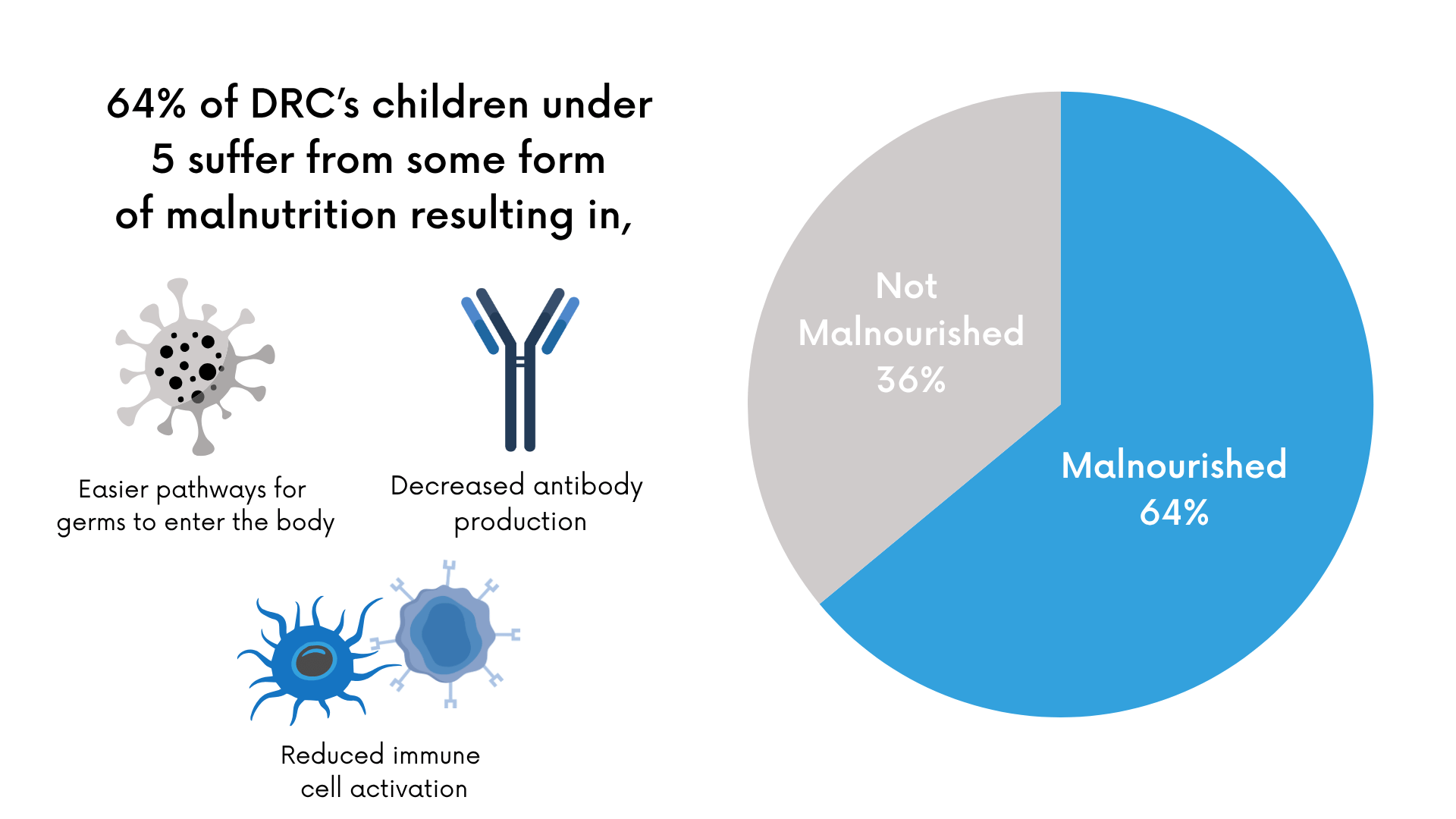
The prevalenceThe number of total cases of a disease present during a certain period. Prevalence is often expressed as a rate (e.g., number of people with diabetes per 1,000 population in 2025).28 Contrast with incidence. of infectious diseases in the DRC is also the result of malnutritionImbalance, deficiency, or excess in an individual’s diet. Both undernutrition and overnutrition are considered forms of malnutrition.19. Malnutrition impairs immune function, and individuals with impaired immune function are more vulnerable to infectious diseasesIllnesses caused by pathogenic microbes, including bacteria, viruses, parasites, and fungi.16 Most infectious diseases are considered communicable; some, such as tetanus, are not.17.123 A range of macro- and micronutrients play a crucial role in preventing immunodeficiency. For instance, macronutrients (carbohydrates, fats, and protein) supply energy and materials for the immune system to function.124 Essential proteins, such as antibodies, are critical in detecting and fighting pathogensOrganisms, including bacteria, viruses, fungi, and parasites, that cause illness in their hosts.26 Commonly, pathogens are referred to simply as germs.27. When the body lacks sufficient protein, antibody production is impaired, compromising immune function.125 Micronutrients (including vitamins and minerals) are also needed in small amounts for the immune system to function properly.126 Micronutrients that are particularly important for the immune system include vitamin A, vitamin C, vitamin D, and selenium.127
Antioxidants, probiotics, and anti-inflammatory compounds also serve a vital role in immune function.128 Without enough of these compounds, the structural integrity of the skin and gut barriers are weakened, making it easier for pathogensOrganisms, including bacteria, viruses, fungi, and parasites, that cause illness in their hosts.26 Commonly, pathogens are referred to simply as germs.27 to cross into the body and cause infection.129 Deficiencies in these compounds can also suppress immune cell activation and lead to increased inflammation, which can have a further negative effect on the immune system.130 In addition, malnutritionImbalance, deficiency, or excess in an individual’s diet. Both undernutrition and overnutrition are considered forms of malnutrition.19 can affect the bacteria in the human gut, and when the gut lacks enough good bacteria, the immune system is less able to fight off harmful pathogensOrganisms, including bacteria, viruses, fungi, and parasites, that cause illness in their hosts.26 Commonly, pathogens are referred to simply as germs.27.131 The effects that malnutrition has on the body make malnourished individuals more likely to contract diseases such as tuberculosisA serious infection caused by the bacteria Mycobacterium tuberculosis that primarily affects the lungs. Symptoms include having a fever, coughing up blood or mucus, experiencing chest pain, and losing considerable weight.29, noma, and malariaA tropical disease caused by parasites primarily spread by mosquitoes but also transmitted by blood transfusions and needle-sharing. Symptoms can include fever, headache, fatigue, difficulty breathing, seizures, impaired consciousness, convulsions, bloody urine, jaundice, and abnormal bleeding.18.132
Malnutrition is common in the DRC, particularly among children, largely because of widespread food scarcity.133 In part because malnutritionImbalance, deficiency, or excess in an individual’s diet. Both undernutrition and overnutrition are considered forms of malnutrition.19 weakens the immune system, malnutrition was the number-one risk factor for death and disability in the DRC and accounted for nearly half of deaths in children under five in 2011 and 2021.134 In the DRC in 2022, 43% of children under the age of five were stunted developmentally because of malnutrition, compared to 22% of children in this age group globally.135 In 2024, an estimated 4.5 million children under the age of five in the DRC experienced malnutrition.136 Malnutrition data for the overall population in the DRC is unavailable, but a report on food crises indicated that in 2019, 15.6 million people in the DRC experienced acute food insecurity. Only one country—Yemen—had more residents experiencing acute food insecurity.137
A study examining malnourishment and disease in the DRC found that malnourishment was associated with gastroenteritis, severe sepsis, malariaA tropical disease caused by parasites primarily spread by mosquitoes but also transmitted by blood transfusions and needle-sharing. Symptoms can include fever, headache, fatigue, difficulty breathing, seizures, impaired consciousness, convulsions, bloody urine, jaundice, and abnormal bleeding.18, and tuberculosisA serious infection caused by the bacteria Mycobacterium tuberculosis that primarily affects the lungs. Symptoms include having a fever, coughing up blood or mucus, experiencing chest pain, and losing considerable weight.29. The study also found that over 50% of acutely malnourished children suffered from some form of infection.138 Conversely, a balanced, adequate diet reduces the chance of infectious disease. For example, the risk of severe respiratory illness in children in the DRC is significantly lower when they eat a diverse diet rather than one lacking in variety.139 Similarly, vitamin A supplementation has been shown to decrease a person’s risk of diarrheal diseases, malaria, and measles.140
It is also important to note that infection often exacerbates malnutritionImbalance, deficiency, or excess in an individual’s diet. Both undernutrition and overnutrition are considered forms of malnutrition.19 through diarrhea, decreased nutrient absorption, loss of appetite, and the shunting of energy toward the immune response. As malnutrition becomes more severe through the course of an infection, the immune response is further impaired.141
Inadequate Access to Health Care
Another factor contributing to the prevalenceThe number of total cases of a disease present during a certain period. Prevalence is often expressed as a rate (e.g., number of people with diabetes per 1,000 population in 2025).28 Contrast with incidence. of infectious diseasesIllnesses caused by pathogenic microbes, including bacteria, viruses, parasites, and fungi.16 Most infectious diseases are considered communicable; some, such as tetanus, are not.17 in the DRC is inadequate access to health care. This inadequate access results from issues such as a shortage of health care professionals; limited access to medications and transportation to health care clinics; and inadequate financial resources to pay for health care services.142 The DRC’s health care infrastructure was once considered exemplary in Africa but now struggles to meet the needs of the growing population.143 A 2005 report from the World Bank indicated that 7 in 10 Congolese had little or no access to health care services.144 In 2024, 19.6 million Congolese were in need of emergency health care.145
The DRC is experiencing a significant shortage of qualified medical professionals. One metric used to evaluate the strength of an area’s health care services is the ratio of qualified medical personnel to the total population. The DRC has between 1.5 and 4 physicians per 10,000 individuals, falling significantly short of the global benchmark of 22.8 and the world average of 17.146 The DRC also has a ratio of about 12 nurses and midwives per 10,000 individuals, compared to the global average of 37.147 Globally, the number of health care workers in a geographic area is inversely correlated with all-cause mortality in that area; in other words, when the number of health care professionals increases, the number of deaths decreases. This relationship is especially noticeable with certain causes of death, including malariaA tropical disease caused by parasites primarily spread by mosquitoes but also transmitted by blood transfusions and needle-sharing. Symptoms can include fever, headache, fatigue, difficulty breathing, seizures, impaired consciousness, convulsions, bloody urine, jaundice, and abnormal bleeding.18, neglected tropical diseases, and enteric infectious diseasesIllnesses caused by pathogenic microbes, including bacteria, viruses, parasites, and fungi.16 Most infectious diseases are considered communicable; some, such as tetanus, are not.17.148
Photo from Unsplash
In addition to personnel shortages, insufficient medical equipment and supplies and an inadequate reporting infrastructure prevent people in the DRC from accessing timely health care.149 Many health care facilities lack vaccines, medical oxygen, intensive care unit equipment, ventilators, logistics infrastructure, diagnostic capabilities, and personal protective equipment.150 Without key equipment and supplies, medical facilities have limited abilities to safely and effectively care for individuals. In addition, health records are primarily kept on paper in the DRC, in part because of poor internet infrastructure, inhibiting the collation and analysis of patients’ symptoms and diagnoses and preventing rapid communication regarding potential disease outbreaksAn unexpected increase in the number of cases of a disease.24.151
As a result of these limitations, many health care facilities in the DRC struggle to provide adequate patient care to those with infectious diseasesIllnesses caused by pathogenic microbes, including bacteria, viruses, parasites, and fungi.16 Most infectious diseases are considered communicable; some, such as tetanus, are not.17. For example, only 30% of health care facilities are able to offer treatment for tuberculosisA serious infection caused by the bacteria Mycobacterium tuberculosis that primarily affects the lungs. Symptoms include having a fever, coughing up blood or mucus, experiencing chest pain, and losing considerable weight.29.152 In 2025, the International Rescue Committee’s senior health coordinator in the DRC reported that health care centers were critically short of vaccines, antimalaria drugs, and antibiotics that treat infectious diseases. Without proper treatment, people in the DRC who have infectious diseases are at a higher risk of dying.153
Further, government funding for health care in the DRC is insufficient, hindering health care facilities’ ability to prevent or treat infectious diseasesIllnesses caused by pathogenic microbes, including bacteria, viruses, parasites, and fungi.16 Most infectious diseases are considered communicable; some, such as tetanus, are not.17. In 2019, the government allocated just 8.5% of its total budget to health care; this percentage is an increase over the 3.4% budget allocation in 2011 but is still below what many other low-income countries allocate for health care.154 Further, the strategies the government has implemented to improve health care in the country have largely benefited the richest quintile of the population rather than helping the majority of the DRC’s residents.155 As a result, health systems in the DRC depend heavily on religious organizations, nongovernmental organizations, bilateral foreign aid, and the United Nations for financial support.156 Because the country lacks a well-developed health care system, the DRC struggles to implement preventative measures, thereby contributing to continued outbreaksAn unexpected increase in the number of cases of a disease.24 of infectious diseases.157
Access to essential medicine is also a major issue in the DRC.158 The pharmaceutical industry in the DRC is largely unregulated, and thousands of informal pharmacies operate without permits. These pharmacies often run out of medicine. Further, the DRC has set a maximum profit margin that pharmacies are allowed to charge customers, but the lack of industry monitoring makes pricing regulations nearly impossible to enforce and results in the cost of a medicine varying significantly from one pharmacy to another.159
Consequences
Death and Disability
Infectious diseases are among the most common causes of death in the DRC.160 According to WHO, the country’s ten leading causes of death in 2023 were lower respiratory infections, malariaA tropical disease caused by parasites primarily spread by mosquitoes but also transmitted by blood transfusions and needle-sharing. Symptoms can include fever, headache, fatigue, difficulty breathing, seizures, impaired consciousness, convulsions, bloody urine, jaundice, and abnormal bleeding.18, tuberculosisA serious infection caused by the bacteria Mycobacterium tuberculosis that primarily affects the lungs. Symptoms include having a fever, coughing up blood or mucus, experiencing chest pain, and losing considerable weight.29, stroke, preterm birth complications, ischemic heart disease, diarrheal disease, COVID-19, birth trauma, and measles.161 Six of these causes, including the top three, are infectious diseasesIllnesses caused by pathogenic microbes, including bacteria, viruses, parasites, and fungi.16 Most infectious diseases are considered communicable; some, such as tetanus, are not.17.
In 2023, 11.3% of global malariaA tropical disease caused by parasites primarily spread by mosquitoes but also transmitted by blood transfusions and needle-sharing. Symptoms can include fever, headache, fatigue, difficulty breathing, seizures, impaired consciousness, convulsions, bloody urine, jaundice, and abnormal bleeding.18 deaths (equating to nearly 80,000 deaths) occurred in the DRC, whereas the country contains only 1.3% of the world’s population, underscoring the country’s outsized share of the global burden of malaria.162 Malaria is the number-one killer of children under the age of five in the DRC.163 As of 2025, infant mortality ratesThe number of deaths (usually per 1,000 people) resulting from a specific cause, such as a disease.21 in the DRC are increasing as a result of infectious diseasesIllnesses caused by pathogenic microbes, including bacteria, viruses, parasites, and fungi.16 Most infectious diseases are considered communicable; some, such as tetanus, are not.17, including many that are preventable with vaccines.164 In contrast, the mortality rate for tuberculosisA serious infection caused by the bacteria Mycobacterium tuberculosis that primarily affects the lungs. Symptoms include having a fever, coughing up blood or mucus, experiencing chest pain, and losing considerable weight.29 (excluding coinfection with HIV) has decreased from 2015 to 2021; nevertheless, as noted above, tuberculosis remains the third-leading cause of death in the DRC.165 Similarly, the number of deaths from HIV/AIDSHuman immunodeficiency virus (HIV) is a virus that targets the immune system in infected individuals, limiting their ability to recognize and fight off other pathogensOrganisms, including bacteria, viruses, fungi, and parasites, that cause illness in their hosts.26 Commonly, pathogens are referred to simply as germs.27. If HIV severely weakens the immune system, the condition is called acquired immunodeficiency syndrome (AIDS).13 has declined in the DRC since the early 2000s, but 14,000 Congolese still died from the disease in 2024.166
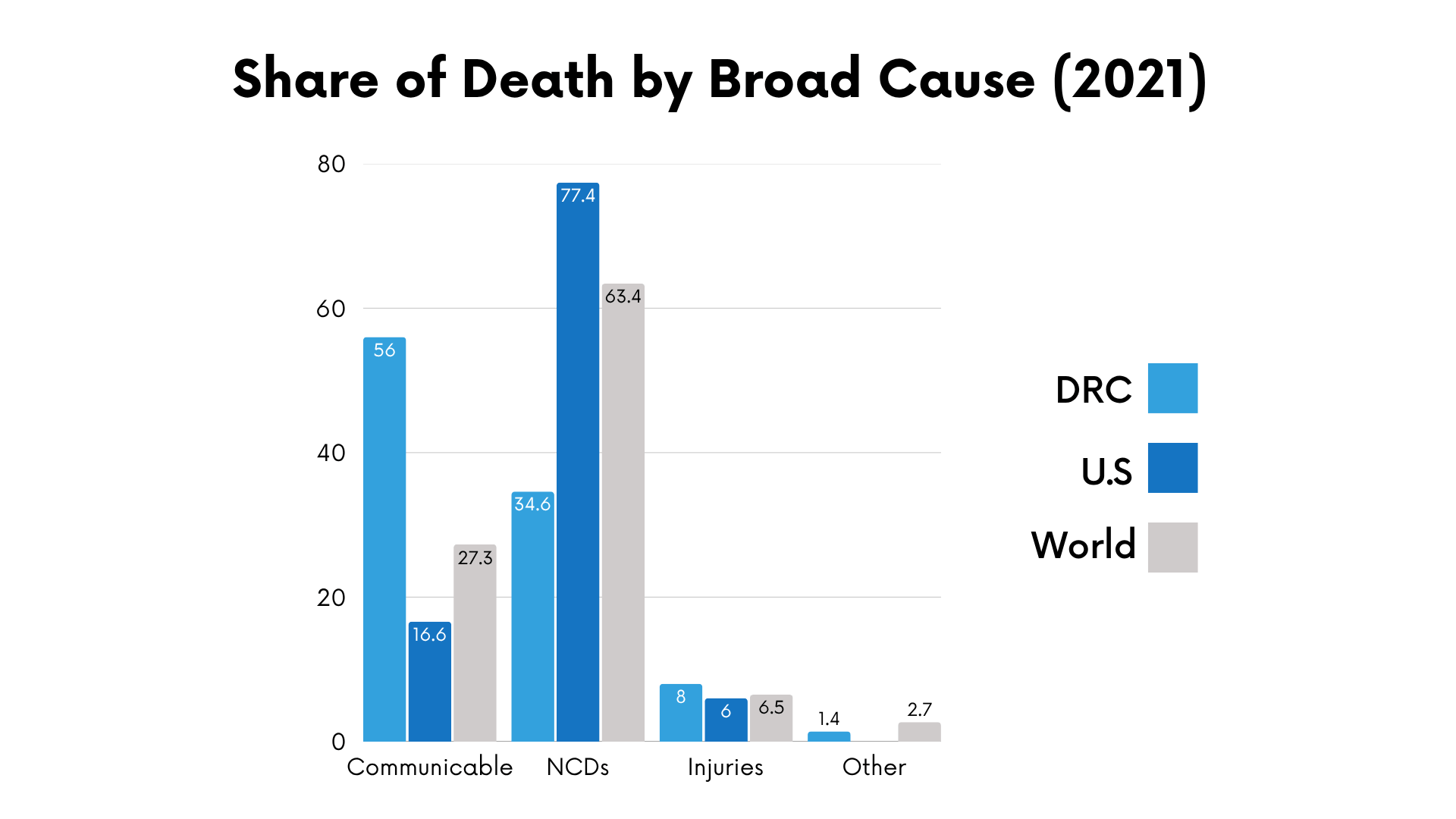
In addition to causing death, infectious diseasesIllnesses caused by pathogenic microbes, including bacteria, viruses, parasites, and fungi.16 Most infectious diseases are considered communicable; some, such as tetanus, are not.17 can cause disabilities. The loss of life as well as of good health is assessed through the DALYs (disability-adjusted life yearsThe sum of the number of years of full health lost and the number of years of life lost because of a disease. One DALY represents the loss of one full year of health or one full year of premature death. Because DALYs include loss of full health as well as early death, DALYs provide a more complete picture of a disease’s impact on people.9) measurement tool.167 Because DALYs is a composite measure of death and disability resulting from a disease, this measure provides a more comprehensive assessment of the burden that diseases create in the DRC. In the DRC, the DALYs for the most significant infectious diseases—including malariaA tropical disease caused by parasites primarily spread by mosquitoes but also transmitted by blood transfusions and needle-sharing. Symptoms can include fever, headache, fatigue, difficulty breathing, seizures, impaired consciousness, convulsions, bloody urine, jaundice, and abnormal bleeding.18, lower respiratory infections, tuberculosisA serious infection caused by the bacteria Mycobacterium tuberculosis that primarily affects the lungs. Symptoms include having a fever, coughing up blood or mucus, experiencing chest pain, and losing considerable weight.29, and diarrheal diseases—declined from 2013 to 2023.168 Despite this decline, infectious diseases have remained dominant contributors to the country’s disease burden.169 For example, in 2019, five infectious diseases—malaria, tuberculosis, S. pneumoniae infection, K. pneumoniae infection, and fungal infections—caused an estimated 10.7 million DALYs in the DRC.170 Also in 2019, the DRC carried 50% of the neglected tropical disease burden, as measured through DALYs, in the East African Community, which includes the DRC, Tanzania, Uganda, South Sudan, Rwanda, Kenya, and Burundi.171 Similarly, in 2023 the DRC’s DALYs for malaria and tuberculosis were significantly higher than the DALYs for those diseases in countries such as Ethiopia, Malawi, Senegal, and South Sudan.172
Poverty
Infectious diseases can contribute to poverty in a geographic area, just as poverty can contribute to the spread of infectious diseasesIllnesses caused by pathogenic microbes, including bacteria, viruses, parasites, and fungi.16 Most infectious diseases are considered communicable; some, such as tetanus, are not.17.173 In the DRC, infectious diseases are one factor that contributed to nearly three in four individuals in the DRC living in poverty in 2024.174 One way infectious diseases in the DRC contribute to poverty is through the significant medical fees associated with treating infectious diseases. Research indicates that less than 4% of the DRC’s population benefits from health insurance, resulting in high out-of-pocket fees to treat infectious diseases.175 In the DRC, the average out-of-pocket cost for an outpatient visit is around USD 7, the equivalent of approximately half a week’s living expenses for the majority of DRC residents.176 Treatment for a diarrheal illness in the DRC costs a median of USD 8, and treatment for an uncomplicated case of malariaA tropical disease caused by parasites primarily spread by mosquitoes but also transmitted by blood transfusions and needle-sharing. Symptoms can include fever, headache, fatigue, difficulty breathing, seizures, impaired consciousness, convulsions, bloody urine, jaundice, and abnormal bleeding.18 costs an average of USD 36.177 Treatment for tuberculosisA serious infection caused by the bacteria Mycobacterium tuberculosis that primarily affects the lungs. Symptoms include having a fever, coughing up blood or mucus, experiencing chest pain, and losing considerable weight.29 is even more expensive, with a mean cost of USD 400 to treat first-line tuberculosis and a mean cost of USD 1,224 to treat drug-resistant tuberculosis.178 The high cost of treatment can have a severe impact on an individual’s or family’s financial situation, leading to poverty or the inability to escape poverty.
Infectious diseases also perpetuate poverty by preventing infected individuals and their caregivers from engaging in paid work.179 For example, an episode of a diarrheal illness in the DRC in 2021 resulted in missing an average of four days of work.180 Uncomplicated cases of malariaA tropical disease caused by parasites primarily spread by mosquitoes but also transmitted by blood transfusions and needle-sharing. Symptoms can include fever, headache, fatigue, difficulty breathing, seizures, impaired consciousness, convulsions, bloody urine, jaundice, and abnormal bleeding.18 resulted in an average loss of three work days for patients and their caretakers.181 In 2019, 78% of patients with tuberculosisA serious infection caused by the bacteria Mycobacterium tuberculosis that primarily affects the lungs. Symptoms include having a fever, coughing up blood or mucus, experiencing chest pain, and losing considerable weight.29 reported losing days of work during the course of treatment and 23% reported losing their jobs.182 Employment can be further affected by the stigma associated with infectious diseases such as tuberculosis, leprosy, and HIV/AIDSHuman immunodeficiency virus (HIV) is a virus that targets the immune system in infected individuals, limiting their ability to recognize and fight off other pathogensOrganisms, including bacteria, viruses, fungi, and parasites, that cause illness in their hosts.26 Commonly, pathogens are referred to simply as germs.27. If HIV severely weakens the immune system, the condition is called acquired immunodeficiency syndrome (AIDS).13.183 Further, infectious diseases can hinder individuals’ educational attainment and thereby reduce future work opportunities.184
The impacts of infectious diseases on employment and income have, in turn, affected the DRC's national economy, as epidemics reduce economic activity and limit long-term economic output. OutbreaksAn unexpected increase in the number of cases of a disease.24 of infectious diseases disrupt supply chains, reduce domestic and international trade, decrease government revenue, and stall gross domestic product (GDP) growth.185 For example, after the onset of the COVID-19 pandemic, the DRC’s GDP growth dropped from 4.4% to 0.8%.186 Similarly, Ebola epidemicsA disease that has a constant presence at predictable levels in a particular region.10 Contrast with epidemic. in the DRC have reduced GDP growth by 0.8% to 4.4%.187
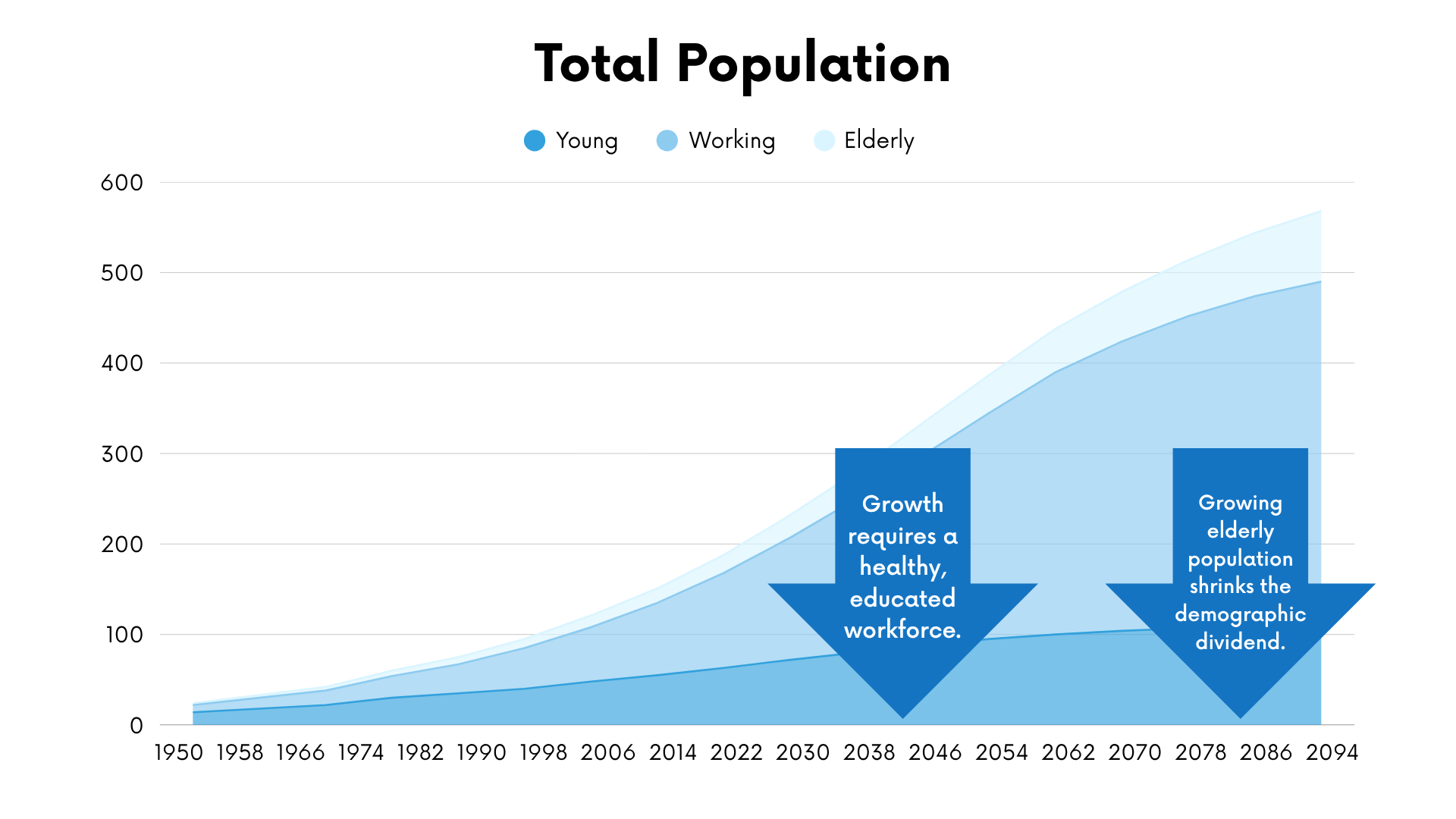
Infectious diseases also threaten to undermine long-term economic growth by disrupting a phenomenon known as the demographic dividend. The demographic dividend occurs when a population has a large, productive workforce and a relatively small number of dependents (young children and older adults who do not work and must be cared for).188 When the ratio reaches about 1.7 workers per dependent, individuals tend to have more disposable income and are usually better able to save and invest more money, thereby fueling widespread economic growth.189 The DRC is expected to reach this threshold between 2047 and 2060.190 However, reaping the economic benefits of the demographic dividend hinges on the health and education of the workforce.191 Infectious diseases limit the DRC’s ability to achieve the demographic dividend by reducing the number of people who are able to work consistently.
Global Spread of Disease
Infectious diseases can be transmitted across national borders, meaning that the prevalenceThe number of total cases of a disease present during a certain period. Prevalence is often expressed as a rate (e.g., number of people with diabetes per 1,000 population in 2025).28 Contrast with incidence. of infectious diseases in the DRC puts bordering countries at risk. The DRC borders nine other countries, and many of these borders are considered highly porous.192 For instance, as many as 115,000 individuals cross official border checkpoints between the DRC and Uganda in just two weeks, making it easy for infectious diseases to spread from the DRC to Uganda.193 Infectious diseases can spread further when individuals travel to countries farther away. The majority of emerging infectious diseases originate in Africa, largely because of interactions with wild animals,194 and one example of a virus that originated in the DRC and has since spread globally is the mpox virus.195 First identified in humans in the DRC in 1970, the virus is now endemic in several countries and has twice been declared a public health emergency of international concern.196 In 2023, a new and deadlier strain of the virus, known as mpox clade 1b, emerged in the DRC and has since spread to several neighboring countries as well as Belgium, Canada, China, France, Germany, India, Pakistan, Sweden, Thailand, the United Kingdom, and the United States.197
The DRC is also experiencing several other infectious disease epidemicsA disease that has a constant presence at predictable levels in a particular region.10 Contrast with epidemic. that have the potential to spread globally. One example is the Ebola virus; the DRC has experienced 16 outbreaksAn unexpected increase in the number of cases of a disease.24 of this disease as of 2025.198 Other epidemics that were occurring as of early 2025 include cholera, measles, polio, plague, and COVID-19.199 The recent emergence of unknown novel diseases has contributed to the number of infectious diseases in the DRC that might spread internationally. In late 2024, 406 cases and 31 deaths were reported as resulting from “disease X,” an unfamiliar infectious disease that primarily affected children under the age of five.200 Further, in early 2025 more than 150 cases were reported of an unknown disease in the DRC that killed around a third of those infected.201 Emerging infectious disease outbreaksAn unexpected increase in the number of cases of a disease.24 have been increasingly frequent in recent years, increasing the danger to global health.202
Practices
Context
People can avoid many of the infectious diseases that are rampant in the DRC by receiving vaccinationsVaccination exposes the immune system to a pathogen’s unique molecular signatures, prompting the body to prepare to attack the pathogen before exposure occurs.30. For example, vaccines are available for malariaA tropical disease caused by parasites primarily spread by mosquitoes but also transmitted by blood transfusions and needle-sharing. Symptoms can include fever, headache, fatigue, difficulty breathing, seizures, impaired consciousness, convulsions, bloody urine, jaundice, and abnormal bleeding.18, tuberculosisA serious infection caused by the bacteria Mycobacterium tuberculosis that primarily affects the lungs. Symptoms include having a fever, coughing up blood or mucus, experiencing chest pain, and losing considerable weight.29, rubella, pertussis, yellow fever, tetanus, and measles.203 Vaccines are a particularly effective solution to the infectious diseases they target because vaccination not only protects the vaccinated individual but also helps prevent the spread of disease through reduced transmission to others.204
Another common approach to reducing the prevalenceThe number of total cases of a disease present during a certain period. Prevalence is often expressed as a rate (e.g., number of people with diabetes per 1,000 population in 2025).28 Contrast with incidence. of infectious diseases in low-income areas is mass drug administration. Mass drug administration is the practice of distributing antimicrobial drugs to all members of a community, regardless of an individual’s infection status.205 However, this approach can result in pathogensOrganisms, including bacteria, viruses, fungi, and parasites, that cause illness in their hosts.26 Commonly, pathogens are referred to simply as germs.27 developing antimicrobial resistance to the drugs, making the drugs less effective in the future.206 Antimicrobial resistance is a particularly important consideration in the DRC, where an estimated 15,700 deaths were directly attributable to antimicrobial resistance in 2021 and an estimated 65,200 deaths were associated with but not directly attributable to antimicrobial resistance. The number of deaths associated with antimicrobial resistance is projected to rise to over 74,000 by 2030.207 At that number, if antimicrobial resistance were considered a disease, it would rank as the third-leading cause of death in the nation.208 New classes of antimicrobial drugs could address antimicrobial resistance to other drugs, but market forces often fail to incentivize sufficient research to produce these new classes of medications.209 In contrast to mass drug administration, vaccination does not generally lead to antimicrobial resistance.210 Consequently, vaccination is widely considered one of the most cost-effective, sustainable public health and global development interventions. Modeled estimates for 94 low- and middle-income countries suggest that immunization campaigns from 2011 to 2020 had a return on investment of USD 44 for every dollar spent.211
The Expanded Programme on Immunization was launched by WHO in 1974 to address inadequate vaccine coverage among children worldwide.212 In 2018, program partners in the DRC’s Ministry of Health developed, with support from several multilateral and private nongovernmental organizations, a national vaccination strategy known as the Mashako Plan. The plan’s aims are to reduce the number of children who have never been vaccinated, known as zero-dose children, and to increase overall vaccine coverage.213 The initiative seeks to achieve these goals by reallocating funds from donor organizations to a system that more efficiently facilitates vaccine delivery, equipment management, vaccine coverage monitoring, and impact evaluation.214 The program was launched in October 2018 in nine of the DRC’s 26 provinces and was initially set to run for 18 months.215 The Mashako Plan 2.0 was launched in 2021 with the goal to achieve 75% vaccine coverage nationwide by 2027.216

Photo by Pexels
Impact
The results of the Mashako Plan have been examined through the Kinshasa School of Public Health’s Vaccine Coverage Survey. Other surveys, including the Multiple Indicator Cluster Surveys and the Demographic and Health Surveys, were previously used to collect vaccination-rate data; however, these surveys are costly, conducted only every three to five years, and lack the level of granularity required to assess vaccination roadblocks in individual health zones.217 The Kinshasa School of Public Health’s Vaccine Coverage Survey is an alternative method of measuring vaccine coverage in the DRC; this survey is more cost-effective than other surveys and includes a qualitative section in which respondents can identify specific barriers to vaccination in their region.218 The survey enables regular assessment of vaccine coverage and is therefore useful in evaluating the efficacy of the Mashako Plan.
Prior to the Mashako Plan’s implementation in the nine target provinces, only 42% of those provinces’ facilities that claimed to offer vaccinationsVaccination exposes the immune system to a pathogen’s unique molecular signatures, prompting the body to prepare to attack the pathogen before exposure occurs.30 had both the necessary equipment and staff to administer vaccines on a given day. Further, 36% of health centers in these provinces did not offer an immunization session (i.e., opportunity for children under 12 months old to receive vaccinations) at least once per week, and 92% of geographic health zones had a shortage of at least one vaccine.219 In March 2020, 18 months after the Mashako Plan was implemented, 83% of supervised health centers reached national targets for minimum frequency of immunization sessions, and 82% of health centers had reliable access to vaccines.220
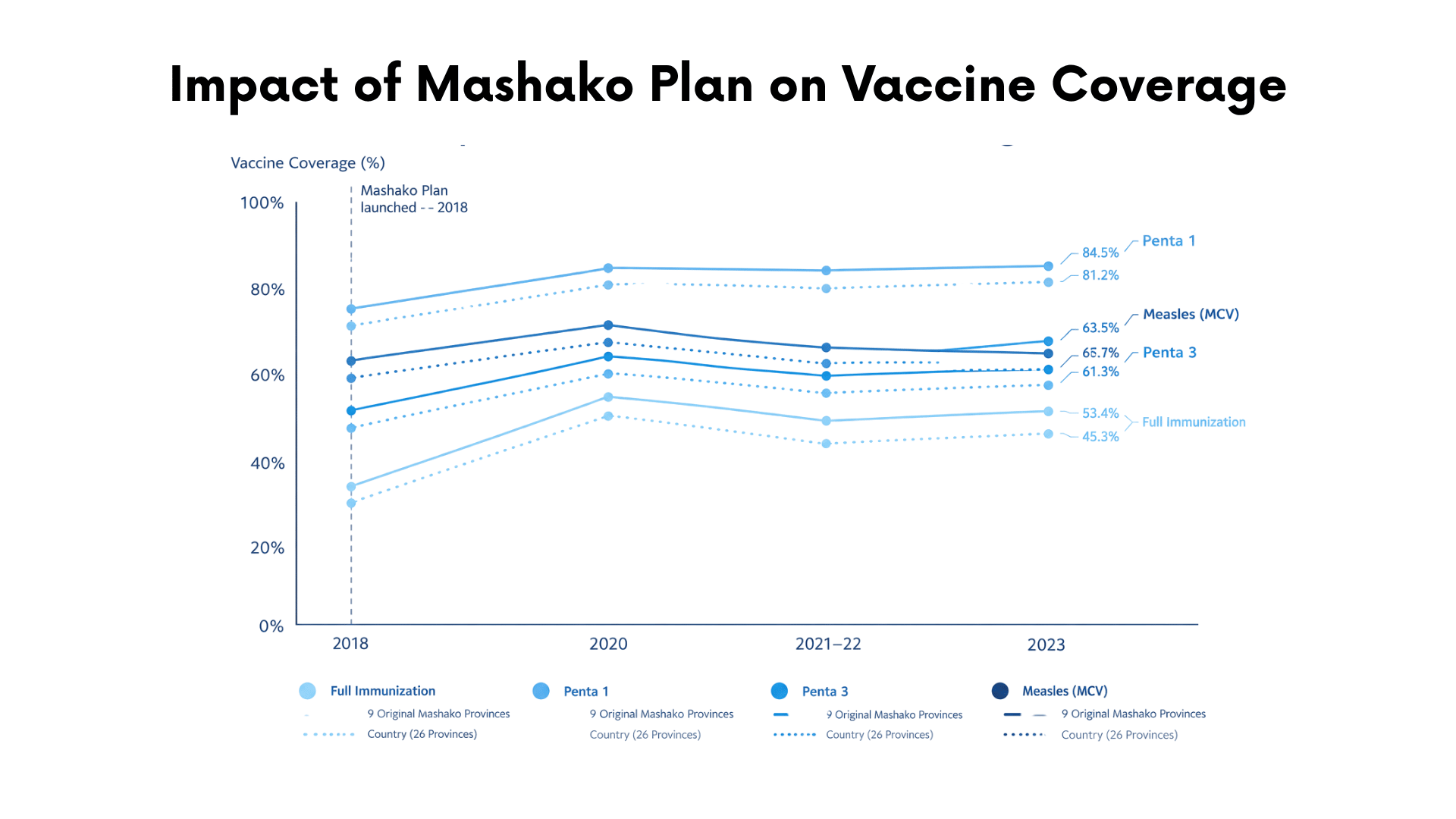
The primary indicator of program success is increased vaccination coverage. After program implementation in the nine provinces, overall vaccine coverage increased from 30% in 2018 to 56% in 2020.221 During this same span, vaccine coverage in the country overall increased from 35% to 53%.222 One particular vaccine, Penta3, provides protection against five major infectious diseases: diphtheria, tetanus, pertussis, hepatitis B, and Haemophilus influenzae type B.223 In the nine provinces, delivery of the Penta3 vaccine increased from 7.8 million doses in 2018 to 11.4 million in 2019.224 Overall, in a period of 18 months, 360,000 additional children achieved full vaccination as a result of the Mashako Plan.225 Progress was temporarily halted during the COVID-19 pandemic because use of health services, including vaccination, decreased, resulting in a nationwide vaccine coverage rate of 41%.226 However, by 2022, the Mashako Plan 2.0 had been expanded to cover all provinces, and overall vaccine coverage increased to 45% by 2023.227
Gaps
The Mashako Plan has led to improvements in vaccine coverage in the DRC, but significant gaps remain. In 2024, 19.5% of one-year-old children had not received any vaccinationsVaccination exposes the immune system to a pathogen’s unique molecular signatures, prompting the body to prepare to attack the pathogen before exposure occurs.30, up from 16.8% in 2020, making the DRC one of the highest zero-dose countries in the world.228 Additionally, 38.3% of one-year-old children were fully vaccinated in 2024, a decrease from the 41.5% in 2021.229 The 2024 percentages amount to more than 750,000 one-year-old children who have not received any vaccinationsVaccination exposes the immune system to a pathogen’s unique molecular signatures, prompting the body to prepare to attack the pathogen before exposure occurs.30 and an estimated 1.3 million one-year-old children who have received at least one but not all vaccinations.230 Vaccine coverage also varies greatly between provinces, and the percentage of zero-dose children ranges from 2.4%–62.4%. These data indicate unequal distribution of resources across the country.231
Though the survey has tracked vaccine distribution nationwide, the Mashako Plan’s impact on direct measures of infectious disease (prevalence, incidenceThe number of new cases of a disease that begin during a certain period. Incidence is often expressed as a rate (e.g., number of new cases per 1,000 individuals).15 Contrast with prevalence., mortality rateThe number of deaths (usually per 1,000 people) resulting from a specific cause, such as a disease.21, DALYs) has not been published. In general, research indicates that increased vaccination decreases the incidence of infectious diseases, but determining the Mashako Plan’s effectiveness in this area requires collecting data on the incident rates for which the Mashako Plan promotes vaccination.
Additionally, the program faces challenges regarding program funding and efficiency. Since 2021, foreign aid in disease prevention in the DRC has declined, challenging the long-term stability of the Mashako Plan.232 When a health center receives doses of a vaccine, often only a fraction are usable, because of gaps in staff training, insufficient resources, and poor organizational infrastructure. Furthermore, the national digital database only collects data from the central vaccine warehouse, not provincial health zones and health centers, complicating the collection of data on and monitoring of vaccinationsVaccination exposes the immune system to a pathogen’s unique molecular signatures, prompting the body to prepare to attack the pathogen before exposure occurs.30.233 These factors continue to undermine the effectiveness of routine immunization efforts, such as the Mashako Plan, in the DRC. Consequently, the DRC has yet to reap the full benefits of vaccination in combating infectious diseases.