
Risky Sexual Behaviors Among Emerging Adults in the United States

Photo from Unsplash
Viewpoints published by Ballard Brief are not necessarily endorsed by BYU or The Church of Jesus Christ of Latter-day Saints.
Summary+
Risky sexual behaviors are becoming increasingly normalized among emerging adults in the United States. These behaviors and ideologies have emerged mainly from inaccurate depictions of sexuality in sexual mediaNonexplicit sexual messages located in everyday media such as television, movies, music, social media, billboards, and literature. and pornography. The issue is further perpetuated by the lack of standardized US curriculum on sexuality and the consequences associated with risky sexual behaviors. Some of these consequences include physical and psychological harm, increased risk of sexual violence, and negative effects on marital satisfaction. Programs such as Fight the New Drug are working to mitigate these negative outcomes by raising awareness of how sexual media and pornography consumption can affect one’s attitudes and decisions.

By Kaitlyn Strong
Published Fall 2026
Special thanks to Alisa Funke for editing and research contributions.
Key Takeaways+
- 77% of respondents in a national study reported having engaged in sexual activities by age 20.1
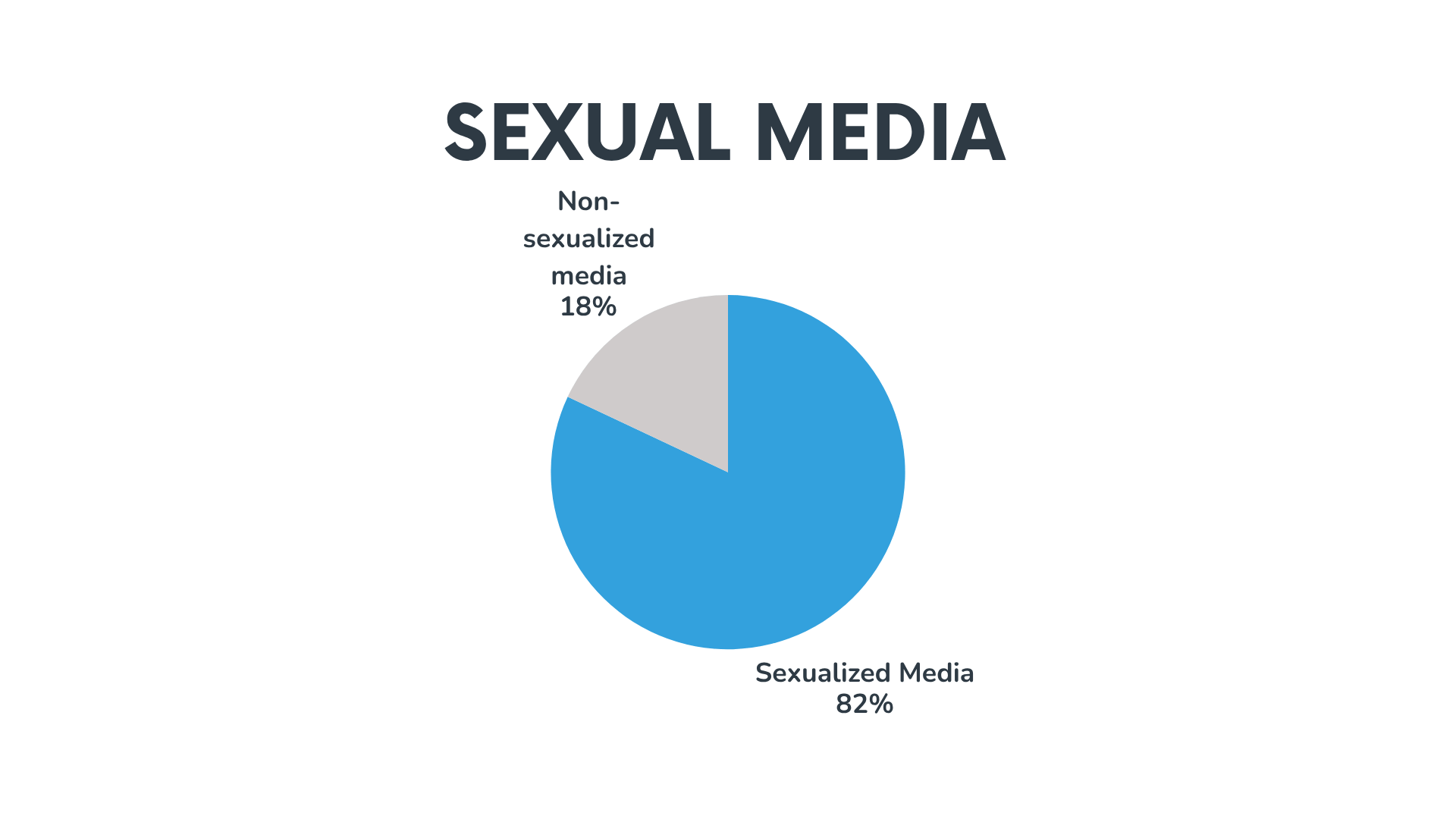
- A 2019 meta-analysis assembled findings from 59 different studies and found that 81% of modern movies and 82% of modern television programs portray sexual acts.2
- A 2008 study of 813 college-age participants found that two-thirds of men (67%) and one-half of women (49%) felt that pornography and consistent use was completely acceptable.3
- A 2016 study found that 80% of 13,778 participants who engaged in aggressive sexual behaviors—including choking, slapping, and pushing—engaged with pornography multiple times a week.4
- Between 2015 and 2019, only half of adolescents aged 15–19 (43% of young women and 57% of young men) reported receiving any information about contraceptives prior to having sex.5
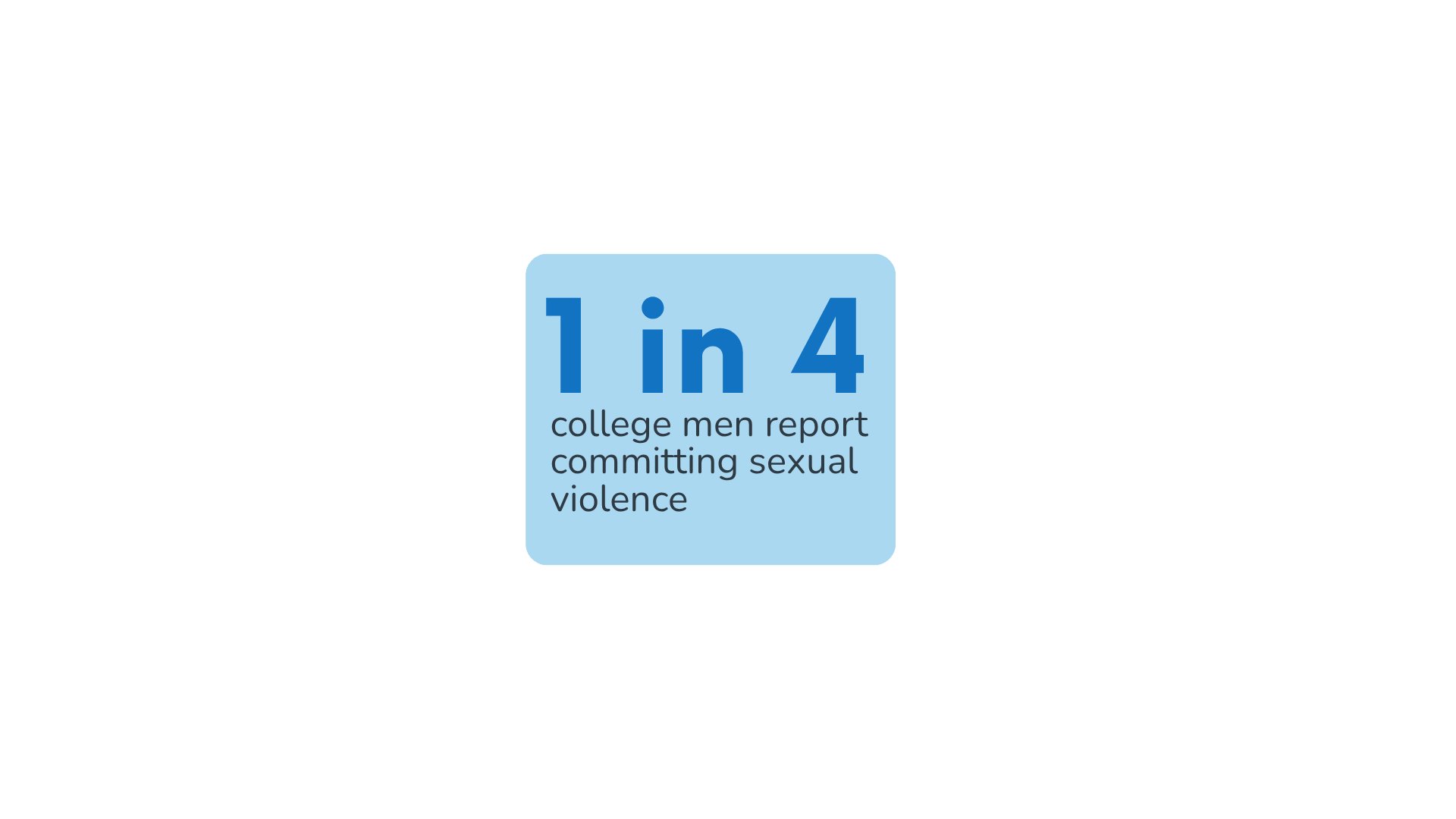
- One in four men on college campuses self-reported having committed sexual violence at any point.6
Key Terms+
BDSM—Acts of bondage, discipline, dominance and submission, or sadism and masochism during sexual activity.7
Emerging adults—Persons between the ages of 18 and 29.8
National standards for sex education—Standards that guide evidence-based, age-appropriate teaching on human development, relationships, sexual health, and sexual behaviors in public schools.9
Pornography—Explicit depictions of sexual activity in media, primarily videos.10
Sexting—The sending or receiving of sexually explicit messages, images, or videos by means of the internet or smart device.11
Sexual media—Nonexplicit sexual messages located in everyday media such as television, movies, music, social media, billboards, and literature.12
Sexual scripts—Socioculturally learned guidelines that influence one’s sexual values and the way one behaves sexually. Examples include perceptions or opinions regarding casual sex, premarital sex, sex with multiple partners, gender dynamics, and power dynamics between sexual partners.13
Sexual violence—Any sexual act or attempt to obtain a sexual act without consent, including harassment, assault, abuse, or exploitation.14
Unprotected sex—Sex performed without the use of contraceptives, such as a condom or birth control.15
Context
Q: What are risky sexual behaviors?
A: For the purposes of this brief, risky sexual behaviors are defined as sexual behaviors or practices associated with documented physical, mental, emotional, or relational harm. Such behaviors include premarital sex, sleeping with strangers, having multiple sexual partners, unprotected sex, rough sexual activities (e.g., choking, slapping, pushing, BDSMActs of bondage, discipline, dominance and submission, or sadism and masochism during sexual activity., etc.), or having sex while drunk or high.16 Despite varying social perspectives on these categories, all these behaviors are defined as “risky” in accordance with the substantial peer-reviewed evidence identifying their associated harmful impacts. For example, engaging in sex prior to marriage—especially with multiple partners—has been found to be a relevant predictor of divorce.17 Although many have tried to minimize this correlation based on alternative predictors such as childhood values and religious affiliation, the evidence supporting such explanations remains limited relative to the evidence linking premarital sex to divorce.18
Risky sexual behaviors can also be both physically and psychologically dangerous. Most risky sexual behavior leads to a higher risk of contracting a sexually transmitted infection (STI) or sexually transmitted disease (STD).19 The most common STIs or STDs in the United States include chlamydia, trichomoniasis, herpes simplex virus (HSV), human immunodeficiency virus (HIV), and human papillomavirus (HPV).20 In 2021, researchers estimated that one in four students will contract an STI during their time in college as a result of sexual activity.21 Research has additionally found a strong correlation between an individual’s number of sexual partners and likelihood of struggling with substance abuse later in life, with the association being strongest for women who were aged 18–20 at first sexual encounter.22 Beyond physical consequences, risky sexual behaviors have also been linked to significant psychological harm. Teenagers and emerging adultsPersons between the ages of 18 and 29. in the US who engaged in risky sexual behaviors have been found much more likely to report symptoms of depression and suicidal ideation.23 Although many of these sexual behaviors are socially normalized, the physical and psychological consequences examined throughout this brief will serve to illustrate why they warrant classification as “risky.”
Q: How have sexual attitudes among young adults changed over time?
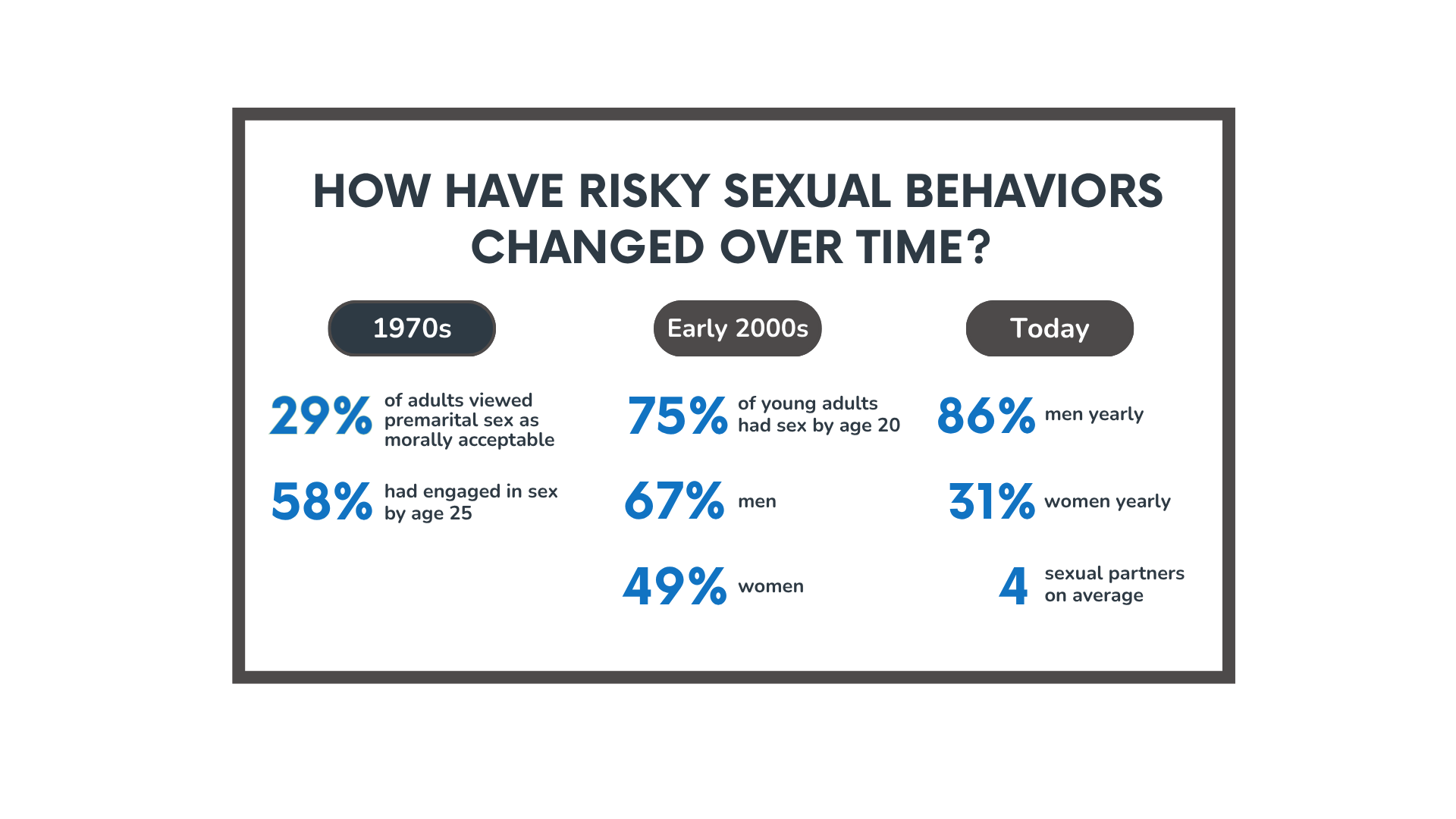
A: The 1960s and 1970s are widely regarded as introducing an era of sexual revolution in the United States.24 The invention of reliable contraceptive technology in the early 1960s significantly reduced the risks of premarital sex, thus shifting national sexual attitudes and behaviors.25 A survey of premarital sexual behavior and acceptability was given to a group of college-aged women in both 1958 and 1968, providing insights into the early effects of the sexual revolution. Researchers found that while instances of premarital sex were greater in 1968 than 1958, the most significant difference in the two surveys was the substantial decrease in the number of women who reported feeling they had gone “too far” sexually with their partner.26 A longitudinal study of 33,380 adults tracked shifting attitudes toward premarital sex over four decades, finding that 29% of individuals surveyed in the 1970s believed premarital sex was morally acceptable, compared to 58% of participants surveyed in 2012.27Together, these findings reflect how the sexual revolution fundamentally transformed Americans’ perceptions of the relationship between sex, morality, and marriage.
This shift in attitudes has only become more permissive since the 1960s, with contemporary attitudes toward premarital sex markedly more tolerant than those of even a generation ago. Prior to the sexual revolution, marriage was the only socially acceptable context for sexual expression; in the decades since, marriage is no longer a prerequisite for sexual activity, with marriage itself increasingly viewed as optional rather than a social expectation.28 A study conducted in 2019 by the Pew Research Center found that over 70% of adults aged 18–29 considered premarital sex acceptable.29 Sexual exploration, or the personal process of understanding one’s own body and sexual desires, boundaries, and identity, has thus become normalized, particularly among emerging adultsPersons between the ages of 18 and 29. for whom it serves as a means of social connection and self-discovery.30

Photo from Unsplash
The advancement of technology additionally shifted societal views toward pornographyExplicit depictions of sexual activity in media, primarily videos. by making it significantly more accessible and discreet. In previous generations, access to sexual mediaNonexplicit sexual messages located in everyday media such as television, movies, music, social media, billboards, and literature. and pornography was limited to the physical options of adult stores, magazines, books, and movies, and being caught with such material carried public shame and social stigma.31 Over the past several decades, pornographic media has migrated from physical formats to digital platforms, with internet and smartphone access transforming what was once a public and stigmatized act of consumption into a private, on-demand experience.32 In 2021, researchers found that 98.2% of pornography was being accessed through smart devices—69.4% through cell phones, 15.2% through laptops, 7.3% through desktops, and 6.3% through tablets.33 The rise of discreet, instantaneous access to pornography has contributed to a societal shift in attitudes toward its consumption, diminishing the social stigma. A 2008 survey of college-aged participants found that two-thirds of men (67%) and one-half of women (49%) felt that pornography and its consistent consumption was completely acceptable.34 By 2018, an additional study reported that 59% of emerging adultsPersons between the ages of 18 and 29. aged 18–34 considered pornography consumption to be morally acceptable.35 Pornography consumption has also been linked to shifting perceptions of sexual relations, as evidenced by a longitudinal study spanning 1974–2010 that found that men who consumed pornography held more favorable attitudes toward other risky sexual behaviors, including having multiple sexual partners and participating in extramarital sex and transactional sex.36 The change in societal attitudes toward sexual expression, compounded with the increase in privacy afforded by technology, has reduced the likelihood of experiencing social ridicule for engaging in risky sexual behaviors.
Q: How prevalent are risky sexual behaviors among emerging adults currently?
A: As societal attitudes toward premarital sex have shifted, engagement in risky sexual behaviors among emerging adultsPersons between the ages of 18 and 29. has become increasingly common. One survey in 2002 found that 75% of its emerging adult respondents reported engaging in premarital sexual activities by the age of 20.37 A 2021 study added to the discussion, reporting that modern adults have an average of 4 different sexual partners during the ages 20–24 years old, averaging around 1 new sexual partner per year.38 Such trends suggest that the normalization of premarital sex has made it the most prevalent risky sexual behavior among emerging adults, while also lowering the perceived risk of engaging in other risky sexual behaviors.39
This diminishing of perceived risk in sexual behaviors among emerging adults is most evident through their engagement in intercourse without adequate protection. Among 30,568 sexually active college students aged 18–24, a recent study reported that 12% used no contraceptive method whatsoever at their last act of vaginal sex. Of those who did use some form of protection, external condoms were the most common method (50%), followed by birth control pills (39%), withdrawal (21%), an IUD or implant (18%), and fertility awareness (5%).40 National survey data on all adults aged 18–24 additionally found that, on average, between 48% and 66% did not use a condom at their last vaginal intercourse.41 Broader data from a 2013 meta-analysis of adults aged 18–44 found that only 34% used a condom at their most recent sexual encounter, though this figure likely underestimates condom use among the emerging adult population specifically, as rates of condomless sex tend to increase with age and within committed relationships.42 However, beyond the risk of an unwanted pregnancy, condomless sex significantly increases the risk of exposure to STIs and STDs.43 One study found that women who participated in unprotected sexSex performed without the use of contraceptives, such as a condom or birth control. were 4.2 times more likely to report an STD than women who always used protection.44 Although representative of Portuguese emerging adultsPersons between the ages of 18 and 29. rather than American, a 2024 study of adults aged 18–29 in Portugal further found that condoms were used in only 37% of vaginal sexual encounters overall when assessed across an entire month of sexual activity rather than a single encounter.45 These findings suggest that emerging adults frequently endanger their physical well-being as they regularly engage in unprotected and inconsistently protected sex.
Sexual digital communication, or sextingThe sending or receiving of sexually explicit messages, images, or videos by means of the internet or smart device., has become increasingly prevalent, largely due to the ease of immediate social connectivity through modern technology. In 2023, researchers collected testimonials from 2,828 young adults in the United States and Canada and found that 81% reported having sexted in their lifetime.46 A 2020 meta-analysis of 18,122 young adults revealed that, on average, 38% had sexted someone else, 42% had received a sext message, and 48% had both sent and received sext messages.47 The rise of digital communication has thus been correlated with significant rates of sexually explicit interactions among emerging adultsPersons between the ages of 18 and 29..
Lastly, assault and coercion—sexual behaviors that put both parties at high risk of long-term repercussions—are prevalent among emerging adults and have increased within the last 30 years. In a longitudinal study conducted to measure sexual perpetration of college students, researchers found that 5% of males reported perpetrating unwanted sexual actions in 1985; that number rose to 13% in 2015.48 Additionally, in 1987, 28% of college women reported experiencing a completed rape at least once in their lifetime, which rose to 33% in 2015.49 Another study of gender-based violence sampled 25,000 college men and found that 29% reported carrying out unsolicited sexual behaviors and 7% reported having committed rape.50 It is worth noting that these figures likely understate the true scope of the issue; research on the underreporting of sexual abuse finds that offenses are consistently underreported, as perpetrators commonly deny or minimize their behavior and victims are often reluctant to disclose or acknowledge the experience.51 Taken together, the data demonstrates that emerging adultsPersons between the ages of 18 and 29. today engage in a wide range of risky sexual behaviors, each carrying its own set of consequences for this population’s health and wellbeing.
Q: Which demographics among emerging adults are most likely to participate in risky sexual behaviors?
A: While risky sexual behaviors are common among emerging adultsPersons between the ages of 18 and 29. broadly, these behaviors often vary among emerging adults of different genders and socioeconomic status. In 2023, national research conducted by the Centers for Disease Control found that by the age of 20, 79% of females and 77% of males had engaged in sexual intercourse.52 Another 2023 study surveyed participants aged 15–49 and discovered that 41% of females and 39% of males reported having engaged specifically in vaginal intercourse during their teenage years.53 These narrow margins suggest that engagement in risky sexual behavior is not strongly divided across gender lines.
Certain sexually risky behaviors, however, are more common among men. For example, men are more likely than women to view sex on a first date as acceptable behavior and to report having more sex partners over their lifetime.54 Casual sexual hookups with strangers are also more common among men, who reported averaging 3.40 casual partners—nondating partners—per year, whereas women reported 2.33 casual partners during the same time.55 Likewise, a 2009 survey found that 29% of men compared to 14% of women reported that their most recent sexual encounter was with a casual partner.56 These findings suggest that gender shapes not whether emerging adults engage in risky sexual behavior, but which specific behaviors they are more prone to participate in.
Emerging adultsPersons between the ages of 18 and 29. from low-income households face an elevated risk of engaging in risky sexual behaviors.57 In 2021, researchers found that students in low-income high schools were 1.4 times more likely to be sexually active than those in high-income schools.58 A later study discovered that emerging adults from low-income homes were less likely to use condoms and other contraceptives.59 This may be due to the difficulty those in low-income communities face in accessing preventive education and fertility healthcare.60 Additionally, a study conducted in 2012 reported that emerging adults in low-income housing had higher percentages of STDs and STIs than their middle- and high-income counterparts.61 One study specifically found that impoverished young adults aged 18–27 had a 15% STI positivity prevalence compared to only 5% among high-income young adults.62 Structural and economic barriers leave low-income emerging adults disproportionately exposed to the harmful repercussions of risky sexual behaviors—vulnerabilities that may compound and lead down even higher-risk paths.
The pornographyExplicit depictions of sexual activity in media, primarily videos. industry and sex work are among these elevated-risk avenues, involvement in which is much more likely among emerging adultsPersons between the ages of 18 and 29. from low-income backgrounds. For instance, a 2020 study reported that of women who were involved in sex work, 73% did so to fuel substance use, 36% to meet basic necessities, and 17% to support children or other family members, revealing that engagement in risky sexual behaviors may sometimes be a matter of survival rather than choice.63 Another study where 250 women were interviewed found that those who entered the sex industry before age 18 were 4.54 times more likely to have experienced homelessness and 3.14 times more likely to have experienced food insecurity.64 Poverty and risky sexual behaviors often interact in a cyclical manner, with economic disadvantage increasing the likelihood of risky sexual behaviors, which in turn can lead to greater financial disparities. Altogether, these patterns demonstrate that an emerging adult’s experience with risky sexual behaviors is influenced in part by gender and socioeconomic status.
Contributing Factors
Sexual Media
Sexual content in modern media has strongly influenced how young people understand relationships and sexual behavior, shaping what emerging adults expect from real-life sexual encounters and how they perceive the risks involved.65 Overall, media—such as television, movies, magazines, literature, music, social media, and billboards—has become more overtly sexual in recent decades.66 General sexual mediaNonexplicit sexual messages located in everyday media such as television, movies, music, social media, billboards, and literature. exposure is distinctive from pornographyExplicit depictions of sexual activity in media, primarily videos. consumption, as pornography is explicit content created specifically to elicit arousal, whereas sexual themes woven into mainstream media are broadcast openly and indiscriminately, allowing many of these messages to become societal norms.67 Sexual media often portrays sex as casual and risk-free, with depictions of risky sexual behaviors influencing real-life practices such as unprotected sexSex performed without the use of contraceptives, such as a condom or birth control., casual sex, and diminished sexual self-restraint.68

Photo from Unsplash
Exposure to sexual content in media has significantly shaped how emerging adultsPersons between the ages of 18 and 29. perceive sexual activity and relationships.69 A large-scale content analysis of 959 television programs aired during 2005—excluding daily newscasts, sports, and children’s shows—found that 70% of programs contained sexual content, yet only 14% of shows with sexual messaging mentioned sexual risk or responsibility.70 Another study reviewing 87 of the most popular movies as of 2003 found that 32% depicted sexual scenes, yet across all of those scenes, only one included any suggestion of contraceptive use, and none showed any sex-related consequences such as STIs/STDs or unwanted pregnancy.71 The same research noted that promiscuous behavior can often be glorified in media dialogue, while celibacy and abstinence may be mocked or dismissed.72 Additionally, sexual messaging is not limited to visual depictions in film and television; a 2005 study surveyed 12–14 year olds on their favorite music and analyzed the 67 most-reported CDs, finding that while 50% of lyrics across these CDs involved relationships, 40% of those lyrics included sexual material, and only 6% of sexual content delivered promoted safe sexual practices.73 An analysis of the 2017 Billboard reported that 28% of songs contained sexually suggestive language.74 Altogether, these patterns suggest that media serves as a primary source through which emerging adultsPersons between the ages of 18 and 29. form their perceptions of sexuality and relationships—more often than not through depictions of risky sexual behaviors.75
Because media portrayals of sex rarely show negative consequences, young audiences incorporate these representations into their own attitudes and experiences, imitating behaviors that media presents as rewarding or consequence-free.76 Social cognitive theory suggests that adolescents learn behaviors by observing models in their environment, including those portrayed in media.77 A study of 1,058 adolescents and emerging adults found that those in the 90th percentile of exposure to sexual television content were twice as likely to initiate early sexual activity compared to those in the 10th percentile.78 Similarly, a 2019 study found that regular viewers of sexualized media were more likely to engage in risky sexual behaviors—including early sexual initiation, premarital sex, one-night stands, sex with multiple partners, and unprotected sexSex performed without the use of contraceptives, such as a condom or birth control.—and more likely to contract STIs.79 A longitudinal study conducted in 2012 of 1,228 young adults who viewed sexual mediaNonexplicit sexual messages located in everyday media such as television, movies, music, social media, billboards, and literature. discovered that 63% of participants had engaged in sex by their late adolescence, and 25% had engaged at least once in unprotected sex.80 This research demonstrates a consistent link between sexual media exposure and increased engagement in risky sexual behavior among young consumers.
Modern media frequently glorifies hookups, appealing to viewers by depicting them as common, exciting, and sexually freeing.81 Hookups represent a risky sexual behavior that is particularly common among modern emerging adultsPersons between the ages of 18 and 29.. In this brief, hookups are defined as sexual encounters ranging from kissing to sex between two individuals who are not dating and share no commitment to each other afterward.82 Television depictions of characters drinking, partying, and hooking up with strangers, acquaintances, and friends reinforce the impression that such lifestyles are normal and desirable for emerging adults.83 A 2016 study found that 35% of sexual portrayals on television were between people who were not in a committed relationship and that emerging adults who watched such portrayals of casual sex and believed these portrayals to be realistic were more accepting of casual sex than those who did not watch such media.84 Sexual mediaNonexplicit sexual messages located in everyday media such as television, movies, music, social media, billboards, and literature. also reinforces gendered sexual scriptsSocioculturally learned guidelines that influence one’s sexual values and the way one behaves sexually. Examples include perceptions or opinions regarding casual sex, premarital sex, sex with multiple partners, gender dynamics, and power dynamics between sexual partners., highlighting men as inherently sex-driven and sexual initiators, and women as seekers of male sexual attention.85 This normalization of frequent hookups and minimal responsibility has translated into widespread support for and engagement in hookup behaviors. Research from 2021 indicated that 70%–85% of emerging adultsPersons between the ages of 18 and 29. reported having had at least one hookup.86 A separate 2016 study found that between 60% and 85% of college men and 50% and 85% of college women had engaged in a hookup.87 Part of the allure toward hookup behaviors is their allowance of individuals to experience sexual pleasure while remaining emotionally uninvolved, thus avoiding the risk of emotional attachment and pain.88 Emerging adults also tend to overestimate—furthering their societal glamorization driven by popular media—how common hookups truly are. A 2010 study found that first-semester college students predicted 85% of their peers were hooking up, when in reality only 70% of their peers were engaging in casual sex.89 In 2012, a study of 274 college-aged participants reported that 63% had engaged in 3 or more hookups during the school year.90 Altogether, these patterns reveal that sexual messages embedded in media do far more than entertain, actively shaping how emerging adults understand what is safe and normal—and even expected—when it comes to sexual relations, often at the expense of accuracy and necessary caution.
Pornography
Beyond mainstream media, the widespread use of pornographyExplicit depictions of sexual activity in media, primarily videos. and its more explicit content represents a distinctly influential contributor to the rise of risky sexual behaviors among emerging adultsPersons between the ages of 18 and 29.. A 2018 study found that Pornhub was accessed by around 81 million visitors per day and had 28.5 billion visits in a year.91 Modern and growing engagement with pornography has raised the question whether such consumption has an effect on emerging adults and their related choices regarding risky sexual behaviors. A 2025 study discovered that engagement with pornography leads to the erosion of the prefrontal cortex in the brain, therefore affecting morality, willpower, and impulse control.92 This alteration in the brain is similar to those seen in substance use, suggesting that pornography has addictive properties that affects dopamine, a neurotransmitter in the brain, which could significantly shape sexual attitudes and behaviors.93 Given the widespread consumption of pornography and the potential to become addicted to this explicit content, its influence on consumers—especially impressionable emerging adults still forming their sexual expectations—warrants examination.

Photo from Unsplash
PornographyExplicit depictions of sexual activity in media, primarily videos. often portrays casual sex as an expected and encouraged sexual script for its viewers. A 2012 article found that the majority of pornographic media depicts sexual acts between two people who are newly acquainted, establishing the script that noncommittal sex with strangers is socially acceptable and common.94 A survey study in 2013 noted that women’s attitudes regarding casual sex were more permissive and positive if they were consumers of pornography.95 The study found that the women who viewed pornography had more sexual partners and were more likely to have positive opinions about extramarital sex.96 Similarly, a study in 2014 found that out of 1,916 male participants consuming pornography, 57% of them felt that casual sex was morally acceptable.97 Overall, these findings indicate that pornography-shaped sexual scriptsSocioculturally learned guidelines that influence one’s sexual values and the way one behaves sexually. Examples include perceptions or opinions regarding casual sex, premarital sex, sex with multiple partners, gender dynamics, and power dynamics between sexual partners. normalize risky sexual behaviors, meaningfully influencing emerging adults’ attitudes and choices in their sexual lives.
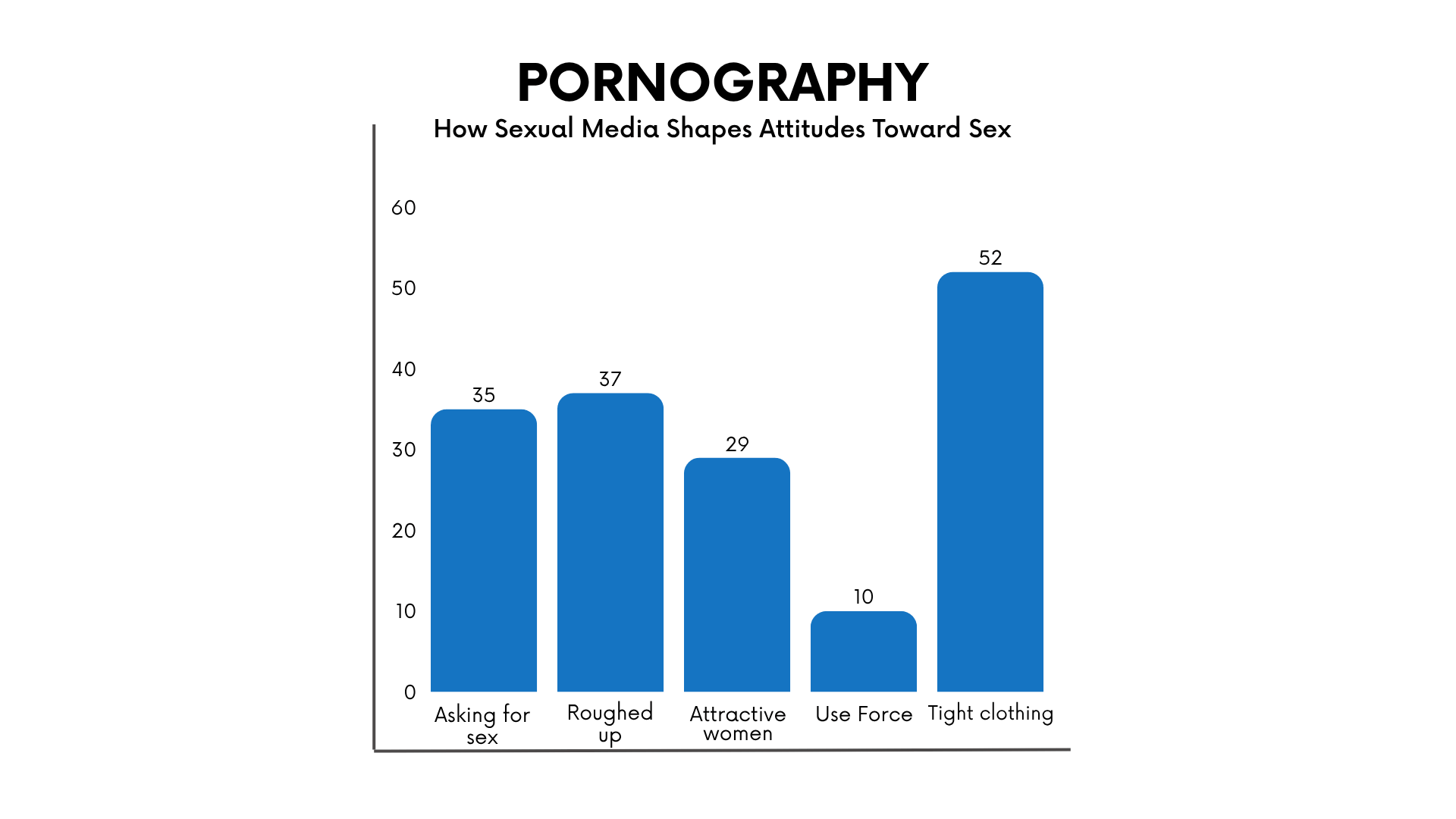
In addition to shaping sexual scripts related to who emerging adultsPersons between the ages of 18 and 29. have sex with, pornographyExplicit depictions of sexual activity in media, primarily videos. constructs scripts about what role each partner should play during sexual activity. Pornography specifically reinforces gendered scripts among emerging adults, often portraying men as aggressors and women as the targets of aggression; a content analysis of best-selling pornographic films found that 88% contained physical aggression, with men being the aggressors 70% of the time and women conveying pleasure in response.98 Gendered scripts frequently cast women as existing to satisfy men’s sexual desires, as pretending they do not want sex but secretly wanting to be coerced into sex, or as signaling availability or consent if publicly displaying attractiveness.99 In 2016, a random sample of 187 college-aged men who consumed pornography to any degree resulted in strikingly high reports of beliefs in such scripts: 52% agreed that women who dressed certain ways were asking for sexual advances, 37% that women enjoyed being roughed up during sex, 35% that women unconsciously hoped to be persuaded to have sex, and 10% that using force could sexually stimulate a woman acting coldly toward them.100 These false and distorted scripts regarding sex and consent can be harmful when acted upon and translate into real-world sexual violenceAny sexual act or attempt to obtain a sexual act without consent, including harassment, assault, abuse, or exploitation. among emerging adults.
Beyond social scripts, however, pornographyExplicit depictions of sexual activity in media, primarily videos. also normalizes violent sexual acts, with scenes depicting behaviors ranging from hair pulling, spanking, hitting, choking, and other physically degrading activities to even sexual assault or rape in ways that frame such actions as appealing rather than violating.101 A 2020 meta-analysis covering over 20,000 participants found that pornography consumption was frequently correlated with sexual aggression, with violence events increasing for men and women alike, although men were the predominant perpetrators.102 A 2016 study found that out of 13,778 participants who engaged in excessive or aggressive sexual behaviors, 80% interacted with pornography multiple times a week.103 A 2021 study likewise found that men who were sexually aggressive were 28 times more likely to report excessive rather than mild pornography consumption.104 Taken together, these findings suggest that pornography does not simply reflect existing attitudes about sex, but actively shapes them, normalizing sexual advancements, coercion, and violence in ways that extend well beyond a screen.
Lack of Sexual Education
Inadequate or inconsistent sex education represents another significant contributor to emerging adultsPersons between the ages of 18 and 29.’ engagement in risky sexual behaviors. Sex education refers to instruction that teaches youth and emerging adults about their bodies, romantic and sexual relationships, safe sex practices, contraceptives, communication and consent, and STDs and STIs.105 Sex education in schools was first introduced in 1912, but it was not until a sudden national increase in HIV and AIDs in the 1980s that many states began requiring it.106 Today, all states’ public schools are involved in sex education in some capacity, though only 30 states plus the District of Columbia actually require that sex education be taught as part of the regular curriculum.107 Providing sex education to all students matters because studies have shown that adolescents and young adults who receive any form of sex education—whether in school or elsewhere—are less likely to engage in risky sexual behaviors.108 A 2012 study of 4,691 participants aged 15–24 found that 86%–88% of those who did not receive sexual health education engaged in vaginal intercourse before the age of 20, whereas a 10% decrease of 77%–78% of those who did receive sexual education reported the same.109 These findings suggest that comprehensive sex education plays an important role in emerging adults’ ability to navigate and understand risky sexual behaviors.
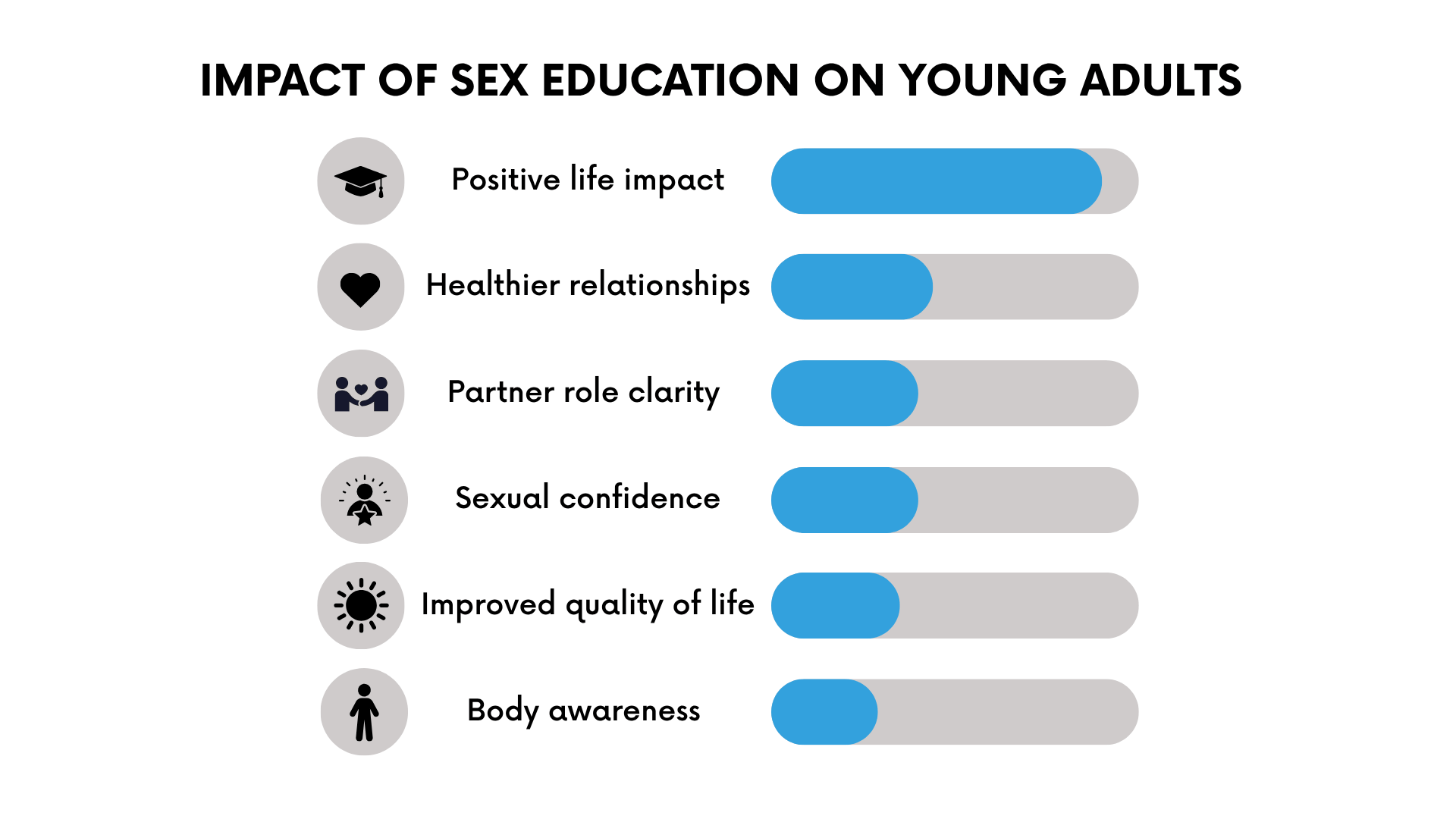
Although all states claim to offer sex education in some way, inadequacies in what is actually provided across US public schools are highlighted by young Americans’ reports of lacking the comprehensive information they desire. Surveys have found that the majority of students want to receive sex education that is more holistic, positive, and comprehensive.110 In 2025, the Kinsey Institute found that 90% of 3,895 emerging adult participants reported that additional sex education would have made a positive impact in their life.111 Participants identified specific benefits, with 44% stating that it would have helped them have healthier romantic relationships, 40% that they would have had better sexual confidence, 40% that it would have helped them better understand how to be a good sexual and romantic partner, 35% that healthy sex education would have increased their overall quality of life, and 29% that it would have helped them understand their own body better.112 The clear demand and need for improvements in healthy sex education is met with the issue of what type of sex education program works best, a question that remains the subject of considerable debate in the United States.113
There is debate surrounding whether abstinence-only sex education or comprehensive sex education is best for the prevention of risky sexual behaviors during adolescence.114 Between 1997 and 2008, the US government poured $1.5 billion into education teaching abstinence until marriage, and any details of contraceptives were excluded.115 There is often concern that talking to adolescents about sex will make them want to have sex; however, studies have shown that abstinence-only education had no effect on delaying initiation of sex, age of first sexual experience, or number of sexual partners.116 In contrast, comprehensive sex education still encourages abstinence until marriage while also equipping students with information on contraceptive use and STIs/STDs to safeguard them if they do engage in premarital sex, which proponents argue will have a greater impact on preventing unwanted teen pregnancies than abstinence-only programs.117 A 2008 study examined the success of 32 comprehensive sex education programs and found that 47% of programs delayed the initiation of sex, 29% reduced sex frequency, 46% reduced the number of sexual partners, 47% increased condom use, and 62% reduced sexual risk taking.118 Public opinion reflects this shifting awareness, with only 15% of parents wanting abstinence-only education for their children according to a 2019 nationwide poll.119 Despite ongoing political debate, the evidence increasingly favors comprehensive sex education approaches as abstinence-only programs have shown little measurable effect on delaying or reducing risky sexual behaviors compared to comprehensive programs.
However, shortfalls extend beyond the debate of abstinence-only versus comprehensive sex education, with many students simply not receiving adequate sex education at all. A nationally representative study found that only half of young people in the United States receive sex education that meets minimum national standards, leaving them without many of the health and relational benefits the programs were created to provide.120 National standards include instruction on puberty, abstinence, consensual sex, and STIs/STDs.121 One study found that between 2011 and 2013, 43% of young women and 57% of young men were never provided any information about contraceptives prior to having sex for the first time.122 Due to this lack of comprehensive sex education, many young men and women instead turn to pornographyExplicit depictions of sexual activity in media, primarily videos. and sexual mediaNonexplicit sexual messages located in everyday media such as television, movies, music, social media, billboards, and literature. to fill this educational gap.123 A 2017 UK-based survey of adolescents aged 11–16 revealed that nearly half of respondents who viewed pornography said it had given them ideas about the types of sex they wanted to try, and just over half agreed that repeated exposure had shaped their beliefs about how sex should be conducted. Despite three-quarters of these young viewers recognizing pornography as providing a poor example of consensual or safe sex, 53% of boys and 39% of girls reported belief in pornography as an accurate representation of sex practices, suggesting many adolescents may be internalizing its portrayals as truthful.124 Internalizing pornographic media in these ways and learning how to have sex from the inaccurate and unrealistic portrayals found in pornography lead to increased engagement in risky sexual behaviors. A lack of comprehensive sexual education during adolescence in the United States is thus a meaningful contributor to engagement in risky sexual behaviors among modern emerging adultsPersons between the ages of 18 and 29.—one that can be easily repaired.
Consequences
Health Repercussions
Physical Health
Some risky sexual behaviors can result in the contraction of STIs or STDs, such as chlamydia, gonorrhea, and HPV, which can have serious and lasting health effects. Untreated infections can lead to pelvic inflammatory disease, infertility, chronic pain, and an increased risk of acquiring HIV.125 Emerging adults are more likely than other age groups to engage in risky sexual behaviors—such as having multiple sexual partners and using inconsistent protection during sex—contributing to higher rates of infection.126 In 2021, researchers reported that emerging adultsPersons between the ages of 18 and 29. make up only 25% of sexually active individuals in the United States, yet they account for approximately 50% of all new STI cases.127 According to another 2021 study, one in four college students will contract an STI during their time in school.128 Taken together, it is evident that higher engagement in risky sexual behaviors leaves emerging adults disproportionately affected by sex-related illnesses.
Rates of specific STIs and STDs reveal just how sharply the burden of these illnesses has grown in recent years with the emerging normalization of risky sexual behaviors. The most commonly examined STIs and STDs are gonorrhea, syphilis, chlamydia, HIV, HSV, and variations or strands of these infections. Between 2014 and 2018, gonorrhea and syphilis infections among people aged 15–54 in the United States increased by 39% and 42%, respectively.129 A study focused on gonorrhea found that between 2013 and 2017, gonorrhea cases increased by 24% among emerging adult women and 52% among emerging adult men.130 Rates of syphilis during the same period increased by 83% among young women aged 15–24 and by 51% among young men.131 Chlamydia, meanwhile, disproportionately affects emerging adult women—although it can be contracted by men—as evidenced through a 2020 study that reported that 68% of all chlamydia cases were women between 15 and 24 years of age.132 These rising infection rates make it clear that STIs and STDs remain a growing concern for emerging adultsPersons between the ages of 18 and 29., one that can be extremely serious as these cases sometimes progress into severe health complications.
STIs and STDs can progress far beyond their initial symptoms and result in serious health complications, particularly when infections go undiagnosed or are not treated promptly. A 2020 study found that 6 million people worldwide are diagnosed with syphilis each year.133 If left untreated, syphilis can turn into neurosyphilis and lead to strokes, dementia, sensory ataxia, and other complications.134 Chlamydia can likewise develop into more serious health conditions, such as pelvic inflammatory disease, which can cause pain and impair women’s ability to conceive; an estimated 2.1–2.4 million US women of reproductive age have been diagnosed with the condition at some point in their lives.135 About 1.5 million women in the United States are infertile, and those who have a history of chlamydia have a 33% less chance of getting pregnant spontaneously than women who have never had chlamydia.136 Men, too, can face fertility problems as a result of improper care of STIs and STDs. A 2021 systematic review found that prolonged exposure to STIs/STDs and lack of treatment can cause conditions such as epididymo-orchitis, prostatitis, or urethritis in men, which in turn can lead to infertility among men.137 These outcomes show that STIs and STDs are far more than a fleeting inconvenience of engagement in risky sexual behaviors, carrying the potential for real and lasting consequences among both men and women, and even leading to lifelong conditions.
Unlike many STIs, HSV is a chronic condition with no current cure, and although the majority of carriers do not suffer physical symptoms, the virus can cause significant long-term health complications.138 HSV can manifest in two ways: the oral form of herpes (HSV-1), which typically causes cold sores around the mouth, and the sexual form (HSV-2), which leads to lesions on the genital area and is primarily transmitted through sexual contact. About 50% of adults in the United States are infected with HSV-1, while 15% of sexually active adults are infected with HSV-2; for both strains, the majority of infected individuals act as asymptomatic lifelong carriers and spreaders of the virus.139 Beyond immediate symptoms, some cases of HSV can cause recurrent infections and serious complications throughout a person’s life, such as repeated keratitis, blindness, encephalitis, and other systemic diseases.140 HSV-2 can also be transmitted to newborns during childbirth, causing major complications; approximately 5 infants out of every 100,000 births in the United States are born with HSV, and 4% of those infections will be fatal despite having been treated.141 The scale and severity of these infections and diseases—from treatable but rising cases of gonorrhea to the lifelong burden of HSV—illustrate that the consequences of risky sexual behaviors can extend far beyond the immediate encounter.
Mental Health
Beyond the physical tolls of risky sexual behavior, emerging adults also confront significant mental health consequences. Certain risky sexual behaviors, such as rough sex, have been shown to have a negative effect on emerging adultsPersons between the ages of 18 and 29.’ mental well-being, contributing to lower self-esteem and higher rates of depression and anxiety.142 Rough sex has become an increasingly prevalent part of modern sexual encounters, particularly among 18- to 29-year-olds, nearly 40% of whom have either been choked or choked someone else during sex.143 A 2022 study found that out of 4,352 undergraduate participants, 34% of women and 6% of men reported having been choked for arousal five or more times in their lives.144 Among women, having been choked more than five times was more associated with reports of experiencing overwhelming anxiety by 76%, loneliness by 95%, and debilitating depression by 97% within the 12 months prior to the survey.145 This study also found that 40% of men who had ever been choked reported feeling depressed at least 30 days after, and those who had been choked more than five times were 140% more likely to report debilitating depression and 97% more likely to report loneliness during the year before being surveyed compared to men who had never been choked.146 Rough sex, then, is not the harmless thrill it is often perceived as, with data revealing measurable psychological tolls that suggest these negative psychological impacts warrant more public caution and attention than it currently receives.
Beyond rough sex behaviors, casual sexual activity, such as hookups, has also been linked to mental health challenges among emerging adultsPersons between the ages of 18 and 29.. A 2025 study found that out of 49 emerging adult participants, over half reported at least some subsequent feelings of shame, guilt, and lower self-esteem after a hookup.147 A similar study from 2014 found that college students who had engaged in casual sex within the prior 30-day period reported feeling lower levels of self-esteem, life satisfaction, and happiness compared to those who had not engaged in casual sex.148 Researchers have not yet identified clear causal explanations for these correlations, but research has consistently documented a strong relationship between decreased mental health outcomes and engagement in risky sexual behaviors. Such mental health hardships may even lead to dual physical-mental risks, as one study highlighted strong associations between one’s number of sexual partners and struggles with substance abuse later in life, especially women who were aged 18–20 when they first had sex.149 Despite the normalization of risky sexual behaviors among emerging adults, engaging in acts such as rough and casual sex often result in negative psychological outcomes for those involved.
Sexual Assault
Risk of Sexual Victimization
Emerging adulthood is a developmental period marked by increased independence and exploration, and research consistently shows that engagement in risky sexual behaviors during this time heightens vulnerability to sexual violenceAny sexual act or attempt to obtain a sexual act without consent, including harassment, assault, abuse, or exploitation..150 A study from 2020 stated that emerging adultsPersons between the ages of 18 and 29. specifically are the most at risk population for experiencing sexual violence due to higher participation in risky sexual behaviors.151 A 2016 study found that 78% of sexual assaults occured during casual hookups, and a 2019 study found that over 2% of 7,481 examined hookups involved completed rape.152 A systematic review compiled in 2022 found that 2% of undergraduate students have been choked to the point of unconsciousness at least once in their lifetime.153 A 2025 study found that 47% of participants reported rough sex always being consensual, while over half reported that rough sex acts were at least sometimes nonconsensual, thus crossing the line into sexual assault.154 Perpetrators of sexual assault can be either relationally close or distant to the victim, but they are most commonly acquaintances or friends.155 A 2024 study found that 28% of college women reported their sexual assault perpetrator was an acquaintance, 24% a friend, and 23% someone they had never met.156 Studies have also shown that 50% of alcohol-facilitated college sexual assaults are perpetrated by an acquaintance.157 This data suggests that engaging in risky sexual behaviors increases the risk and likelihood for emerging adults of being victim to unwanted sexual advances.
The risk of being the victim of sexual assault is additionally heightened through risky sexual behavior engagement while intoxicated, as judgment, awareness, and the ability to recognize and resist danger are impaired.158 In 2020, a study found that dating violence was nearly twice as likely to occur when either partner had consumed alcohol.159 Research from 2022 discovered that sexual violenceAny sexual act or attempt to obtain a sexual act without consent, including harassment, assault, abuse, or exploitation. was more likely to occur when women were unmarried, dating around, and engaging in excessive drinking (having 3 or more drinks in one sitting).160 This study reported that around 50% of all sexual assaults experienced by college women involved alcohol.161 According to another study, only 26% of women who experienced rape during a hookup had not consumed alcohol.162 Intoxication during sexual encounters actively increases an individual’s vulnerability to sexual victimization, allowing emerging adultsPersons between the ages of 18 and 29. to be taken advantage of as they riskily engage in the societally normalized behaviors of drinking and hooking up.

Photo from Unsplash
Risk of Sexual Perpetration
Certain risky sexual behaviors—particularly rough sex and BDSMActs of bondage, discipline, dominance and submission, or sadism and masochism during sexual activity.—contribute to emerging adults experiencing as well as perpetrating sexually aggressive behaviors. Research has shown that men are around twice as likely to be the ones who perpetrate rough sex and violent sexual acts compared to women.163 A study conducted in 2025 found that men are most likely to engage in the following rough sexual behaviors: spanking (53%), pulling their partner’s hair (40%), biting (33%), and choking (16%).164 A 2016 survey revealed that a quarter of young adult female respondents reported experiencing fear during sex, particularly when their partner unexpectedly attempted to choke them.165 Rough sex often leads to sexual assault, as it is characterized by violent or aggressive acts that can easily cross the line between wanted and unwanted behaviors. Participants in rough sex may consent at one point, but as the act becomes more painful or dangerous, consent may be withdrawn. According to a 2022 study, men who engage in rough sex are 3–6 times more likely than those who do not to use sexually coercive tactics to obtain unwanted sex from a partner.166 As rough sexual behaviors become normalized, the boundary between consent and assault can become dangerously easy to miss, increasing not only the risk of victimization, but also placing emerging adultsPersons between the ages of 18 and 29. at risk of perpetrating sexual violence.
Sexual violence perpetration—enacting sexual assault, rape, attempted rape, coercive sex, and other nonconsensual sexual behaviors—is a serious concern within the emerging adult population, particularly among men in this age group. In 2021, a study across 32 nationwide college campuses found that one in four emerging adult males self-reported ever having committed sexual violenceAny sexual act or attempt to obtain a sexual act without consent, including harassment, assault, abuse, or exploitation..167 On one college campus, researchers surveyed 1,882 college-aged men and discovered that 6% admitted to committing an attempted or completed rape.168 A meta-analysis of sexual perpetration data from 2000–2017 revealed that around 29% of men on college campuses have engaged in at least one sexual perpetration behavior.169 A 2008 10-year longitudinal study following 778 survey participants initially aged 13–18 found that 2% of females and 3% of males had perpetrated their first act of sexual violence by age 14.170 By the time these participants were 18, an additional 6% of females and 12% of males had committed their first sexual perpetration.171 These findings suggest that sexual perpetration is a common and escalating risk during the emerging adulthood developmental stage, underscoring the need for early, targeted intervention as mindsets regarding sexual assault and coercion become increasingly normalized.
Alcohol use during sex does not cause an individual to be solely more susceptible to sexual victimization; the inhibition of judgment and awareness can equally lead an individual to be the perpetrator of sexual violence.172 While intoxicated, proper decision-making processes are clouded, as is the ability to read social cues and regulate social behavior accordingly.173 A 2020 study found that women are 2.0 times more likely to perpetrate sexual violenceAny sexual act or attempt to obtain a sexual act without consent, including harassment, assault, abuse, or exploitation. when intoxicated, and men 1.4 times more likely to perpetrate sexual violence while using substances.174 Alcohol and drug consumption play a pivotal role in facilitating sexually violent behaviors among emerging adultsPersons between the ages of 18 and 29. as misunderstandings and misevaluations of boundaries are more likely. Altogether, the evidence on both victimization and perpetration highlight how risky sexual behaviors directly contribute to sexual violence vulnerability that places emerging adults at risk on both sides of the encounter.
Decrease in Marital Satisfaction
Although acceptance of premarital sex and cohabitation in the United States is widespread, this modern shift in norms impacts marital outcomes, as engaging in premarital sexual activity has been linked to long-term relationship instability.175 Around 50%–65% of Americans believe that cohabitating before marriage will prepare them for a happier relationship.176 However, researchers have found that engagement in premarital sex, premarital cohabitation, or sex with multiple partners prior to marriage correlates with decreases in marital satisfaction as well as increases in divorce likelihood.177 Research shows that at least 90% of Americans engage in premarital sex, with over half of married adults reporting five or more lifetime sexual partners.178 In 2023, a study found that 35% of men and 33% of women had 2–4 sexual partners, 23% of men and 25% of women reported 5–9 sexual partners, and 22% of men and 23% of women reported having 10 or more lifetime sex partners.179 In this same study, researchers found that marriage satisfaction decreased by nearly 4% and marriage stability—that is, how confident individuals felt that their marriage was not at risk of ending—decreased by nearly 7% with each additional sexual partner.180 A 2024 longitudinal study discovered that individuals reporting 1–8 premarital partners face 64% higher odds of divorce than those with none, and individuals with 9 or more premarital partners face up to 220% higher odds—a pattern that held even after controlling for early-life religiosity, beliefs about marriage, and family background.181
While premarital partner count and sexual activity correspond with higher divorce risk, the inverse also holds true for those who abstain until marriage. Only 10%–20% of married individuals report engaging in sex only with their spouse, and these respondents were 2 times more likely to report high marital satisfaction and 3 times more likely to have never considered divorce than those with prior sexual relationships.182 Individuals who have only had sex with their spouse report a nearly 45% likelihood of high relationship stability and satisfaction levels in marriage, compared to a 25% likelihood for those who have had 5–9 sexual partners, and a 14% likelihood for individuals who have had 10 or more.183 Furthermore, 80% of those who were sexually inexperienced prior to marriage reported 20% higher levels of emotional closeness and satisfaction in their marriages compared to married individuals with past sexual encounters.184 Studies show that couples who wait until marriage to initiate intercourse report 22% less consideration of divorce, 20% higher marital satisfaction, 15% better sexual quality, and 12% better communication.185 Although the exact mechanism behind these trends remains unclear, the data nonetheless consistently points toward sexual restraint before marriage as a protective factor for long-term relationship stability and satisfaction.
Beyond pornography’s role of shaping unrealistic expectations of sexual relations among emerging adultsPersons between the ages of 18 and 29., it also carries measurable costs once in marriage, with couples who frequently view pornographyExplicit depictions of sexual activity in media, primarily videos. reporting significantly lower levels of marital quality and satisfaction.186 A 2016 sociological study found that individuals who began viewing pornography during their marriage saw their likelihood of divorce double for men, increasing from 5% to 10%, and triple for women, increasing from 6% to 18%.187 Additional research has found that regardless of whether partners shared similar pornography usage habits (e.g., both viewing weekly or monthly) or have mismatched habits (e.g., one viewing weekly and the other monthly), both relationships experienced decreases in marital satisfaction compared to couples in which neither partner views pornography at all.188 A 2021 national survey study reported that couples in which the man frequently viewed pornography and the woman only occasionally viewed pornography were 20% less likely to report strong commitment, 18% less likely to report stability, and 18% less likely to report high satisfaction in their relationships compared to couples in which neither partner viewed pornography.189 This study also found that among couples in which both partners viewed pornography daily, stability decreased by 45% and commitment by 30% relative to nonviewing couples.190 Thus, the growing body of research indicates that pornography’s influence on relationships is not solely contingent on factors such as frequency of use, but rather that its mere presence in a relationship is consistently associated with diminished commitment, satisfaction, and stability. Across these findings, patterns of risky sexual behaviors and exposure established before and during marriage carry lasting consequences for physical, psychological, and relational health, underscoring the need for interventions that address these risk factors before they take root.
Practices
Fight the New Drug
Fight the New Drug (FTND) is a nonprofit organization founded in 2009 by college students in Utah with the goal of raising awareness about the psychologically, physically, and relationally damaging effects of pornographyExplicit depictions of sexual activity in media, primarily videos..191 The organization maintains a nonreligious and nonlegislative approach, aiming to provide individuals with research-based information that allows them to make informed decisions regarding pornography use.192 As previously discussed, pornography consumption has been associated with higher rates of sexual victimization and perpetration. In response, FTND works to prevent sexual exploitation by raising public awareness through podcasts, social media, its website, and educational presentations.193 The organization highlights aspects such as the abuse faced by some pornography actors, arguing that coercion, manipulation, and trafficking are common in the industry—meaning not all content is produced with full consent from the actors.194 Through these efforts, FTND seeks to educate the public about the harms of pornography while drawing attention to the real-world experiences of sexual exploitation in the industry.
FTND also focuses on how early exposure to pornography influences young people’s understanding of sexuality and sexual behavior. The organization emphasizes that its mission is not to ban or censor pornographyExplicit depictions of sexual activity in media, primarily videos. for adult audiences, but rather to raise awareness and prompt informed decision-making.195 As part of this effort, FTND does extensive research on experiences with pornography and the associated outcomes in order to better emphasize the risks of early exposure among youth. In 2023, FTND reported that the average age of initial exposure to pornography was 12–13 years old.196 By age 17, they report that 73% of teens had consumed or were consuming pornography, with 15% of them indicating they were exposed to porn before 10 years of age.197 Further findings showcase that while 44% of teens viewed pornography intentionally, 58% were unintentionally exposed, often through encounters in everyday environments such as school.198 These statistics highlight the extent to which pornography is accessible to minors and the role such early exposure may play in forming perceptions regarding sex.
Building on these exposure patterns, FTND aims to determine long-term outcomes through investigations of the specific ways pornographyExplicit depictions of sexual activity in media, primarily videos. shapes teens’ sexual knowledge and attitudes. A 2023 study conducted by the organization found that 79% of teens reported learning how to have sex from pornography, 79% reported receiving information about anatomy from pornography, 73% believed it shaped their expectations of personal pleasure, and 60% cited it as influential to their understanding of a partner’s pleasure.199 Additionally, over 50% of boys and 40% of girls reported believing the sexual information delivered through pornography to be accurate.200 Therefore, FTND works to combat these misleading influences through educational outreach efforts, including live presentations in schools and communities to provide age-appropriate, research-based information about how pornography affects the brain, relationships, and society to those who may be unaware of its extensive harm.201 Through these compounded efforts, Fight the New Drug seeks to equip youth and young adults with the critical information and media literacy they need in order to best make informed decisions regarding their interactions with pornography.
Impact
FTND’s mission centers on raising awareness concerning the harms of pornography rather than advocating for legislative reform or promoting abstinence from pornographyExplicit depictions of sexual activity in media, primarily videos. consumption. Because the organization focuses on education and informed decision-making rather than legal activism or specific behavioral outcomes, its impact is inherently difficult to measure. Regarding reach, however, according to FTND’s 2023 impact report, the organization has conducted more than 1,700 live presentations (reaching over 1 million youth and adults), visited 41 states, gained over 244,000 new YouTube subscribers, and received 1.2 million podcast downloads over its 11 years of operation.202 Recently, the organization has partnered with groups such as the Malouf Foundation, which fights child sexual exploitation, and the Elizabeth Smart Foundation, which fights sexual violenceAny sexual act or attempt to obtain a sexual act without consent, including harassment, assault, abuse, or exploitation. and abuse, to address sexual exploitation, and FTND’s impact is now often reported within these broader collaborative efforts rather than as an independent entity.203
One of FTND’s primary outreach methods is providing live presentations across the United States. In 2023 alone, they delivered 92 presentations and reached over 19,000 people, primarily youth.204 In schools where FTND administered pre- and post-tests alongside presentations, 93% of students shifted their responses toward acknowledging and recognizing that pornography can be harmful, suggesting that the presentations had a meaningful impact on students’ perceptions.205 FTND further reported that post-test data indicated the following levels of agreement among youth and adult participants: 98% that pornography can negatively affect relationships, 98% that they do not consider pornography a healthy means of learning about sexual relationships, 93% that pornography can negatively affect mental health, and 90% that participants found the information presented informative.206 Although these presentations and post-tests do not directly measure individuals’ commitment to ceasing pornography consumption or behavioral changes, they are still effective in demonstrating the program’s effectiveness in reshaping how participants understand and contextualize the consequences of pornography.
To raise awareness about the links between pornographyExplicit depictions of sexual activity in media, primarily videos., the sex trafficking industry, and sexual exploitation, FTND has primarily distributed information through their YouTube podcast campaign, “Consider Before Consuming.” On the podcast, FTND invites victims of sexual exploitation and individuals who have struggled with pornography addiction to share their personal experiences and discuss how involvement with the pornography industry has affected their lives. For example, one episode from 2022 features a woman sharing her story of being sex trafficked and the associated pain and trauma she has experienced; this episode alone gained 3.8 million listens within a single year.207 By 2023, the podcast accumulated over 315,000 downloads and 5.4 million listens, demonstrating its substantial growth and reach.208 Overall, FTND’s presentations and podcast initiatives have become a powerful tool for raising awareness about the damaging effects of pornography. Although direct impact is difficult to quantify, as FTND focuses on raising awareness rather than achieving specific outcomes, the scope of its work suggests the organization has positively influenced communities concerning taking caution with pornography consumption.
Gaps
A central concern surrounding Fight the New Drug is the lack of formal training among its founders and staff in mental and sexual health education. Although FTND does not claim to provide counseling services and instead positions itself as an awareness organization, its frequent presence in school settings creates situations in which students may seek guidance or advice from FTND representatives. In these contexts, staff members may be placed in roles for which they are not professionally qualified, raising concerns about the appropriateness and reliability of information provided.209
Another significant oversight is FTND’s tendency to frame pornographyExplicit depictions of sexual activity in media, primarily videos. as a monolithic issue, overlooking the reality that pornography consumption exists on a spectrum, varying widely in frequency, context, and content.210 Research suggests that patterns of use and specific content types consumed—such as the varying levels of violence or explicitness—determine different outcomes, influencing behaviors and mentalities in different ways. FTND’s messaging often overlooks these nuances, instead presenting generalized claims about the effects of pornography that may not apply universally.
There also are concerns regarding the organization’s reliance on fear-based messaging. FTND frequently highlights statistics and claims that emphasize negative outcomes, such as its 2026 statement that one in three pornographic videos depicts sexual violence or aggression or its assertions that pornographyExplicit depictions of sexual activity in media, primarily videos. can ruin relationships or increase the likelihood of infidelity.211 While these statements are intended to raise awareness, they can also contribute to heightened fear or anxiety rather than foster informed, critical engagement with the issue. Overall, these gaps suggest that while FTND aims to educate the public, its approach may benefit from greater reliance on professional expertise, increased acknowledgment of complexity, and a more balanced presentation of evidence in order to support more effective and responsible education.