
The Lack of Integration Between Western Medicine and Complementary and Alternative Medicine (CAM) When Treating Adults in the United States

Photo by Pexels
By Kaylee Burrill
Published Winter 2026
Special thanks to Paige Smith for editing and research contributions.
Viewpoints published by Ballard Brief are not necessarily endorsed by BYU or The Church of Jesus Christ of Latter-day Saints.
Summary+
There is a distinct lack of integration between Western medicine and complementary and alternative medicine (CAM) when treating adults in the United States. Communication barriers, differing healthcare approaches, and skepticism hinder integration. Consequently, patients experience heavy financial burdens, dissatisfaction, and incomplete care. As a solution to the difficulties of a fragmented Western healthcare system, integrative medicine offers a holistic, patient-centered, evidence-based solution by combining the safest and most effective practices of Western medicine and CAM. Kaiser Permanente integrates conventional medical treatment with complementary practices by using a coordinated care model across its clinics.
Key Takeaways+
- Approximately 40% of US adults use CAM, with numbers continuing to grow.1 The National Health Interview Survey found that people with chronic, recurrent, or serious diseases most frequently use CAM.2
- Nearly 60% of American adults have a chronic disease.3 Chronic diseases result in the highest financial burden while causing the most illness, disability, and death in the US.4
- The current structure of the US healthcare system is unfit to meet the increasing demands of ill citizens.5
- Patients spend substantial out-of-pocket expenses on CAM, over $30 billion in 2023, as a result of limited or nonexistent insurance coverage.6
- Integrative medicine is a promising solution to the American healthcare crisis and the epidemic of chronic disease.7 Studies show integrative medicine results in substantial symptom improvement, greater patient satisfaction, increased involvement in care, improved overall health perception, and lower healthcare costs.8
Key Terms+
Acupuncture—A treatment within traditional Chinese medicine where practitioners insert thin needles at specific places on the body to adjust the flow of life energy (known as chi) to relieve symptoms such as chronic pain, nausea, and vomiting.9
Chronic disease—A condition that lasts for over a year, requires consistent medical care, and limits a person’s ability to perform everyday activities.10
Complementary and alternative medicine (CAM)—A diverse group of medical systems, practices, and products outside of conventional medicine, often considered to be “Eastern medicine” or “non-mainstream.”11
Disease—An atypical condition of the human body that inhibits proper structure or function and results in symptoms for the patient.12
Fragmentation—A systemic overspecialization and lack of coordination that leads to inefficient performance and allocation of resources.13
Health—Complete physical, social, and mental wellness of an individual.14
Holistic medicine—A medicinal practice that treats the whole person through the belief that bodily systems are interconnected.15
Integrative medicine—A medical approach that combines conventional medicine with CAM in a coordinated effort. Integrative medicine values individualized, holistic, healing-oriented care and addresses all areas of health and well-being.16
Polypharmacy—When a patient is using five or more prescribed medications at once.17
Reductionism—The belief that any complex system can be broken down into smaller parts, including human behavior and bodies.18
Western medicine—The primary healthcare system in the US, also known as allopathic medicine, biomedicine, or conventional medicine.19
Context
Q: What is Western medicine?
A: Western medicine is the primary medical approach in the US.20 It emphasizes an evidence-based, systematic approach to healthComplete physical, social, and mental wellness of an individual.14 and illness, relying on the scientific method and clinical studies to prove the effectiveness of all prescribed treatments and practices.21 Healthcare providers of Western medicineThe primary healthcare system in the US, also known as allopathic medicine, biomedicine, or conventional medicine.19 include medical doctors of osteopathy, physicians, surgeons, physician assistants, nurses, nurse practitioners, pharmacists, and dentists.22,23 Western medical professionals use advanced technologies, lab tests, scans, imaging, and medications to diagnose and treat diseaseAn atypical condition of the human body that inhibits proper structure or function and results in symptoms for the patient.12, perform complex surgeries, and rapidly intervene in critical medical situations.24
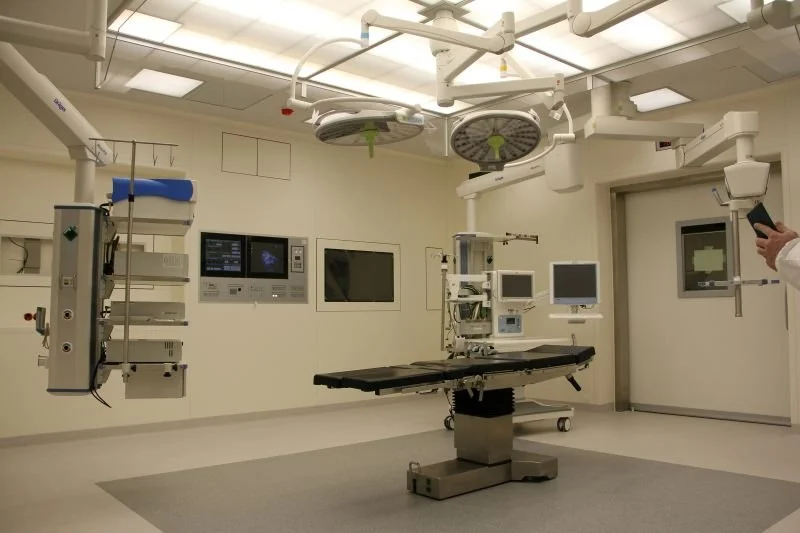
Photo by Marcel Scholte on Unsplash
Western medicine is founded upon reductionismThe belief that any complex system can be broken down into smaller parts, including human behavior and bodies.18., the germ theory of disease, and a capitalist model.25, 26 Reductionism isolates physical factors of diseaseAn atypical condition of the human body that inhibits proper structure or function and results in symptoms for the patient.12, often overlooking the body’s interconnectedness, therefore leading to oversimplified and inadequate diagnoses and treatments, particularly for complex chronic diseasesA condition that lasts for over a year, requires consistent medical care, and limits a person’s ability to perform everyday activities.10.27, 28, 29, 30, 31 Additionally, the germ theory, a key concept in Western medicineThe primary healthcare system in the US, also known as allopathic medicine, biomedicine, or conventional medicine.19, attributes diseaseAn atypical condition of the human body that inhibits proper structure or function and results in symptoms for the patient.12 to external pathogens, which are then treated with medication or surgery.32 Overall, western medicine’s model often prioritizes profitable symptom management in the short term over health maintenance, disease prevention, and chronic diseaseA condition that lasts for over a year, requires consistent medical care, and limits a person’s ability to perform everyday activities.10 care.33
Q: What is complementary and alternative medicine (CAM)?
A: CAMA diverse group of medical systems, practices, and products outside of conventional medicine, often considered to be “Eastern medicine” or “non-mainstream.”11 is a group of diverse medical systems, practices, and products outside of Western medicineThe primary healthcare system in the US, also known as allopathic medicine, biomedicine, or conventional medicine.19.34 Complementary medicine is a combination of non-mainstream practices along with conventional treatments, whereas alternative medicine relies solely on non-mainstream approaches.35 CAM utilizes a holistic approach, examining interrelated physical, mental, emotional, spiritual, social, and environmental factors when treating diseaseAn atypical condition of the human body that inhibits proper structure or function and results in symptoms for the patient.12.36 CAMA diverse group of medical systems, practices, and products outside of conventional medicine, often considered to be “Eastern medicine” or “non-mainstream.”11 treatments focus on stimulating the body’s natural healing processes by promoting lifestyle changes such as avoiding specific environments, using relaxation techniques, and developing new thinking patterns.37
Unlike Western medicineThe primary healthcare system in the US, also known as allopathic medicine, biomedicine, or conventional medicine.19, which targets symptom relief, CAMA diverse group of medical systems, practices, and products outside of conventional medicine, often considered to be “Eastern medicine” or “non-mainstream.”11 aims to address the root causes of illness and optimize health.38 It is process-oriented and individualized, often used to treat chronic conditions, including cancer, multiple sclerosis, diabetes, arthritis, and chronic pain.39 The National Center for Complementary and Integrative Health (NCCIH) classifies CAM into five categories: mind-body therapies such as yoga, tai chi, meditation, and biofeedback; biologically-based practices such as dietary supplements, special diets, vitamins, and herbs; manipulative and body-based practices such as chiropractic, massage therapy, and reflexology; energy healing such as reiki, acupunctureA treatment within traditional Chinese medicine where practitioners insert thin needles at specific places on the body to adjust the flow of life energy (known as chi) to relieve symptoms such as chronic pain, nausea, and vomiting.9, and therapeutic touch; and whole medical systems including traditional Chinese, Indian Ayurvedic, functional, and naturopathic medicines.40, 41, 42 In 2024, the National Health Interview Survey reported that the most frequently used CAMA diverse group of medical systems, practices, and products outside of conventional medicine, often considered to be “Eastern medicine” or “non-mainstream.”11 therapies include yoga, meditation, and chiropractic care.43
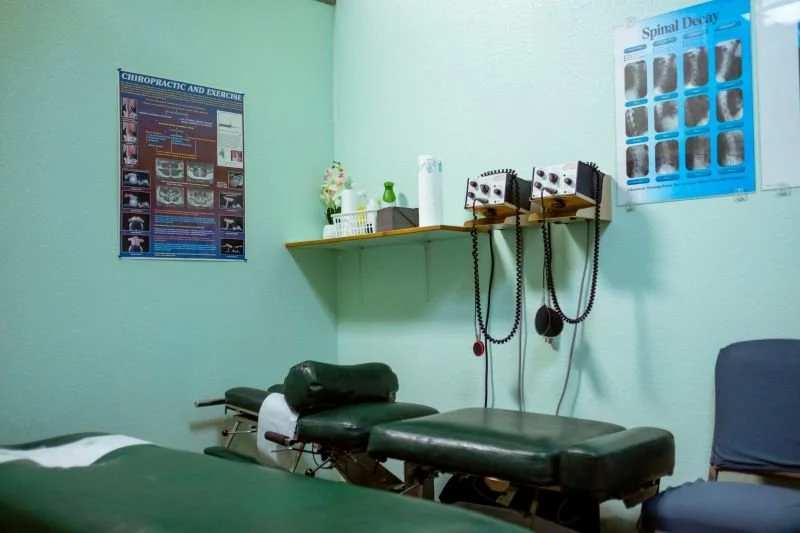
Photo by Kenny Eliason on Unsplash
There is no standardized system in the US for credentialing CAMA diverse group of medical systems, practices, and products outside of conventional medicine, often considered to be “Eastern medicine” or “non-mainstream.”11 practitioners because the disciplines vary widely by state and by practice.44 However, some state governments do set certification standards within specific CAM fields, including requirements that acupuncturists be licensed by the National Certification Commission for Acupuncture and Oriental Medicine.45, 46
Q: What is the history of CAM in the US?
A: The use of CAMA diverse group of medical systems, practices, and products outside of conventional medicine, often considered to be “Eastern medicine” or “non-mainstream.”11 therapies has gradually increased in the United States.47, 48 In 1998, 6% of hospitals in the United States reported offering CAM services, growing to 15% in 2001.49 Several cancer centers, including the University of Texas MD Anderson Cancer Center and the Dana-Farber Cancer Institute, began using CAM to complement traditional cancer treatments.50 Additionally, CAMA diverse group of medical systems, practices, and products outside of conventional medicine, often considered to be “Eastern medicine” or “non-mainstream.”11 use at the Mayo Clinic rose from 412 to 720 patients between 2007 and 2010, indicating a growing trend in CAM therapies.51 By 2022, 36.7% of American adults used at least one CAM treatment, of which 49.2% of them were seeking relief from pain, marking a 7% increase of those turning to CAMA diverse group of medical systems, practices, and products outside of conventional medicine, often considered to be “Eastern medicine” or “non-mainstream.”11 for pain management since 2002.52
Q: Who uses CAM and why?
A: Native American adults use CAMA diverse group of medical systems, practices, and products outside of conventional medicine, often considered to be “Eastern medicine” or “non-mainstream.”11 most frequently (about 50% of CAM users), followed by Caucasian adults (43%), Asian adults (39.9%), and African American adults (25.5%).53, 54 Studies show that CAMA diverse group of medical systems, practices, and products outside of conventional medicine, often considered to be “Eastern medicine” or “non-mainstream.”11 usage is prevalent among women and adults with higher incomes and levels of education.55 The National Health Interview Survey found that CAM is most frequently used by people with chronic, recurrent, or serious diseasesAn atypical condition of the human body that inhibits proper structure or function and results in symptoms for the patient.12 such as asthma, allergies, arthritis, and musculoskeletal pain.56 Among CAM users in England, more than 60% report chronic illnesses, with low back pain and gastrointestinal problems as their most common ailments.57 The 2012 National Health Interview Survey concluded that compared to adults with no conditions, adults with two or more conditions were more likely to use CAMA diverse group of medical systems, practices, and products outside of conventional medicine, often considered to be “Eastern medicine” or “non-mainstream.”11.58 For example, adults with multiple chronic conditions reported higher CAM use than those with one or no chronic conditions; over half used multivitamins or multiminerals (57.1%), vitamins (42.8%), minerals (37.5%), and nonvitamin or herbal therapies (22.0%). Two-thirds of patients with chronic illnesses—86 million adults—have used dietary supplements, often in combination with prescriptions or over-the-counter drugs.59, 60, 61
Adults in the US turn to CAMA diverse group of medical systems, practices, and products outside of conventional medicine, often considered to be “Eastern medicine” or “non-mainstream.”11 for several reasons, including cultural and environmental factors, a preference for holisticA medicinal practice that treats the whole person through the belief that bodily systems are interconnected.15 approaches, and the perceived simplicity of CAM compared to Western medicineThe primary healthcare system in the US, also known as allopathic medicine, biomedicine, or conventional medicine.19.62 Dissatisfaction with traditional healthcare due to issues such as over-prescribing drugs, ineffective treatments for chronic conditions, high costs, or lack of preventative care also drives many patients to seek CAM.63 Seventy-two percent of surveyed adults believe it is challenging to receive necessary care for chronic conditions in the American healthcare system; as a result, many adults turn to CAM for support.64 Many also look to CAMA diverse group of medical systems, practices, and products outside of conventional medicine, often considered to be “Eastern medicine” or “non-mainstream.”11 because it offers a promising alternative for patients suffering from chronic diseaseA condition that lasts for over a year, requires consistent medical care, and limits a person’s ability to perform everyday activities.10 when Western medicineThe primary healthcare system in the US, also known as allopathic medicine, biomedicine, or conventional medicine.19 cannot provide adequate support.65, 66, 67 For example, CAM is used among 70–90% of patients with arthritis and 50% with irritable bowel syndrome.68
According to the National Cancer Institute (NCI), CAM is also commonly used among cancer patients. In a 2017 study, over 83% of 450 cancer patients used at least one CAM therapy during cancer treatment.69 Similarly, a 2002 study found that more than 50% of cancer patients used CAM therapies in addition to conventional drug therapies.70 CAMA diverse group of medical systems, practices, and products outside of conventional medicine, often considered to be “Eastern medicine” or “non-mainstream.”11 is often used by cancer patients to: manage the side effects of cancer treatments, including nausea, pain, and fatigue; provide comfort during stressful times; and feel empowered to engage with their treatment process.71 In fact, a 2018 study on the MD Anderson Cancer Center’s Integrative Medicine Center outpatient clinic found that with issues such as hot flashes, fatigue, numbness, tingling, and nausea, patients experienced both short and long-term reductions in their symptoms when utilizing CAM.72
Both Western medicineThe primary healthcare system in the US, also known as allopathic medicine, biomedicine, or conventional medicine.19 and CAMA diverse group of medical systems, practices, and products outside of conventional medicine, often considered to be “Eastern medicine” or “non-mainstream.”11 lack lasting cures for autoimmune diseases, but forms of CAM, such as acupunctureA treatment within traditional Chinese medicine where practitioners insert thin needles at specific places on the body to adjust the flow of life energy (known as chi) to relieve symptoms such as chronic pain, nausea, and vomiting.9, can alleviate symptoms for patients with multiple sclerosis, rheumatoid arthritis, and inflammatory bowel disease.73 AcupunctureA treatment within traditional Chinese medicine where practitioners insert thin needles at specific places on the body to adjust the flow of life energy (known as chi) to relieve symptoms such as chronic pain, nausea, and vomiting.9 can also ease chronic lower back pain, reduce tension headaches, and prevent migraines.74
Q: What is the chronic disease crisis in America?
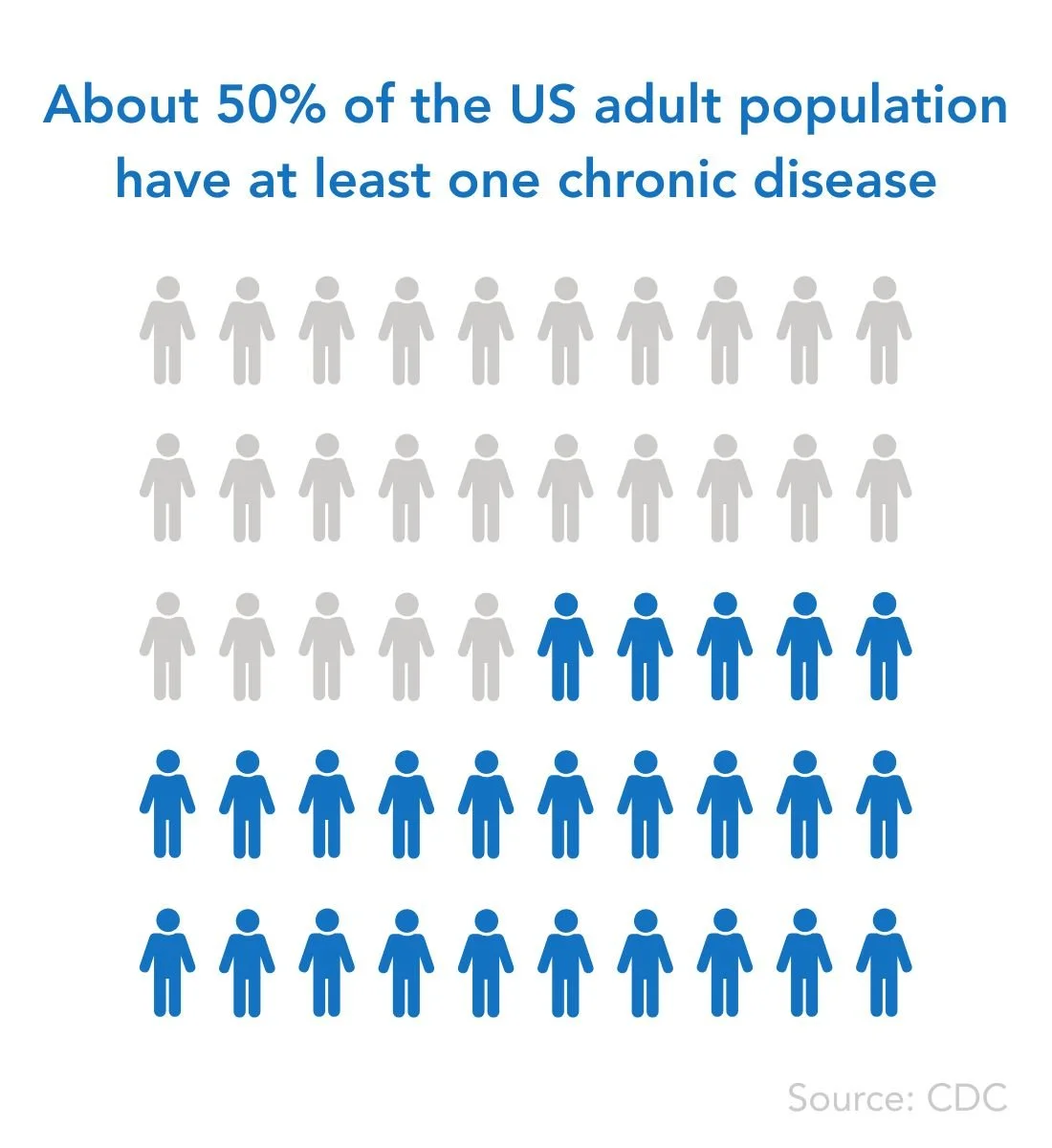
A: Throughout the twenty-first century, the prevalence of chronic diseasesA condition that lasts for over a year, requires consistent medical care, and limits a person’s ability to perform everyday activities.10 in the US has steadily increased and is expected to rise to 170 million by 2030.75, 76 Chronic diseases are the highest drivers in American medical expenses while causing the most illness, disability, and death.77 In February of 2024, the CDC announced that 129 million Americans, or almost 50% of the adult population, suffer from at least one major chronic disease.78 More than 42% of people in the US have multiple chronic conditions; 12% have at least 5.79 By 2030, trends indicate that five of the top ten causes of death in the US will result from chronic diseasesA condition that lasts for over a year, requires consistent medical care, and limits a person’s ability to perform everyday activities.10.80 Chronic disease care accounts for 86% of annual healthcare costs, totaling over $4.9 trillion.81, 82 Each year in the US, 1.8 million people are diagnosed with cancer.83 In total, across the nation, the cost of cancer care is expected to reach over $240 billion by 2030.84
The prevalence of chronic diseasesA condition that lasts for over a year, requires consistent medical care, and limits a person’s ability to perform everyday activities.10 has grown since the 1950s, but clinical literature and medical education have been more focused on acute diseasesAn atypical condition of the human body that inhibits proper structure or function and results in symptoms for the patient.12.85 Improving chronic disease prevention efforts in the US healthcare system could save one million lives per year and would result in significant cost savings.86, 87 For example, increasing the colorectal cancer screening rate to 70% could reduce Medicare spending by $14 billion in 2050.88
Meeting the needs of adults with chronic conditions is one of the largest issues that the US healthcare system faces.89 A 2004 study concluded that most general care practitioners have chronically ill patients who could benefit from integrative medicinesA medical approach that combines conventional medicine with CAM in a coordinated effort. Integrative medicine values individualized, holistic, healing-oriented care and addresses all areas of health and well-being.16.90 Patients have inadequate access to chronic disease support and experience poor quality of care at high costs.91 As a result, patients suffering complex chronic illnesses such as diabetes, heart failure, and depression require care from several medical providers in multiple settings.92
Q: What does integration between Western Medicine and CAM look like in the US?
A: Integration between Western medicineThe primary healthcare system in the US, also known as allopathic medicine, biomedicine, or conventional medicine.19 and CAMA diverse group of medical systems, practices, and products outside of conventional medicine, often considered to be “Eastern medicine” or “non-mainstream.”11 in the US requires a multifaceted approach that combines Western medicine and CAM in a safe, scientifically proven, effective, and coordinated way.93, 94 This integrated approach is patient-centered, focusing on diagnosing and treating a person as a whole rather than as isolated body systems.95 Integrative medicineA medical approach that combines conventional medicine with CAM in a coordinated effort. Integrative medicine values individualized, holistic, healing-oriented care and addresses all areas of health and well-being.16 encourages multimodal treatments where two or more practices are combined; for example, medication and physical therapy could be paired with acupunctureA treatment within traditional Chinese medicine where practitioners insert thin needles at specific places on the body to adjust the flow of life energy (known as chi) to relieve symptoms such as chronic pain, nausea, and vomiting.9, yoga, and dietary supplements.96 This approach may include an integrated team of medical practitioners, including physicians, chiropractors, psychotherapists, acupuncturists, Chinese herbal therapists, tai chi practitioners, yoga practitioners, massage therapists, and nutritionists. These specialists would work together to design individualized care plans and communicate regularly about medical records and progress with patients and practitioners.97, 98, 99, 100, 101
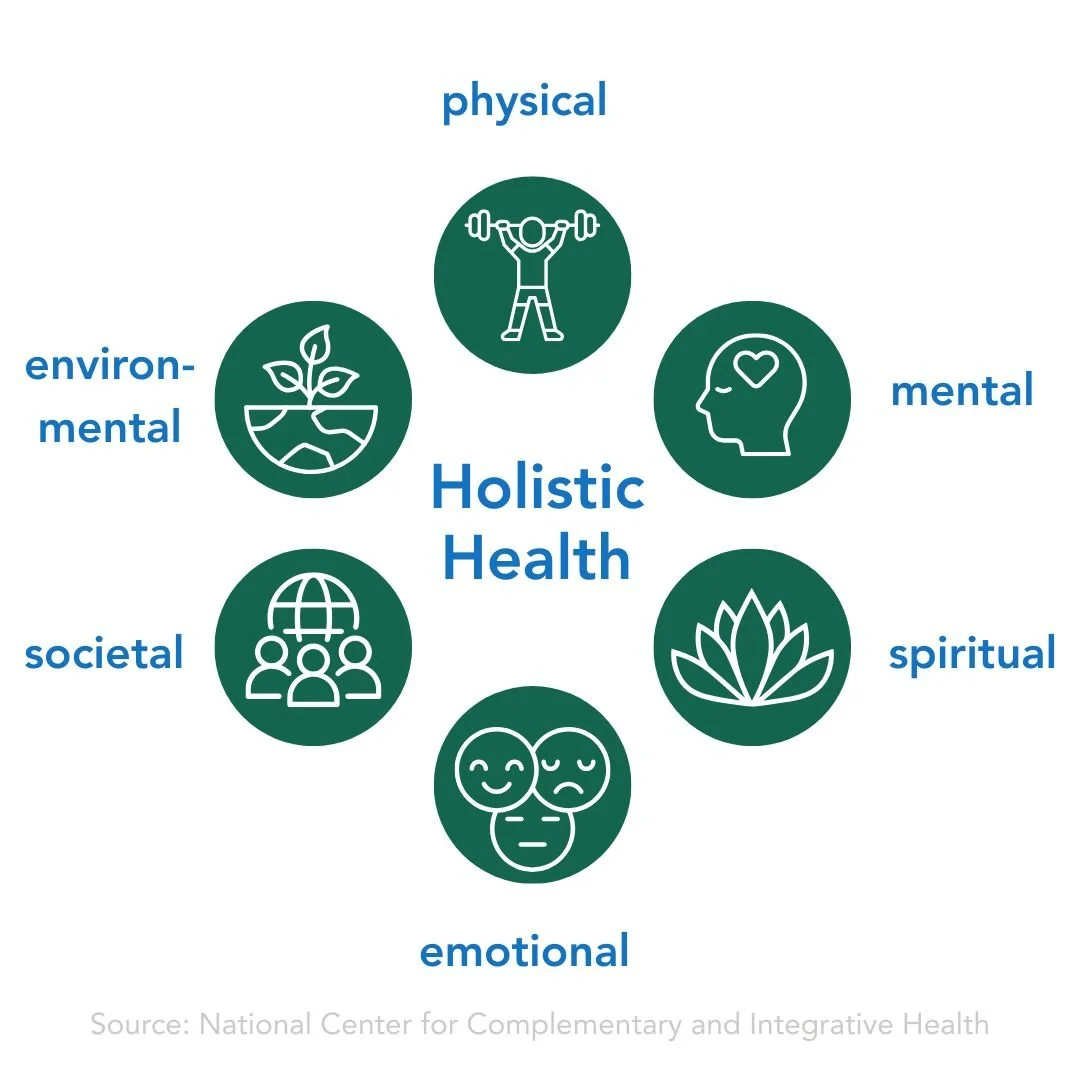
In practice, integration occurs at various levels of the healthcare system—from individual providers and hospitals to government policymaking bodies.102, 103, 104, 105 Extensive content analysis identified four core aspects for the framework and application of integrative healthcare: philosophy and values, structure, process, and outcomes.106 Systematic challenges to integration remain, including the need for expanded insurance coverage of CAM therapies and a shift in financial incentives to prioritize healthComplete physical, social, and mental wellness of an individual.14 and disease prevention over treatment alone.107, 108 Since Western medicineThe primary healthcare system in the US, also known as allopathic medicine, biomedicine, or conventional medicine.19 and CAMA diverse group of medical systems, practices, and products outside of conventional medicine, often considered to be “Eastern medicine” or “non-mainstream.”11 have differing approaches to healthcare, successful integration requires a true paradigm shift in medical education, fostering a more open-minded perspective and eliminating unnecessary biases and tensions.109 Extensive medical training for healthcare providers in integrative approaches is necessary to understand the benefits of each and utilize both in a cohesive manner.110
Q: Why would integrating Western medicine and CAM help adults in the US?
A: Combining Western medicineThe primary healthcare system in the US, also known as allopathic medicine, biomedicine, or conventional medicine.19 and CAMA diverse group of medical systems, practices, and products outside of conventional medicine, often considered to be “Eastern medicine” or “non-mainstream.”11 benefits both healthy and ill adults in the US by enhancing the quality of patient care, increasing patient satisfaction, improving symptom management, and lowering healthcare costs.111, 112, 113, 114 Studies have illustrated that integrative medicineA medical approach that combines conventional medicine with CAM in a coordinated effort. Integrative medicine values individualized, holistic, healing-oriented care and addresses all areas of health and well-being.16 can provide relief for a variety of medical conditions including autoimmune diseases, acute and chronic pain, breathing disorders, headaches and migraines, cancer and its side effects, chronic fatigue, cold and flu symptoms, digestive disorders, infertility, menopausal symptoms, menstrual issues, mental and emotional health issues, obesity, high blood pressure, and sleep issues.115
Integrative programs are most likely to benefit those suffering from chronic illnesses.116 One of the most extensive clinical studies on the integration of Western medicineThe primary healthcare system in the US, also known as allopathic medicine, biomedicine, or conventional medicine.19 with CAMA diverse group of medical systems, practices, and products outside of conventional medicine, often considered to be “Eastern medicine” or “non-mainstream.”11 provides strong evidence for these benefits.117 This study was conducted in China for patients with coronary artery disease, which is the leading cause of death worldwide, and the condition that causes one-third of deaths in all individuals older than thirty-five.118, 119 The patients whose treatments combined conventional medications with CAM therapies experienced fewer adverse cardiovascular events and milder clinical symptoms within one year, compared to those using Western medicineThe primary healthcare system in the US, also known as allopathic medicine, biomedicine, or conventional medicine.19 alone.120 Similarly, US-based studies have reported positive outcomes from an integrated approach. For example, a major hospital in California reported substantial improvements in symptoms and overall health perception from the integrative clinic.121
Integrative medicineA medical approach that combines conventional medicine with CAM in a coordinated effort. Integrative medicine values individualized, holistic, healing-oriented care and addresses all areas of health and well-being.16 has also benefited patients with cancer. A 2018 study of over 230 cancer patients found that patients utilizing an integrative medical consultation service were less stressed, more empowered to participate in their care plan, and better able to cope with diagnoses.122 That same year, an additional study of almost 500 patients with breast or gynecological cancer revealed that those utilizing integrative medical care reported greater symptom improvements with energy, cognitive and emotional function, sleep, pain, and overall health.123
Furthermore, integrative medicineA medical approach that combines conventional medicine with CAM in a coordinated effort. Integrative medicine values individualized, holistic, healing-oriented care and addresses all areas of health and well-being.16 enhances patient satisfaction, reduces suffering, and decreases healthcare costs. In 2018, eighty-five patients from the integrative medical clinic at the University of Michigan reported a positive experience with their care, noting that integrative care plans and regimens led to improvements in symptoms, the diseaseAn atypical condition of the human body that inhibits proper structure or function and results in symptoms for the patient.12, mental and emotional well-being, and a sense of control over the healing process.124 Likewise, a 2018 Texas study reported that patients receiving integrative medicineA medical approach that combines conventional medicine with CAM in a coordinated effort. Integrative medicine values individualized, holistic, healing-oriented care and addresses all areas of health and well-being.16 experienced lower pain levels and a 4% reduction in hospital expenditures.125
Contributing Factors
Communication Barriers
Communication barriers in both patient-physician and physician-physician interactions contribute to the lack of integration between Western medicineThe primary healthcare system in the US, also known as allopathic medicine, biomedicine, or conventional medicine.19 and CAMA diverse group of medical systems, practices, and products outside of conventional medicine, often considered to be “Eastern medicine” or “non-mainstream.”11. These barriers stem from both patients and physicians failing to disclose information about CAM usage.126
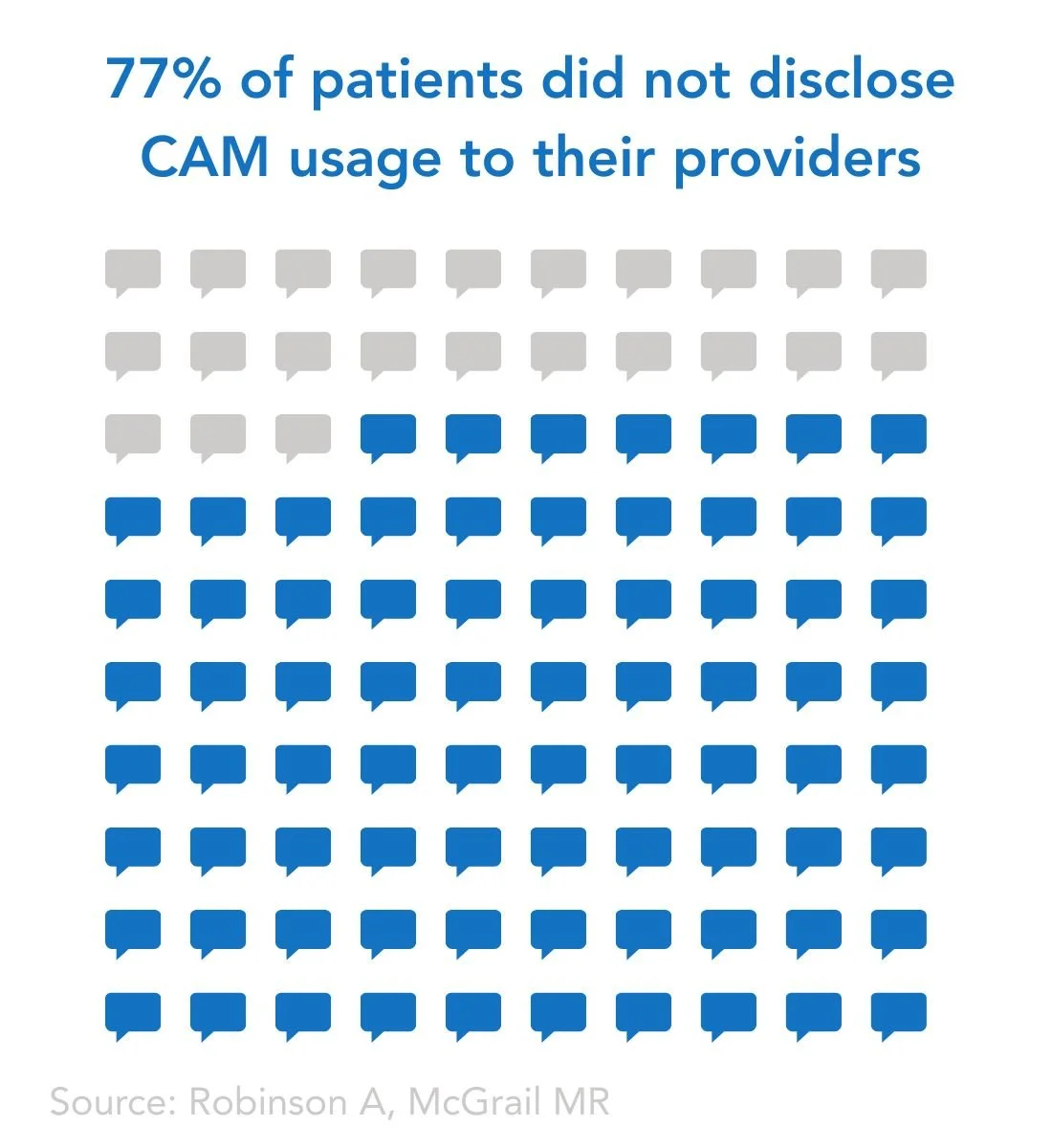
In one comprehensive study from 2004, 77% of patients did not disclose CAMA diverse group of medical systems, practices, and products outside of conventional medicine, often considered to be “Eastern medicine” or “non-mainstream.”11 usage to their providers.127 Patients reported three main reasons for nondisclosure: the fear of negative responses from allopathic doctors, the belief that the doctor did not need to know, and the lack of inquiry from the doctor.128 Furthermore, when physicians responded negatively to patients disclosing CAM use, the patients were less likely to discuss it in the future.129 A 2010 study confirmed this theory, finding that over 40% of CAM users rarely voluntarily disclosed their CAMA diverse group of medical systems, practices, and products outside of conventional medicine, often considered to be “Eastern medicine” or “non-mainstream.”11 usage to their practitioner. This lack of disclosure stemmed from a perceived sense of disapproval, which hindered effective communication with physicians and limited the possibility of integrative care.130
Communication problems are also rooted in the physicians’ failure to discuss alternative treatments with patients. Research involving female patients revealed that over 60% of respondents reported their allopathic physician never inquired about their complementary therapies.131 Similarly, a 2004 study revealed that less than half (37%) of pediatricians asked patients about CAM use during their typical medical review.132 A physician’s knowledge of complementary and alternative medicineA diverse group of medical systems, practices, and products outside of conventional medicine, often considered to be “Eastern medicine” or “non-mainstream.”11, belief in its safety and efficacy, and comfort in discussing these treatments with patients influenced the extent to which the doctor addressed CAM use during consultations.133 Approximately 84% of physicians claimed they needed to learn more about CAM so they could better communicate with their patients about these alternative therapies.134, 135
Insufficient discourse between Western physicians and CAMA diverse group of medical systems, practices, and products outside of conventional medicine, often considered to be “Eastern medicine” or “non-mainstream.”11 practitioners limits information exchange that is critical to successful integration.136 A 2018 Australian study found very little evidence of medical professionals referring patients to or collaborating with CAM practitioners.137 These challenges in communication arose from professional expectations, limited time, and a lack of CAMA diverse group of medical systems, practices, and products outside of conventional medicine, often considered to be “Eastern medicine” or “non-mainstream.”11 knowledge.138, 139 Integrative medicineA medical approach that combines conventional medicine with CAM in a coordinated effort. Integrative medicine values individualized, holistic, healing-oriented care and addresses all areas of health and well-being.16 relies on both parties collaborating by sharing medical records and health history.140
Nondisclosure or partial disclosure poses a serious medical threat to integrative therapies.141 Without proper communication, patients are at risk of adverse effects or drug interactions with CAMA diverse group of medical systems, practices, and products outside of conventional medicine, often considered to be “Eastern medicine” or “non-mainstream.”11 use.142 The medical practitioner, often the first healthcare professional that a patient contacts, is best equipped to provide optimal care when fully informed of the patient’s health history, enabling them to understand any potential concerns and address them effectively.143
Differing Approaches to Healthcare
Western medicineThe primary healthcare system in the US, also known as allopathic medicine, biomedicine, or conventional medicine.19 follows an evidence-based, systematic, and generalized approach to healthcare, relying on the scientific method and a reductionist approach to diagnose and treat symptoms of diseaseAn atypical condition of the human body that inhibits proper structure or function and results in symptoms for the patient.12.144 Although typically a slower approach to healthcare, CAMA diverse group of medical systems, practices, and products outside of conventional medicine, often considered to be “Eastern medicine” or “non-mainstream.”11 is holistic, focusing on imbalances within the body’s energy systems. It utilizes a variety of practices and products to identify the root cause of disease, treating the body as a whole.145, 146 CAM considers patient-reported results, while Western medicine relies on immediate, measurable outcomes in clinical studies.147, 148 These contrasting views make it challenging to evaluate CAMA diverse group of medical systems, practices, and products outside of conventional medicine, often considered to be “Eastern medicine” or “non-mainstream.”11 within Western medical frameworks, as conventional standards for disease diagnosis, treatment, and evaluation are unequipped to account for CAM’s holistic principles and individualized care.149

Photo by Katherine Hanlon on Unsplash
The clash of clinical cultures, particularly in vocabulary, prevents integration due to a lack of commonality in the conceptual frameworks of healthcare and clinical vocabularies, which impedes effective communication among physicians.150 For example, acupuncturists use the term “chi” to describe energy flow in the body, but the term has no counterpart in Western medicineThe primary healthcare system in the US, also known as allopathic medicine, biomedicine, or conventional medicine.19. Similarly, “magnetic resonance spectroscopy” may be unfamiliar and impractical to a practitioner of Ayurvedic medicine.151 Furthermore, Western diagnostic practices such as advanced technological imaging and lab tests differ from CAMA diverse group of medical systems, practices, and products outside of conventional medicine, often considered to be “Eastern medicine” or “non-mainstream.”11 diagnostic practices such as pulse analysis or tongue inspection.152, 153
In the Western medical system, a physician asks a series of questions about the pain’s severity, location, start date, as well as family medical history.154, 155 The doctor may perform a physical exam, imaging, or other tests such as an MRI, X-ray, CAT scan, bone scan, or blood tests to determine if an infection or other disorder could be contributing to the pain.156, 157 Conventional treatments include anti-inflammatory medications, over-the-counter pain relievers, topical pain relievers, antidepressants, muscle relaxants, cortisone injections, exercise recommendations, or surgery.158, 159 However, in CAMA diverse group of medical systems, practices, and products outside of conventional medicine, often considered to be “Eastern medicine” or “non-mainstream.”11, symptoms are viewed as signals of internal imbalances within the body’s natural flow of energy.160 Thus, pain could be considered a secondary issue, not the root cause of the diseaseAn atypical condition of the human body that inhibits proper structure or function and results in symptoms for the patient.12.161 For Western physicians, this approach holds little merit and stands on zero scientific ground.162 The differences in approach make it challenging to combine the two.
Skepticism
Western skepticism of the safety and effectiveness of CAMA diverse group of medical systems, practices, and products outside of conventional medicine, often considered to be “Eastern medicine” or “non-mainstream.”11 and vice versa contributes to the lack of integration between the two medical spheres.163 Allopathic physicians are wary of CAM because of inconsistent or incomplete scientific proof; CAM practitioners are skeptical of the effectiveness of Western medicineThe primary healthcare system in the US, also known as allopathic medicine, biomedicine, or conventional medicine.19 in curing diseaseAn atypical condition of the human body that inhibits proper structure or function and results in symptoms for the patient.12.164, 165 Patients also express skepticism for both Western medicineThe primary healthcare system in the US, also known as allopathic medicine, biomedicine, or conventional medicine.19 and CAMA diverse group of medical systems, practices, and products outside of conventional medicine, often considered to be “Eastern medicine” or “non-mainstream.”11. The lack of education and training on both sides fuels divisions that prevent integration between the medical spheres.
Since CAMA diverse group of medical systems, practices, and products outside of conventional medicine, often considered to be “Eastern medicine” or “non-mainstream.”11 is often evaluated on personal anecdotes or direct experiences, there are fewer high-quality double-blind controlled studies on the safety and effectiveness of CAM compared to Western medical studies.166, 167 Reliable, timely, and evidence-based research publications about CAM and integrative health are not widely accessible.168 As a result, Western physicians are skeptical of the proven safety and benefits of CAM.169, 170 In a 2006 survey of Mayo Clinic physicians, 70% of respondents believe that CAMA diverse group of medical systems, practices, and products outside of conventional medicine, often considered to be “Eastern medicine” or “non-mainstream.”11 practices in the United States threaten the healthComplete physical, social, and mental wellness of an individual.14 of the public.171
One poll from 2007 found that recurring skepticism results not from a lack of scientific evidence but rather from the perception of this evidence.172 A single report of adverse outcomes associated with CAMA diverse group of medical systems, practices, and products outside of conventional medicine, often considered to be “Eastern medicine” or “non-mainstream.”11 treatments can quickly alter a physician’s perception of CAM and integrative medicine.173 For example, many skeptical Western physicians point to reported cases of cervical complications from chiropractic manipulation to discourage integration.174 CAM practitioners share these concerns—a survey found that within the CAMA diverse group of medical systems, practices, and products outside of conventional medicine, often considered to be “Eastern medicine” or “non-mainstream.”11 community, many believed that the attitudes and beliefs of Western medical physicians posed a more significant barrier to integration than economic or scientific concerns.175
Moreover, journals that publish the majority of new information about CAMA diverse group of medical systems, practices, and products outside of conventional medicine, often considered to be “Eastern medicine” or “non-mainstream.”11 may be under-subscribed by medical libraries.176 Western physicians may struggle with CAM due to a lack of guidance on finding reliable sources and assessing evidence, as well as a shortage of experts to consult for support.177 CAM energy therapies such as Reiki are often used to treat asthma, cancer, and chronic pain. However, because the existence of energy fields within the body remains scientifically unproven, Western medicineThe primary healthcare system in the US, also known as allopathic medicine, biomedicine, or conventional medicine.19 tends to be skeptical of CAM treatments.178 Without the scientific support for CAMA diverse group of medical systems, practices, and products outside of conventional medicine, often considered to be “Eastern medicine” or “non-mainstream.”11, Western physicians infrequently refer patients to see CAM practitioners, thus exacerbating the lack of integration.179, 180, 181 In a 2006 study, 75% of 233 physicians had not referred a patient to a CAM practitioner.182
Doubts about safety, efficacy, and the ability to address root causes fuel skepticism among medical professionals, CAMA diverse group of medical systems, practices, and products outside of conventional medicine, often considered to be “Eastern medicine” or “non-mainstream.”11 practitioners, and patients, reinforcing the persistent divide between conventional medicine and CAM. For example, many CAMA diverse group of medical systems, practices, and products outside of conventional medicine, often considered to be “Eastern medicine” or “non-mainstream.”11 treatments and supplements are not evaluated for safety and efficacy.183 Compared to conventional drugs, herbal supplements do not undergo rigorous clinical testing because of the US Dietary Supplement Health and Education Act.184 As a result, many medical professionals hesitate to recommend herbal treatments due to doubts about their safety and effectiveness. On the other hand, CAM practitioners are skeptical of Western medicineThe primary healthcare system in the US, also known as allopathic medicine, biomedicine, or conventional medicine.19 because the evidence-based approach may fail to address the root causes of illness.185 A 2014 study found that CAMA diverse group of medical systems, practices, and products outside of conventional medicine, often considered to be “Eastern medicine” or “non-mainstream.”11 practitioners view prescription medications as a temporary relief yet fail to cure disease effectively.186 Their perception of prescriptions is also reflected in other studies, including one from the US Food and Drug Administration; between January 2017 and September 2019, 85.1% of pharmaceutical drug recalls were due to product quality concerns.187 CAM practitioners often share the skepticism of Western medicineThe primary healthcare system in the US, also known as allopathic medicine, biomedicine, or conventional medicine.19, which contributes to their reluctance to support integration. Patients are occasionally doubtful about CAMA diverse group of medical systems, practices, and products outside of conventional medicine, often considered to be “Eastern medicine” or “non-mainstream.”11 because its benefits can be difficult to evaluate, as improvements tend to be gradual and less immediate compared to Western medicines and therapies.188 The expectation for immediate results can make patients skeptical of CAM and reluctant to support integrative medicine.189, 190 A 2008 cross-sectional data study of patients suffering chronic illnesses such as rheumatoid arthritis and fibromyalgia found that skepticism of conventional medicine increased the probability of CAMA diverse group of medical systems, practices, and products outside of conventional medicine, often considered to be “Eastern medicine” or “non-mainstream.”11 usage by about 70%.191 Patients experience skepticism toward both medical spheres, contributing to the continued divide.
Lack of Education
The lack of integration between Western medicineThe primary healthcare system in the US, also known as allopathic medicine, biomedicine, or conventional medicine.19 and CAMA diverse group of medical systems, practices, and products outside of conventional medicine, often considered to be “Eastern medicine” or “non-mainstream.”11 is also a result of insufficient formal education and proper training in both spheres of medicine.192 In a 2010 study surveying 164 medical professionals, 76% were poorly informed about herbal medicines, and 46.6% lacked knowledge on the topic.193 A 2022 systematic review found that less than 33% of the medical doctors were able to answer questions about CAM.194 In the US, there are two systems of education and clinical care: conventional and CAM.195 Most CAMA diverse group of medical systems, practices, and products outside of conventional medicine, often considered to be “Eastern medicine” or “non-mainstream.”11 programs offer limited training and research in pharmacology, biochemistry, and psychology.196 Similarly, most allopathic medical programs provide limited training in CAM or integrative medicine. However, there is a deficiency in the content of CAMA diverse group of medical systems, practices, and products outside of conventional medicine, often considered to be “Eastern medicine” or “non-mainstream.”11 education within Western medical schools.197, 198, 199, 200 According to a 2015 study, there is no evidence of any CAM instruction at nearly half (45%) of the medical schools in the United States.201 Those with reported CAM offerings provided elective courses.202 Without a national standardized curriculum at the undergraduate, graduate, or postgraduate levels, professionals are unable to communicate with patients about CAMA diverse group of medical systems, practices, and products outside of conventional medicine, often considered to be “Eastern medicine” or “non-mainstream.”11 effectively.203 According to a 2006 study, 9 of 77 (12%) of pharmacy colleges include pharmacognosy—the study of drugs obtained from plants and natural substances—as a course in their curriculum.204 Consequently, pharmacists are unprepared to respond to patients’ questions about CAM supplements, thereby limiting potential crossover. Few opportunities exist in the US for the necessary education on CAMA diverse group of medical systems, practices, and products outside of conventional medicine, often considered to be “Eastern medicine” or “non-mainstream.”11 values, research, and practices, limiting the development of successful integrative medicine.205
Negative Consequences
Financial Burden
The lack of integration between Western medicineThe primary healthcare system in the US, also known as allopathic medicine, biomedicine, or conventional medicine.19 and CAMA diverse group of medical systems, practices, and products outside of conventional medicine, often considered to be “Eastern medicine” or “non-mainstream.”11 puts a substantial financial burden on patients and the US healthcare system.206 Although CAM is gaining popularity among American adults and is legally recognized, it is not widely covered by health insurance.207, 208 Medicare and most private insurance companies classify CAM as an “add-on” or a second-tier service. To put this into context, in 2012, about 59 million Americans used CAM and spent $30.2 billion in out-of-pocket expenses due to a lack of insurance coverage.209
Between 2002–2008, CAMA diverse group of medical systems, practices, and products outside of conventional medicine, often considered to be “Eastern medicine” or “non-mainstream.”11 spending in the US was approximately $9 billion each year, equivalent to 3% of the nation’s outpatient healthcare expenditures.210 In 2007, Americans spent a total of $22 billion out-of-pocket on CAM natural products and $14.8 billion on dietary supplements, accounting for one-third of the out-of-pocket spending for prescription medications.211 Additionally, adults spent $11.9 billion on an estimated 354 million visits to CAM practitioners such as acupuncturists, massage therapists, and chiropractors.212 According to Statista, US spending on CAMA diverse group of medical systems, practices, and products outside of conventional medicine, often considered to be “Eastern medicine” or “non-mainstream.”11 exceeded $28 billion in 2023 and is predicted to hit roughly $229 billion by 2033.213
For Western medicineThe primary healthcare system in the US, also known as allopathic medicine, biomedicine, or conventional medicine.19, costs are also exceptionally high. Based on the 2008 National Medical Expenditure Panel Survey, it is estimated that the out-of-pocket costs of conventional care for US adults with pain were between $44 and $51 billion annually.214
Incomplete and Insufficient Patient Care
Healthcare in the US is fragmentedA systemic overspecialization and lack of coordination that leads to inefficient performance and allocation of resources.13, meaning patients see multiple physicians for medical care in various settings who do not work together effectively.215 For instance, in 2019, thirty-five percent of Medicare beneficiaries saw five or more physicians.216 Each year, approximately one in three adults is referred to a specialist.217 Although meeting with multiple physicians may be helpful, uncoordinated care from a fragmented network can lead to medical mistakes, unnecessary visits, avoidable hospitalizations, and insufficient care without proper collaboration and sharing of patient information.218
When physicians observe parts of the system disconnected from the whole, it becomes more challenging to identify incremental actions that could contribute to broader improvements.219 As a result, fragmentationA systemic overspecialization and lack of coordination that leads to inefficient performance and allocation of resources.13 delays and prolongs the healing process, leading to late-stage disease diagnosis and treatment.220 A systematic review concluded that there is a significant association between healthcare fragmentation and its adverse effects on individuals with chronic illnesses, including increased emergency department visits and unnecessary hospital testing.221, 222 Despite the increase in hospital visits, Dartmouth Institute for Health Policy & Clinical Practice estimated in 2009 that 30–40% of all hospitalizations are avoidable.223
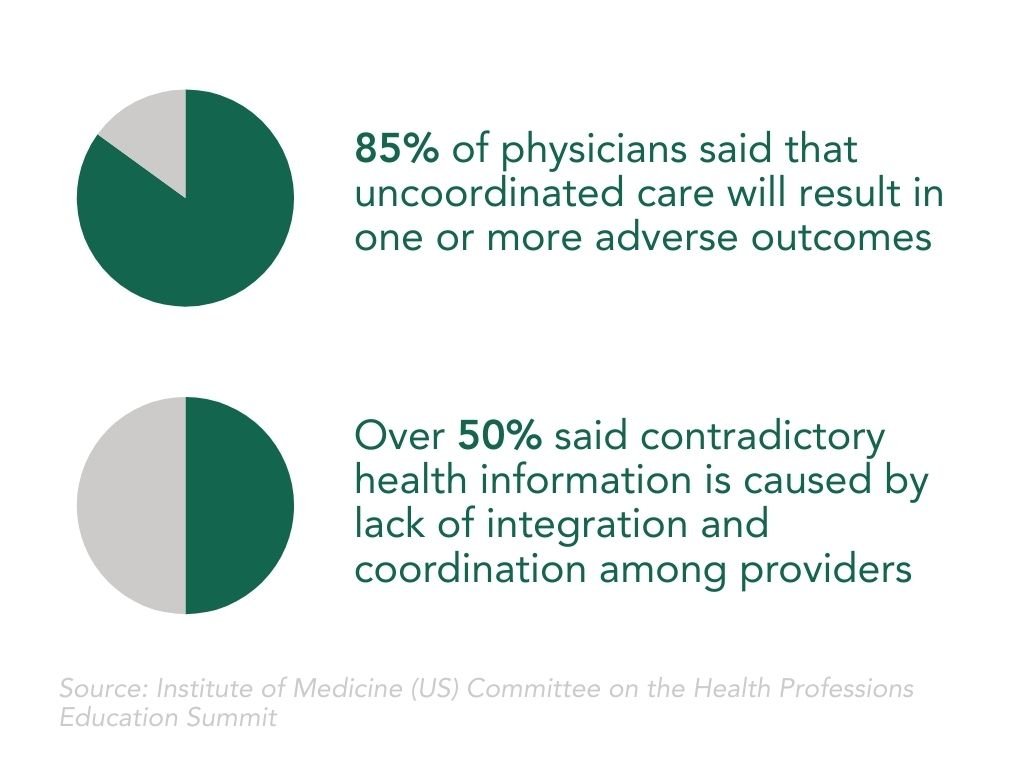
Without a complete understanding of patient care and treatments, physicians may overlook potential adverse effects, drug-supplement interactions, or critical health details, risking misdiagnosis or inappropriate treatment.224, 225 A 2003 survey found that 85% of physicians said that uncoordinated care will result in one or more adverse health outcomes.226 A 2002 study of primary care physicians also found that almost 60% of situations where data was missing resulted in delayed patient care.227 This issue is particularly concerning for patients with complex, chronic, or life-threatening conditions, where communication is essential.228 Gaps in care include missed screenings or vaccinations, neglecting to schedule proper follow-up appointments, improper medication adherence, inability to visit certain specialists, or incomplete medical record sharing among specialists.229 Any kind of gap in care is any interruption in a patient’s journey toward ideal healthComplete physical, social, and mental wellness of an individual.14.230 The risk of chronic conditions growing into more serious health concerns is amplified by healthcare gaps.231
Polypharmacy
The lack of integration between CAMA diverse group of medical systems, practices, and products outside of conventional medicine, often considered to be “Eastern medicine” or “non-mainstream.”11 and Western medicineThe primary healthcare system in the US, also known as allopathic medicine, biomedicine, or conventional medicine.19 fosters a fragmentedA systemic overspecialization and lack of coordination that leads to inefficient performance and allocation of resources.13 system that de-emphasizes relationships with physicians and over-emphasizes delivering commodities such as prescription medications that can be measured, incentivized, and bring in a profit.232 This issue is especially dangerous in situations where physicians can prescribe different medications that could interact or cause serious health risks.233, 234 A 2012 study analyzed a significant rise in pharmaceutical management of chronic illnesses, including type 2 diabetes and hypertension.235 Among studied patients, more than 50% were taking five or more medications.236 This heavy reliance on pharmaceuticals posed challenges to the patients’ well-being, with experiences of adverse health effects, including the prescribing cascade, where more medications were prescribed to control the side effects of already-prescribed medications.237, 238, 239 Due to the many side effects, polypharmacyWhen a patient is using five or more prescribed medications at once.17 can hinder, rather than improve, a patient’s healthComplete physical, social, and mental wellness of an individual.14 journey. A 2021 study of more than 540 chronically ill patients revealed that those experiencing polypharmacyWhen a patient is using five or more prescribed medications at once.17 reported lower physical health-related quality of life scores compared to those not taking multiple medications.240

Photo by Myriam Zilles on Unsplash
Despite spending nearly twice as much on healthcare, the United States has the lowest life expectancy, the highest suicide rates, twice the obesity rate, and the highest chronic diseaseA condition that lasts for over a year, requires consistent medical care, and limits a person’s ability to perform everyday activities.10 burden compared to eleven other high-income countries.241 Some, if not most, of these statistics can be attributed to the lack of integration between CAMA diverse group of medical systems, practices, and products outside of conventional medicine, often considered to be “Eastern medicine” or “non-mainstream.”11 and Western medicineThe primary healthcare system in the US, also known as allopathic medicine, biomedicine, or conventional medicine.19.
Practices
Integrated medical centers
One practice to help solve the lack of integration between Western medicineThe primary healthcare system in the US, also known as allopathic medicine, biomedicine, or conventional medicine.19 and CAMA diverse group of medical systems, practices, and products outside of conventional medicine, often considered to be “Eastern medicine” or “non-mainstream.”11 for treating adults in the United States is establishing integrated medical centers. Comprehensive medical centers provide patient-centered care that is evidence-based, cost-effective, and focused on preventing illness, accurately diagnosing chronic and acute illnesses, addressing whole-system determinants of diseaseAn atypical condition of the human body that inhibits proper structure or function and results in symptoms for the patient.12, coordinating testing, offering diverse and effective treatments, and evaluating care plans.242, 243, 244 Integrative care fosters collaboration among practitioners of diverse medical backgrounds, acknowledges the legitimacy of both Western medicineThe primary healthcare system in the US, also known as allopathic medicine, biomedicine, or conventional medicine.19 and CAM, and recommends treatment combinations supported by research.245

Photo by Los Muertos Crew on Pexels
Kaiser Permanente is one of the largest medical groups to combine Western medicineThe primary healthcare system in the US, also known as allopathic medicine, biomedicine, or conventional medicine.19 and CAMA diverse group of medical systems, practices, and products outside of conventional medicine, often considered to be “Eastern medicine” or “non-mainstream.”11 in practice nationwide.246, 247, 248 Kaiser Permanente developed a collaborative care model in primary care settings where healthcare professionals from different disciplines work as a team to ensure comprehensive and coordinated patient care.249 In this model, an integrated team of diverse clinicians addresses health behaviors, completes comprehensive clinical assessments to ensure valid diagnoses, manages symptoms, develops individualized and evidence-based treatment plans, treats chronic diseasesA condition that lasts for over a year, requires consistent medical care, and limits a person’s ability to perform everyday activities.10 using integrative therapies from conventional medicine and CAM, supports patients with their life stressors, and evaluates patterns of health for care optimization.250 Within the joint care model, Kaiser has adopted a holisticA medicinal practice that treats the whole person through the belief that bodily systems are interconnected.15 approach, shifting the medical paradigm to be patient-centered, cost-effective, and research-based.251 Kaiser Permanente’s collaborative care model transcends the limitations of both Western medicineThe primary healthcare system in the US, also known as allopathic medicine, biomedicine, or conventional medicine.19 and CAMA diverse group of medical systems, practices, and products outside of conventional medicine, often considered to be “Eastern medicine” or “non-mainstream.”11 by integrating a variety of treatment options aimed at achieving excellent healthComplete physical, social, and mental wellness of an individual.14, enhancing patient satisfaction and outcomes, and reducing costs.252 Integrative medical clinics provide Kaiser patients access to both conventional medical treatments and CAM services, including acupunctureA treatment within traditional Chinese medicine where practitioners insert thin needles at specific places on the body to adjust the flow of life energy (known as chi) to relieve symptoms such as chronic pain, nausea, and vomiting.9, naturopathy, massage therapy, yoga, herbal or vitamin supplements, and chiropractic care at integrative centers throughout the United States.253 Patients are referred to nonconventional medical practitioners within integrative centers. All chiropractic and CAMA diverse group of medical systems, practices, and products outside of conventional medicine, often considered to be “Eastern medicine” or “non-mainstream.”11 providers meet Kaiser Permanente's credentials as well as state or local requirements.254 Physicians work together and share medical records using a plan-wide electronic health record system.255
The collaborative care model empowers patients to be active participants as they partner with physicians to discuss symptoms and medical needs, understand the evidence that supports integrative therapies, assess risks and benefits, and find the best care plan options.256 For example, Kaiser Permanente merges Western medical treatments with CAM for cancer patients in an integrative oncology center to mitigate symptoms, treat side effects, prevent cancer recurrence, and improve the overall quality of life.257 Kaiser encourages cancer patients to use acupunctureA treatment within traditional Chinese medicine where practitioners insert thin needles at specific places on the body to adjust the flow of life energy (known as chi) to relieve symptoms such as chronic pain, nausea, and vomiting.9 to decrease pain and improve severe nausea from chemotherapy.258 Kaiser Permanente also provides patients with resources to become informed about the safety and effectiveness of integrative therapies online through FAQ pages.259, 260 Similarly, Kaiser urges patients to seek additional classes or groups to broaden their knowledge of healthComplete physical, social, and mental wellness of an individual.14, diseaseAn atypical condition of the human body that inhibits proper structure or function and results in symptoms for the patient.12, and wellness. The Kaiser Permanente insurance plans are described as “partnerships in health.”261 Most Kaiser plans cover a limited amount of CAMA diverse group of medical systems, practices, and products outside of conventional medicine, often considered to be “Eastern medicine” or “non-mainstream.”11 therapies and visits; however, Kaiser provides a ChooseHealthy discount program to help meet financial needs after exhausting the copay coverage limits.262 The vision of Kaiser is to integrate CAMA diverse group of medical systems, practices, and products outside of conventional medicine, often considered to be “Eastern medicine” or “non-mainstream.”11 into the American healthcare system to boost clinical outcomes.263, 264, 265 Kaiser Permanente recognizes the need for integrative training programs and interdisciplinary education to foster cooperation between academic centers, professional societies, and competent clinicians across disciplines.266 Kaiser intends to implement a rigorous post-graduate and residency training program for integrative medicineA medical approach that combines conventional medicine with CAM in a coordinated effort. Integrative medicine values individualized, holistic, healing-oriented care and addresses all areas of health and well-being.16 at the KP Oakland Medical Center in California. Overall, Kaiser seeks to expand the success of the Web-based Integrative Medicine in Residency program by scaling its integrative medical training curriculum to reach a wider audience.267, 268
Impact
Kaiser Permanente is the most extensive nonprofit integrated healthcare system in the US with over 9.6 million members.269 A cross-sectional analysis of data from over 560 surveyed adults at KP hospitals in California, Florida, Pennsylvania, and New Jersey from 2006 to 2007 found significantly better patient outcomes in integrated Kaiser hospitals compared to non-integrated medical groups.270 Integrative medicineA medical approach that combines conventional medicine with CAM in a coordinated effort. Integrative medicine values individualized, holistic, healing-oriented care and addresses all areas of health and well-being.16 leads to a more comprehensive and personalized treatment plan tailored to patients’ individual needs to improve health.271 Integrative programs are most likely to immediately benefit those suffering from chronic illnesses.272 Kaiser patients with chronic conditions can participate in group medical visits with a multidisciplinary care team.273 Those attending cooperative healthcare clinics had fewer hospitalizations and emergency visits, lower costs of care, better quality of life and ability to manage health, and higher satisfaction with their physician than usual-care patients.274
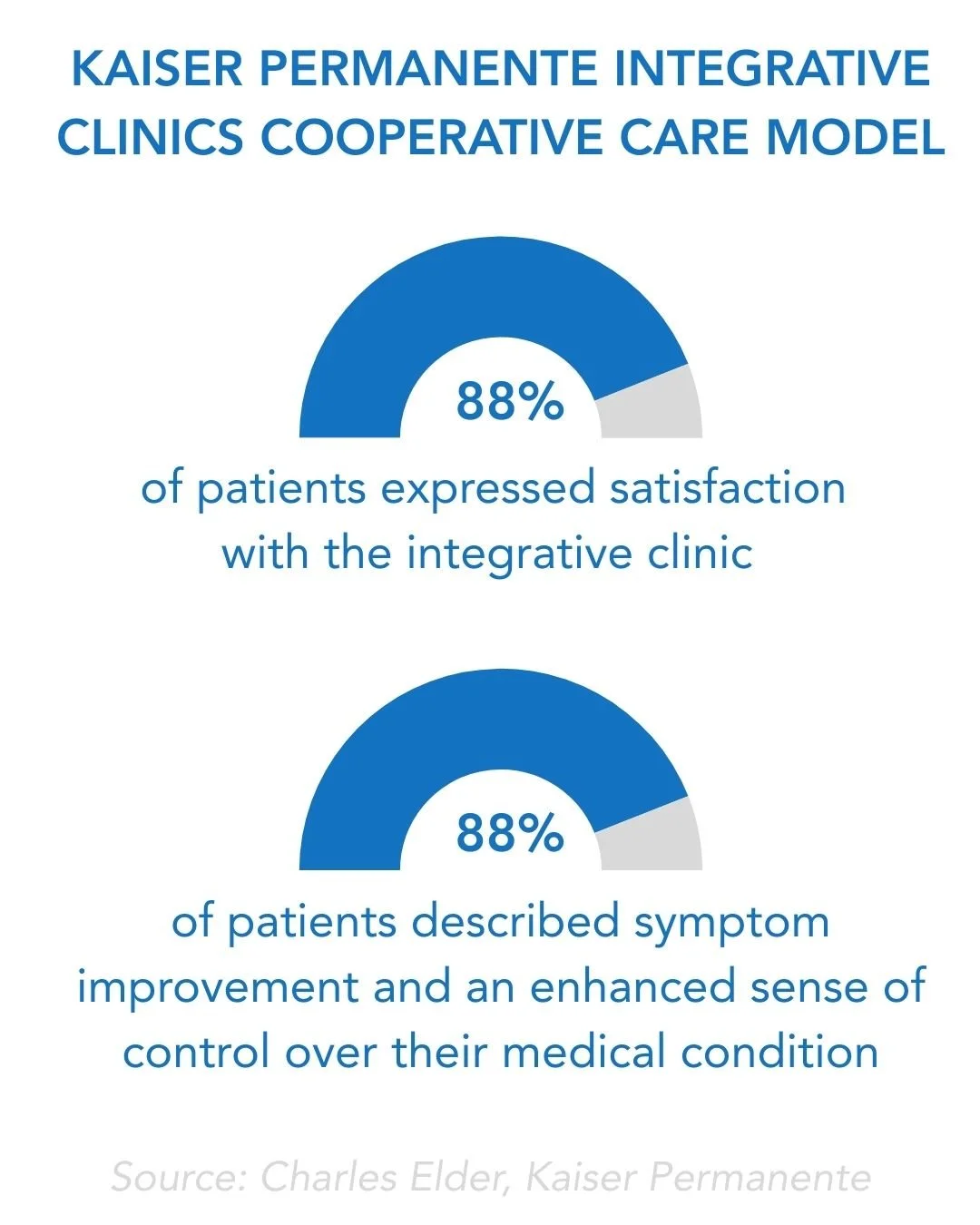
A 2003 survey studied the direct impact of Kaiser Permanente’s integrative clinics' cooperative care model.275 Within three years, the volume of referrals to the integrative clinic doubled.276 Eighty-eight percent of patients expressed satisfaction with the integrative clinic.277 Eighty-eight percent of patients seen for follow-up visits found the clinics helpful and described disease-specific symptom improvement, increased energy levels, and an enhanced sense of control over their medical condition.278 Both physicians and patients highlighted the essential value of the clinic.279
In 2004, the Northern California region of the Kaiser Permanente organization initiated a program called PHASE (Prevent Heart Attacks and Strokes Everyday) to consistently offer proven integrative prevention therapies for patients at risk for cardiovascular diseases, such as those with diabetes.280 The integrative interventions of medications and lifestyle adjustments resulted in improvements in patient care and outcomes.281 The prevalence of adult smoking declined from 12.2% to 9.2% from 2002 to 2005, which was more than twice the rate of improvement seen in the California population.282 Blood glucose control improved from 66% to 73% of diabetic patients.283 Cholesterol control improved from 50% to 63% of all PHASE patients from 2005 to 2008.284 Hospitalization rates declined by 30% for coronary heart disease, 56% for heart attack, and 20% for strokes from 1998 to 2007.285 As of 2004, Northern California Kaiser Permanente members had a 30% lower chance of dying from heart disease than other Californians.286
In 2007, the Northern California region collaborative care plan, which emphasized patient-physician communication, supported preventive care efforts. The breast cancer screening rate was 79% compared to the national rate of 69%.287 The holistic, integrated care model, which emphasizes accountability in coordinating and ensuring continuity of patient care, may contribute to Kaiser member loyalty. On average, California members remain enrolled for fourteen years, compared to four years with competitors.288
Kaiser’s integrated care model provides intensive case management for patients with severe chronic diseasesA condition that lasts for over a year, requires consistent medical care, and limits a person’s ability to perform everyday activities.10.289 Nurses provide education and support to help patients make lifestyle changes that reduce the long-term risk of future cardiac events. The Colorado region utilized this program with patients, nurses, pharmacists, primary care physicians, and clinical specialists.290 The relative risk of death for chronic diseaseA condition that lasts for over a year, requires consistent medical care, and limits a person’s ability to perform everyday activities.10 patients participating in integrative coordinated care decreased by 89%,291 and as a result of the integrated specialty care program, patients avoided an estimated 260 major cardiac events and 135 deaths per year.292
The Colorado region offers a care coordination program for patients with multiple chronic conditions.293 Care coordinators contact patients to assess needs, verify medications, coordinate services, and make referrals.294 The plan saved $4 million a year from decreased hospital readmissions and emergency department visits.295 Over 90% of physicians and 95% of patients expressed patient satisfaction with the program.296
In 2014, a literary analysis of Kaiser Permanente concluded that the holisticA medicinal practice that treats the whole person through the belief that bodily systems are interconnected.15 approach to healthcare delivery with integrated multidisciplinary care teams, management, and treatment was the main contributor to improving patient outcomes.297 A 2018 study examining Kaiser Permanente Northwest discovered that patients who combined standard medical care with chiropractic care experienced significant improvements in their pain and disability over three months.298 In another study on Kaiser Permanente Northwest, integrative care resulted in enhanced communication between medical doctors, acupuncturists, and chiropractors.299 Similarly, a 2020 study found that patients suffering from mental illness benefited from the collaborative care team at Kaiser.300 Sixty-two percent of patients saw symptom improvement, and 45% experienced remission of their depression at discharge, with additional improvements six months later.301
Gaps
Despite its dominant position in U.S. healthcare, Kaiser Permanente faces challenges in institutionalizing integrative care across large healthcare systems.302 While the collaborative care model has seen success, scaling Integrative medicineA medical approach that combines conventional medicine with CAM in a coordinated effort. integrative medicine values individualized, holistic, healing-oriented care and addresses all areas of health and well-being.16 requires new protocols, reorganized practices, additional resources, and systematic attention to patient needs.303, 304 Rigorous integrative training must become standard, including education on the selection, safety, efficacy, diagnostic use, and treatment of integrative interventions.305 For example, Kaiser must include background on the selection, safety, efficacy, diagnostic use, and treatment of integrative interventions according to standardized measurements.306, 307, 308
Effective integration is dependent on collaboration and communication among conventional providers, CAMA diverse group of medical systems, practices, and products outside of conventional medicine, often considered to be “Eastern medicine” or “non-mainstream.”11 practitioners, patients, and communities.309, 310 Conventional providers need familiarity with CAM practices and policies to make informed recommendations, while CAM practitioners must be comfortable engaging in medical discussions.311 Misalignment in expertise or philosophy can hinder coordinated care and reduce the effectiveness of integrative teams.312 Policy and insurance barriers further limit integration. CAMA diverse group of medical systems, practices, and products outside of conventional medicine, often considered to be “Eastern medicine” or “non-mainstream.”11 practitioners are often excluded from Medicare and other insurance coverage, and regulatory changes are needed to expand their formal roles within healthcare systems.313
Expert panelists also suggested various policy adjustments to address gaps in integrative medical care, beginning with the inclusion and hiring of licensed CAMA diverse group of medical systems, practices, and products outside of conventional medicine, often considered to be “Eastern medicine” or “non-mainstream.”11 professionals within healthcare systems.314, 315 More academic research is required, focusing on the effectiveness of CAM and integrative therapies in collaboration with Western medicineThe primary healthcare system in the US, also known as allopathic medicine, biomedicine, or conventional medicine.19.316 Successful integration will require the involvement of policymakers, insurers, and employers to expand the roles of CAM practitioners, along with education for conventional providers, CAM practitioners, and patients.317, 318 Kaiser must also depend on collaboration between Western and CAMA diverse group of medical systems, practices, and products outside of conventional medicine, often considered to be “Eastern medicine” or “non-mainstream.”11 professionals to advance shared goals of healing and wellness.319
Greater stakeholder engagement and clearly defined implementation roadmaps are necessary at all levels of healthcare integration.320 By fully embracing integration, the U.S. healthcare system can foster a unified model that prioritizes healing, prevention, and whole-person wellness.321
Preferred Citation: Burrill, Kaylee. “The Lack of Integration Between Western Medicine and Complementary and Alternative Medicine (CAM) When Treating Adults in the United States.” Ballard Brief. February 2026. www.ballardbrief.byu.edu.
Viewpoints published by Ballard Brief are not necessarily endorsed by BYU or The Church of Jesus Christ of Latter-day Saints